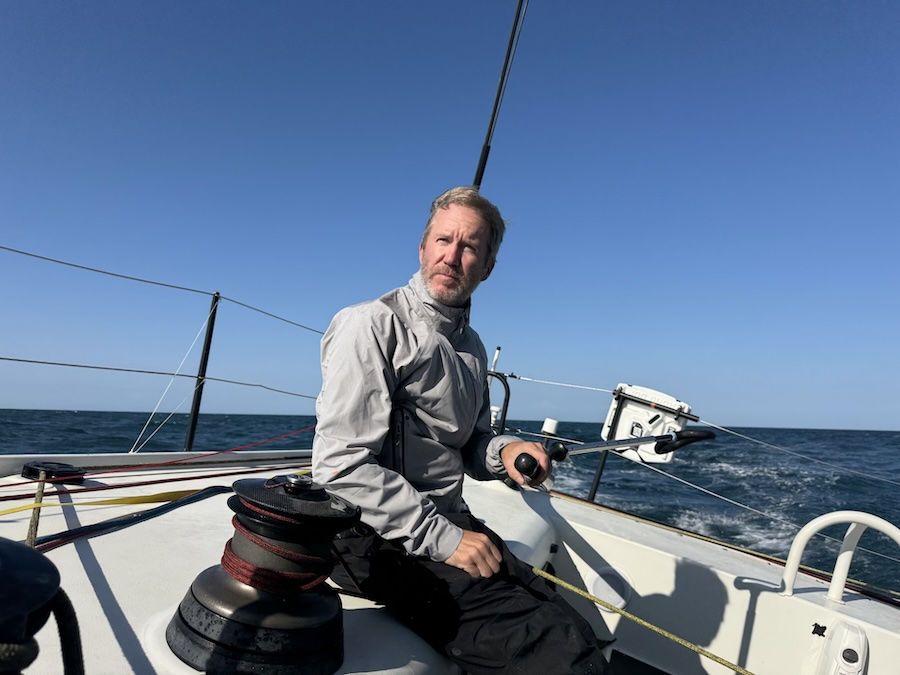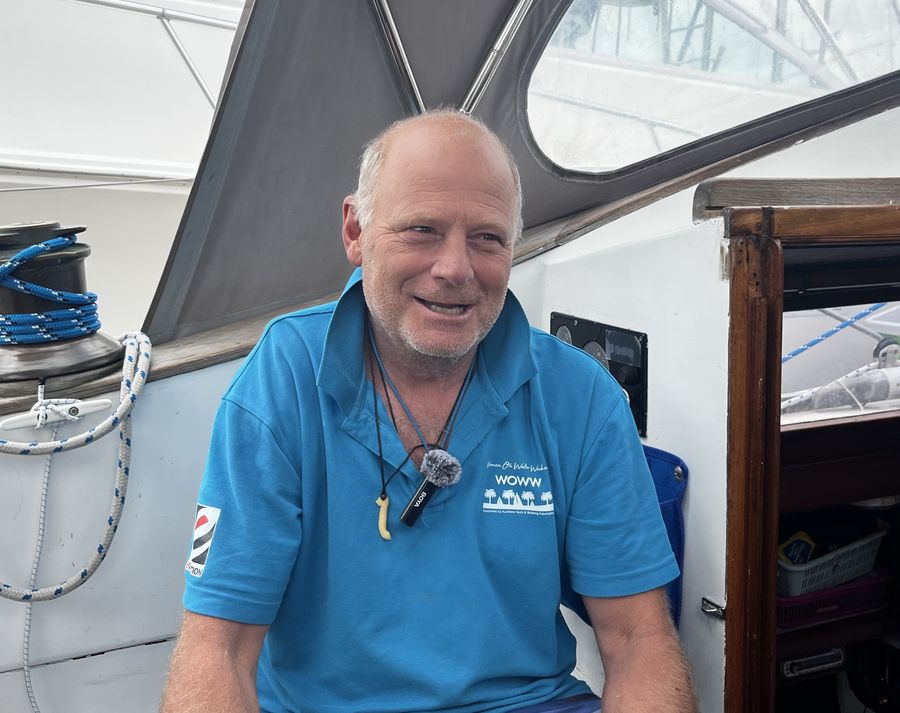
When an EPIRB signal fired north of the Three Kings Islands in the early hours of Sunday 31 May, it set in motion a night-long rescue operation that ended with both skipper and yacht arriving safely at Mangōnui.
The man behind that signal was Graeme Francis, a solo competitor in the 2026 Solo Trans-Tasman Yacht Challenge. His Wilson 36, Robbery, had begun taking on water, leaving him little choice but to activate the beacon. The Rescue Coordination Centre New Zealand (RCCNZ) took charge of the response, drawing together available assets while keeping race management and Francis's next of kin informed throughout the night.
Help came first not from a rescue vessel but from a fellow racer. Doug Esterman, sailing his Cavalier 39 Fair Seasons on his own solo Tasman crossing, altered course immediately when the distress became known and stood by Robbery until Francis had the situation under control. Esterman resumed racing only once he was satisfied Francis was safe. It was the kind of seamanship decision that costs miles and earns respect in equal measure.
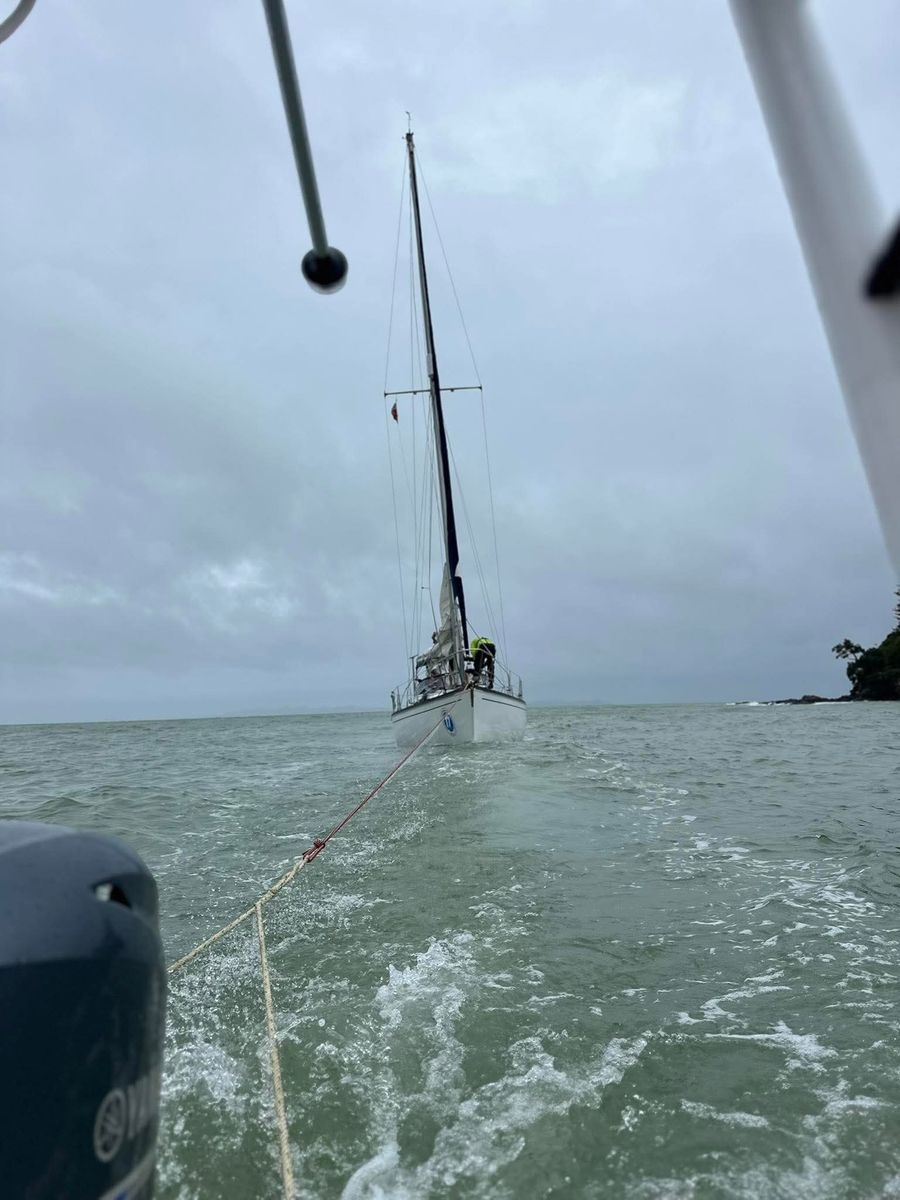
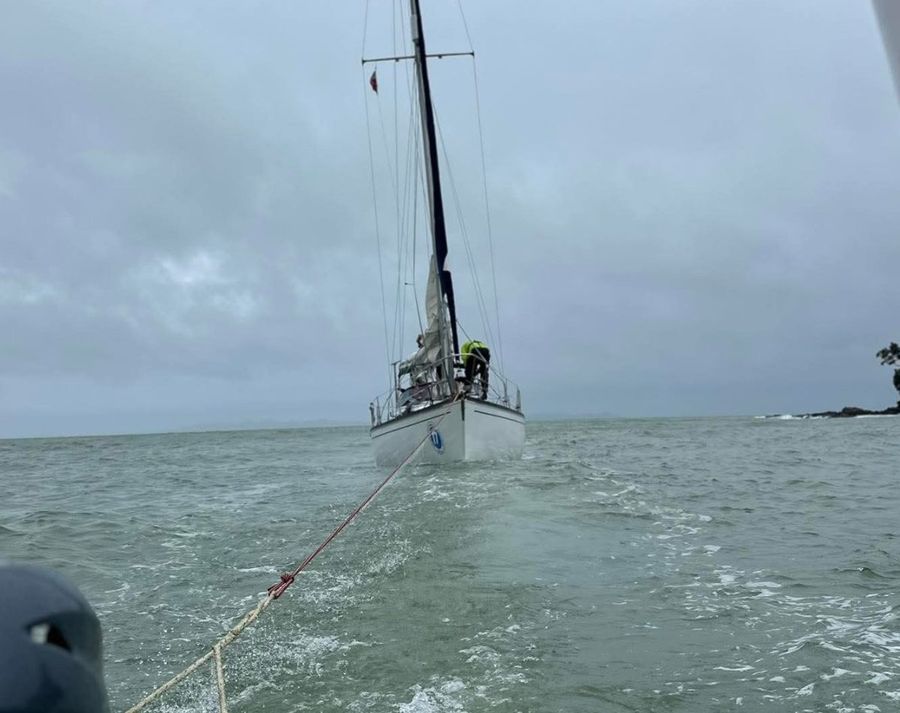
RCCNZ had been alerted just after 3pm on Sunday 31 May by Francis's brother, who reported that Robbery was in difficulty and had withdrawn from the race. The yacht was later confirmed to be taking on water as she attempted to make her way back to Doubtless Bay.
As Robbery worked south toward the coast, Coastguard Houhora made a considered decision about which vessel to send. Conditions ruled out anything larger, so the crew launched their 4.8-metre Naiad RIB, Endeavour Rescue. Four volunteers along with two members of the Mangonui Cruising Club made up the six-person crew. They reached Robbery on the morning of Monday 1 June and escorted her safely into Mangōnui.
Costguard Houhora skipper Greg Gemmell was straightforward about the reasoning behind the vessel choice. "The conditions were too rough for a big boat, so it was good to have a smaller boat we could launch," he said.
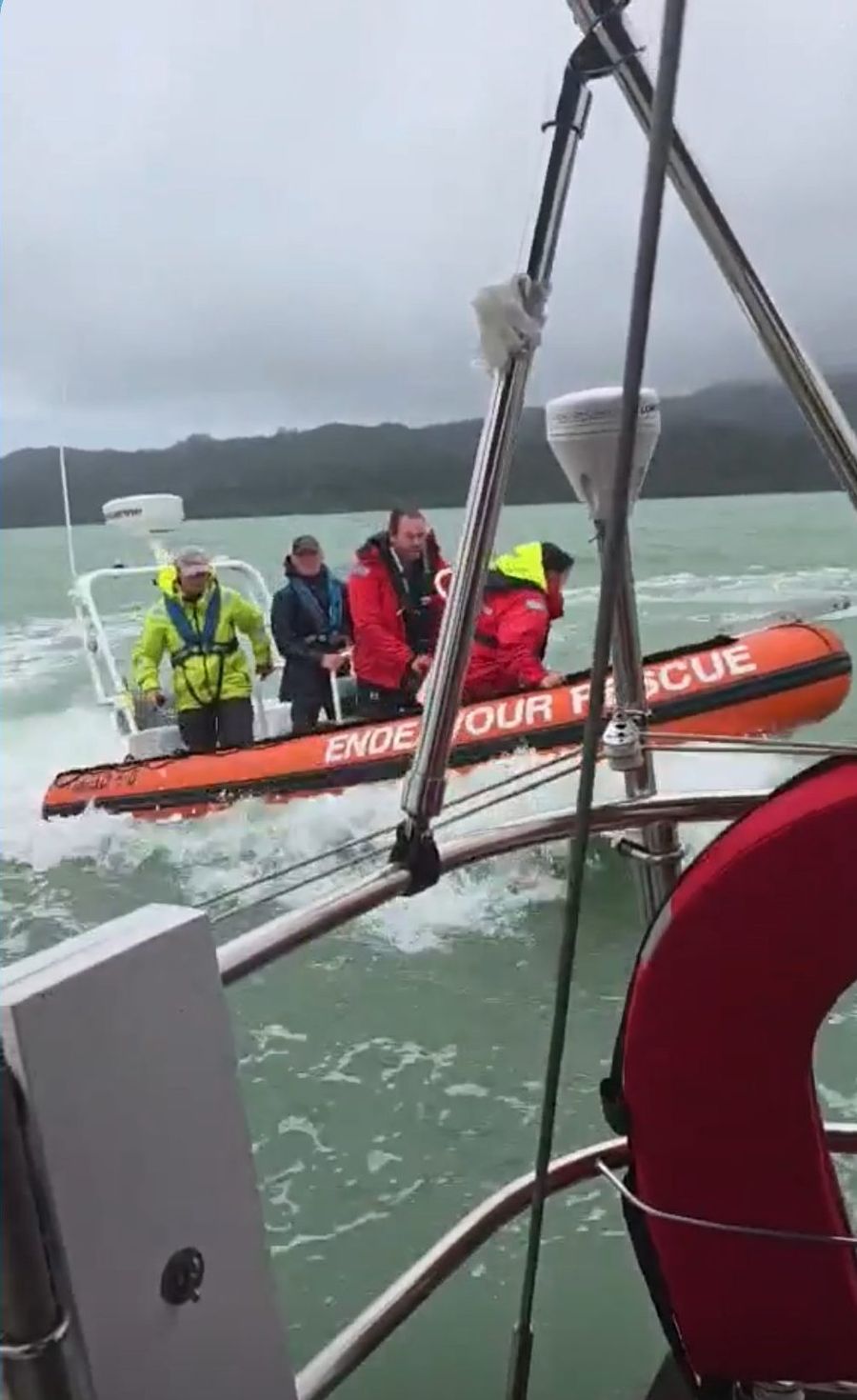
Several elements combined to produce a good outcome. Francis had strong contingency planning in place before he left the start line. Coastguard Houhora responded quickly, and the unit's newly established small vessel capability proved well suited to the sea state encountered. The incident was also a pointed reminder of why reliable communications matter offshore. Francis had VHF radio, a mobile phone, and an Emergency Position-Indicating Radio Beacon, and each played a part in bringing him home.
By the time it was over, Francis was ashore and resting, Esterman was back at sea on Fair Seasons chasing down the fleet, and the Coastguard Houhora volunteers had returned to shore to wait for the next call. Offshore solo sailing is an unforgiving pursuit, and this rescue was a clear illustration of the network of people and equipment that stands behind every skipper who crosses a start line.