There is something almost contradictory about an IMOCA. Every dimension of the hull is tightly prescribed, the technical regulations among the strictest in offshore racing, yet this controlled, 18.28-metre machine exists specifically to endure conditions that would overwhelm almost anything else afloat. It is the vessel at the centre of the Vendée Globe, the solo circumnavigation widely held to be the most demanding sporting event in existence.
The origins of the class reach back to the 1986 BOC Challenge, a round-the-world race conducted in stages. From the beginning, certain principles were fixed: generous waterline length and beam, chosen deliberately for pace in the most hostile ocean environments. What no one could have predicted from those early campaigns was the speed of change that would follow. Exposed decks gave way to enclosed cockpits. Autopilot systems evolved from barely functional mechanical units into sophisticated electronics capable of holding a course through the full fury of a Southern Ocean storm. Average speeds climbed with each successive race, each successive decade.
The current rules hold beam to 4.50 metres and restrict mast height to less than 29 metres, yet in flat water an IMOCA can reach 40 knots. During the 2024 Vendée Globe, one skipper logged a 24-hour run of 615.33 nautical miles, equivalent to 1,139 kilometres. The first generation of these boats averaged around 8 knots for a full circumnavigation. The fastest modern campaigns now sustain 17 knots over the same distance.

No single advance reshaped the class more completely than hydrofoils. Fitted to each side of the hull, the foils generate lift as speed increases, raising the boat physically clear of the water and stripping away the drag that had always set a ceiling on performance. The transformation was rapid and obvious. Six boats arrived at the start of the 2016 Vendée Globe carrying foils. By the 2024 edition, thirty did. Class regulations deliberately leave foil design as an open development area, ensuring it remains the primary frontier for each new generation of engineers and designers.
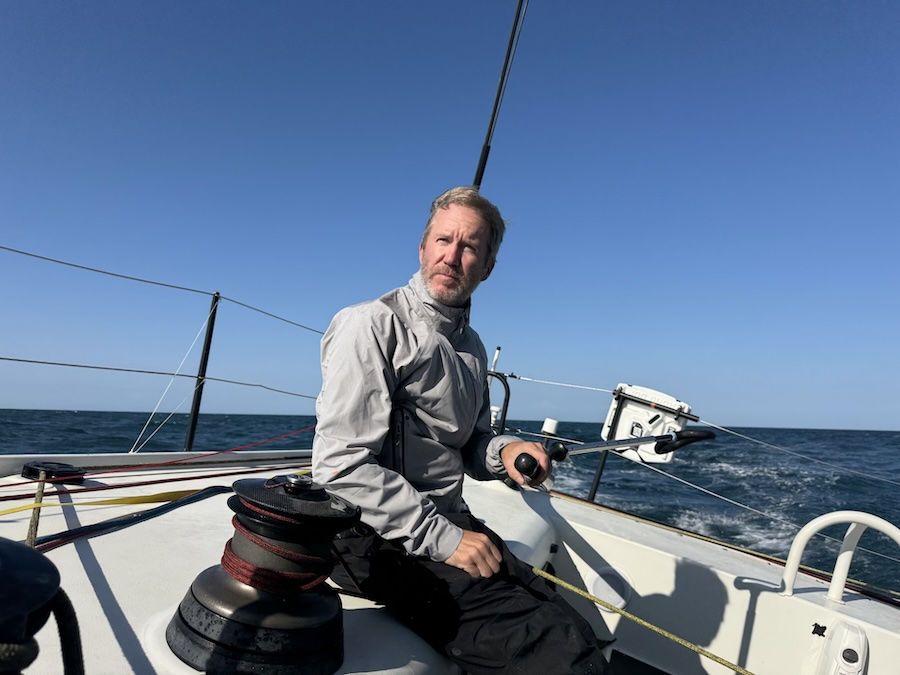
New Zealanders are no strangers to what an IMOCA demands. The values at the core of this class, extreme speed pursued in complete isolation, thousands of kilometres from any port or assistance, sit comfortably alongside how offshore sailing has long been understood here. A skipper lives alone with their systems, their routing calls, and whatever they can summon from their own reserves, for weeks at a stretch. After a capsize, no outside help is coming. When circumstances turn genuinely dire, no rescue is waiting. An IMOCA must be able to right itself, and the person aboard must be capable of carrying on alone.
Environmental responsibility has taken on growing importance within the class. From 2024, any team commissioning a new build must reduce its total environmental footprint by 15 percent, with specific targets covering carbon-fibre use in moulds and waste produced during foil manufacture. Bio-sourced and recyclable sails have been compulsory across the fleet since 2021.
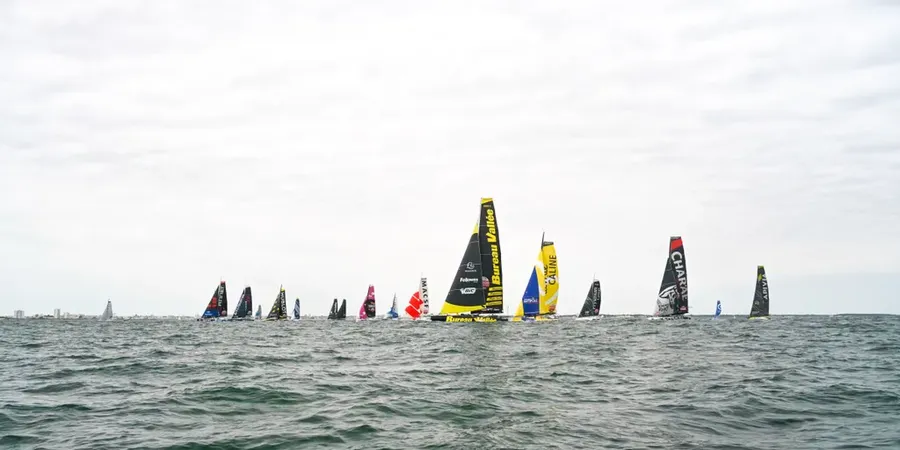
Part of what gives the class its particular appeal is the range of generations competing side by side. The boat that took François Gabart to Vendée Globe victory in 2012-13 is still racing today, now sailing as Café Joyeux under Nicolas d'Estais. Alex Thomson's 2015 design continues as April Marine, campaigned by Arnaud Boissières. These older hulls line up against designs from the 2022 and 2024 build cycles, separated by a decade of development yet governed by identical rules. Nine new IMOCA projects are already confirmed for the next cycle, a clear statement of confidence in where the class is heading.
The Vendée Arctique, departing on 7 June, will bring this multigenerational fleet together for a single-handed offshore race that functions as both spectacle and proving ground. Machines representing twelve years of evolving thinking will meet the same conditions and be measured by the same blunt standard: cross the finish line first, or come away with nothing.