A New Plymouth Yacht Club member has made it back to New Zealand safely after spending 16 hours aboard a flooding yacht thrown around by heavy swells during the trans-Tasman Yacht Challenge. A maritime search and rescue officer credited his survival entirely to his equipment and preparation "for every eventuality".
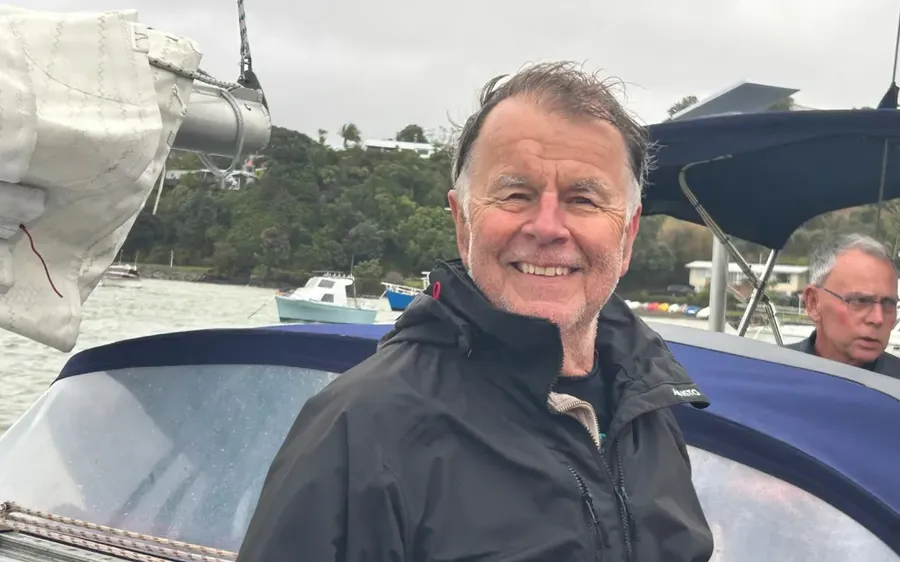
Graeme Francis, 69, came ashore at Mangōnui on Monday morning after a night spent manually pumping water from his stricken boat while making way more than 180 kilometres to the New Zealand coastline. Club commodore Sacha McGregor noted that it had been Francis's third attempt at the challenge, and that he had completed the crossing successfully on both previous occasions. The voyage had departed Opua on Saturday.
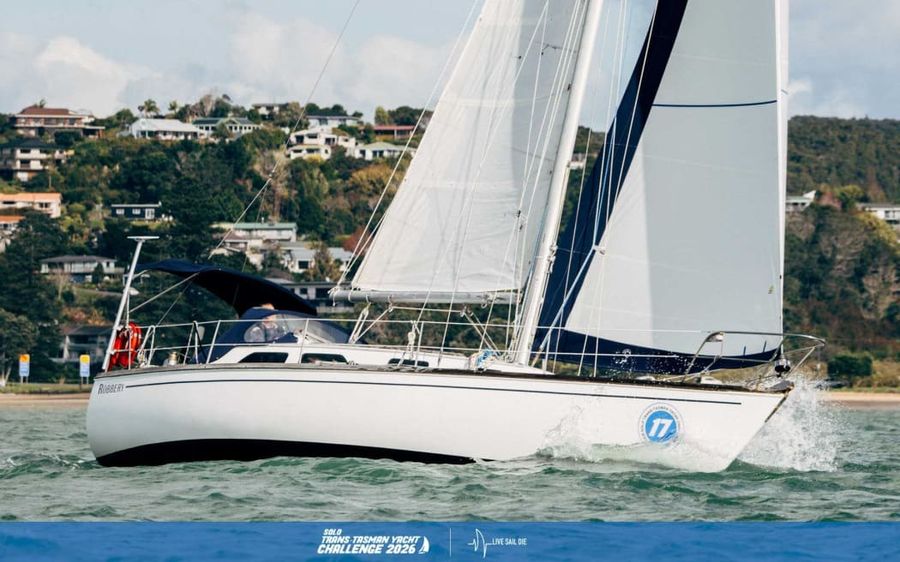
The crisis began on Sunday shortly after 5pm, when the Rescue Coordination Centre received a Mayday call triggered by an EPIRB activation. Francis's boat, Robbery, had started taking on water roughly 100 kilometres north of North Cape.
Search and rescue officer Anthony Ivan was in no doubt about the gravity of what Francis faced. "There was a danger that the solo yachty on that yacht would have to abandon his vessel. The weather conditions out there were extremely challenging yesterday and last night with very strong winds and severe swell," he recalled.
Two commercial tankers were sent to assist. The first arrived on scene around 11pm, with a second reaching the area hours later. Despite both vessels being close at hand, the ferocity of the weather made it impossible for Francis to safely leave Robbery and board either of them. An aerial response was equally ruled out, though an EMS helicopter based at Whangarei remained on standby throughout the night in case a weather window opened.
With no rescue option available, Francis had little choice but to keep sailing. "Essentially he has kept sailing with the flooding, with his pumps managing overnight," Ivan said. Having loaded Robbery with backup pumps, a lifeboat, life jackets, EPIRBs, and satellite communication devices proved decisive.
"He has prepared himself for every eventuality and in doing so he's taken the, I won't say the miracle component out of it, but he has done everything right and that is the moral to take from this particular story," Ivan said.
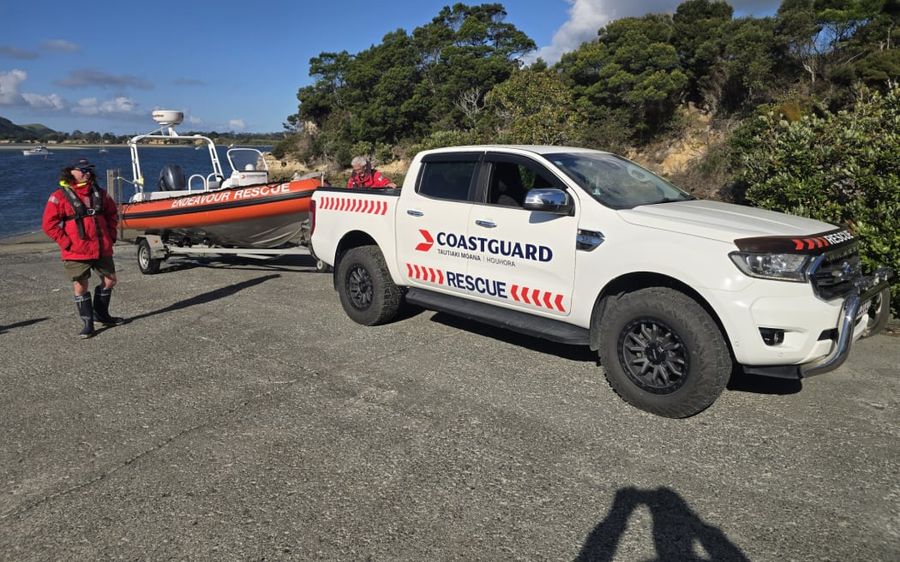
Throughout the night and into the following morning, one of the commercial tankers remained in close company with Robbery as Francis worked to hold back the flooding and push on toward the New Zealand coast. The yacht reached Doubtless Bay at around 9am, where Coastguard units were waiting to escort Francis the remaining distance to Mangōnui. Ivan confirmed he was on his feet and uninjured on arrival.
McGregor said club members spent an anxious night keeping tabs on Francis's progress, checking his position on the live tracker every few hours. She described herself as "absolutely relieved" to hear he was safely ashore.
Second yacht to return
Francis was not the only competitor to encounter serious trouble. Organisers confirmed that Bill Kidman had also reported difficulties aboard Pretty Boy Floyd, with damage to both the sail and the engine. Despite those problems, organisers said the vessel remained capable of making it home safely.
By 7pm on Monday, the event's online tracker had Pretty Boy Floyd sitting approximately 350 kilometres from Cape Reinga. Travelling at around two knots, the yacht was expected to reach Opua within two to three days.