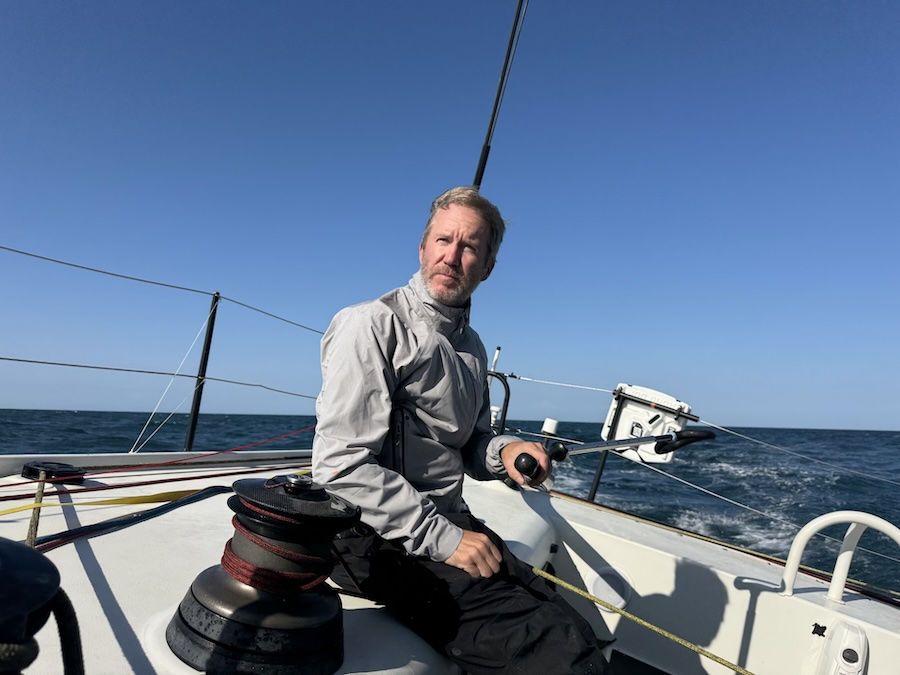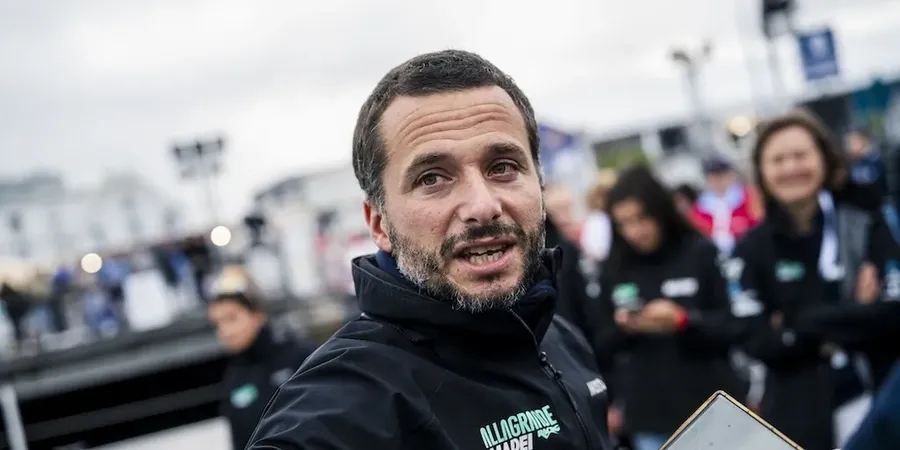
Nine IMOCA skippers are preparing to race in waters their class has never competed in. The Vendée Arctique 2026 will carry them beyond the Arctic Circle, into cold that makes the Vendée Globe's southern latitudes feel mild by comparison, beneath skies that never fully darken, through weather systems unlike anything these sailors have previously navigated aboard their current boats.
The numbers alone convey what awaits. Air temperature drops from around 30 degrees Celsius at the start line in Les Sables-d'Olonne to roughly 5 degrees as the fleet closes on the polar circle. Sea surface temperature falls from 16 degrees off the Vendée coast to below 5 degrees in the far north. On top of that, unbroken daylight stretches across ten days of solo racing, a combination none of these skippers has previously faced aboard their current IMOCA.
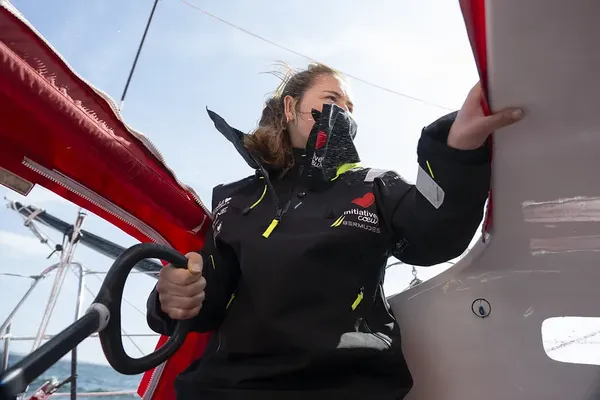
The race's recent history provides sobering context. The second edition, four years ago, sent the fleet toward Iceland, and those who completed it have not forgotten what the experience extracted from them. A savage depression swept across the course mid-race, compelling the organisers to shorten proceedings and, for a time, bringing three non-foiling yachts within reach of a top-ten result. Arnaud Boissières, who brought April Marine through those conditions, offered a verdict with no softening: "Those were hellish conditions, really difficult to live through."
The 2026 edition raises the stakes further. Once the fleet has cleared Ireland, each skipper is free to chart their own path around Iceland, choosing their own latitude for crossing the Arctic Circle and plotting their own route back to the finish. That routing freedom sounds appealing enough on paper. It becomes considerably less so when a 30-knot low-pressure system is building overhead, with two more queuing behind it.
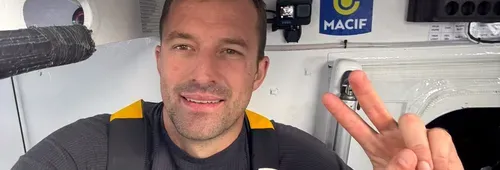
Race meteorologist Christian Dumard outlined what conditions will demand of the fleet. "There will be many changes in wind conditions, many transitions and therefore many manoeuvres. We know for certain they will have to manage many transitions, it won't be like the Vendée Globe where you can have two to four days of stable conditions." In solo sailing, a single gybe takes close to 45 minutes to complete. These skippers will repeat that process dozens of times across the race.
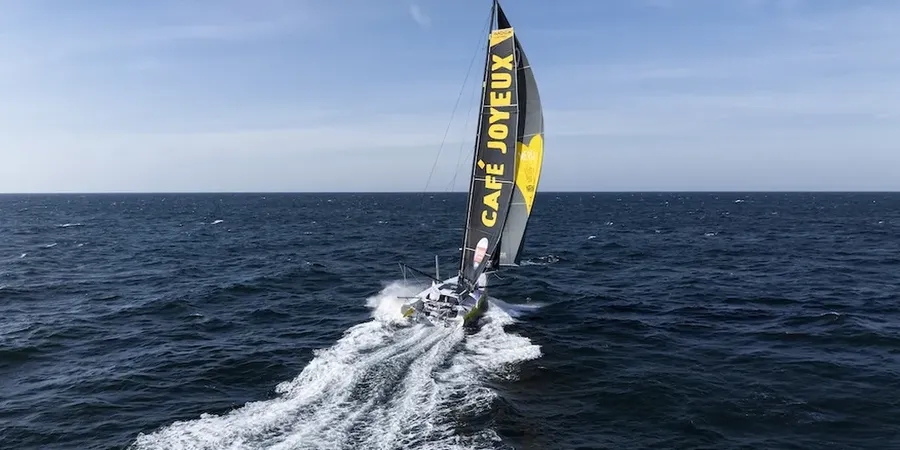
Cold air is denser than warm air, translating directly into greater pressure through the sails, higher boat speeds, and heavier loads on both the equipment and the people managing it. Nico d'Estais, sailing Café Joyeux, was matter-of-fact about the preparations underway: "We're preparing by bringing really warm clothes to get through it." Several competitors are also considering small electric heaters, equipment that proved its value during the Southern Ocean passages of the Vendée Globe.
Elodie Bonafous, racing Association Petits Princes – Quéguiner, describes what lies ahead as "a race that promises to be long and demanding." Managing sleep rhythms, holding concentration when conditions turn raw, and sustaining output across ten relentless days all come down to one quality: endurance. Corentin Horeau put it plainly: "We know it'll be a real physical and psychological challenge."
That, more than anything else, is why they are heading north.