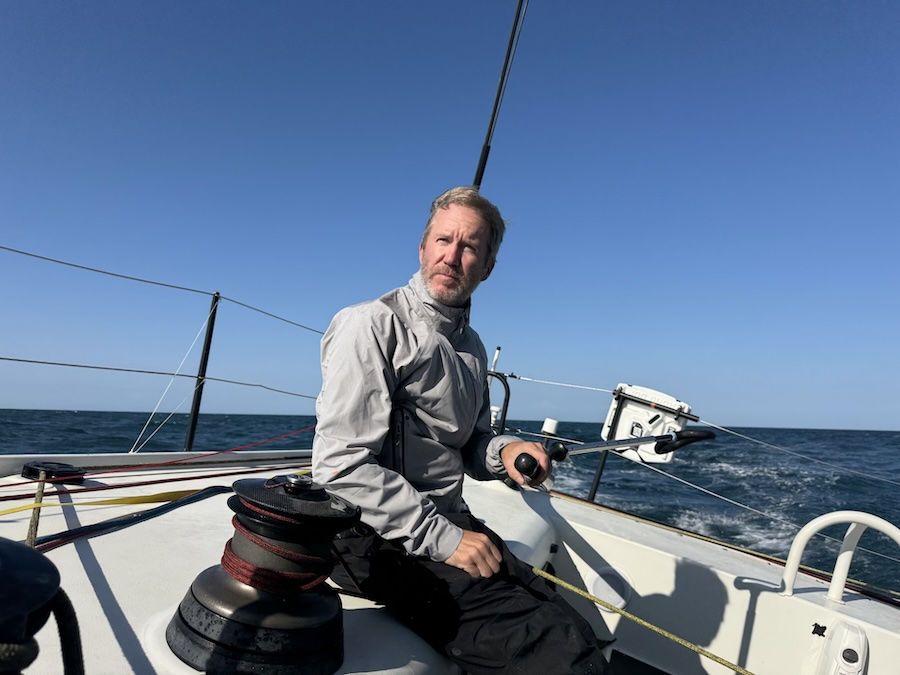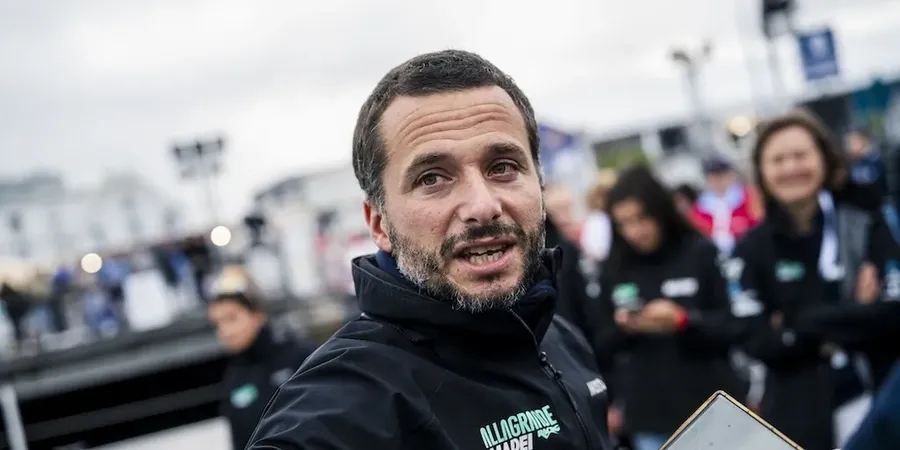
Few scientific tools are as underused as the observations of people who spend their working or recreational lives at sea. A French research programme called Phenomer 2.0 is working to change that, and competitors in the Vendée Arctique are among those being invited to contribute.
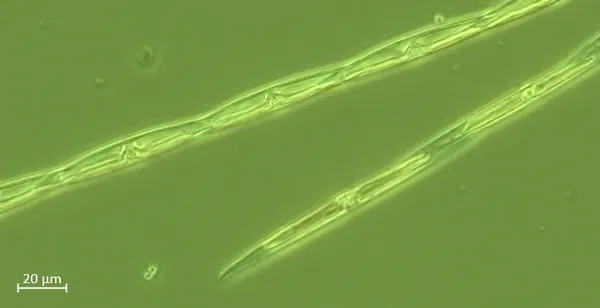
The initiative is run by Ifremer, France's national marine research institute, which also serves as the race's official scientific partner. Its aim is to build a richer, more geographically detailed picture of algal bloom activity around European coastlines, drawing on reports submitted by anyone with regular access to the sea: sailors, fishermen, coastal residents, and beachgoers. When someone notices water that appears an unusual colour, they record the sighting through the programme's platform, logging the location, the date, and a description of what they observed.
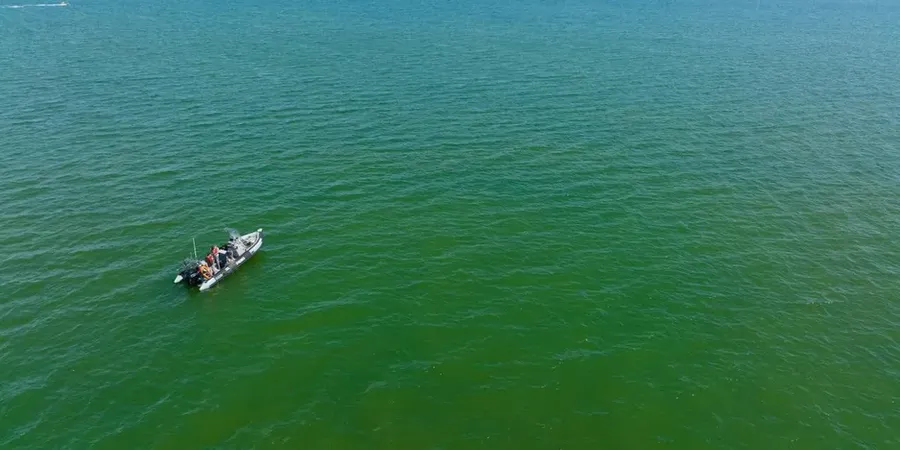
Participants who are able to go a step further are encouraged to collect a water sample from the affected area. No specialised equipment is required, just a clean bottle and some care. Those samples are sent to Ifremer's laboratories, where scientists identify the microalgae species responsible for the discolouration. Recording a sighting takes only a few minutes; collecting a sample demands somewhat more effort, but nothing beyond what an attentive mariner is already capable of.
Algal blooms are a natural feature of marine environments, yet the regularity and intensity with which they occur carries genuine scientific significance. The great majority present no direct hazard, but certain species can damage aquaculture operations, restrict coastal waters to recreational use, or indicate deeper disruption to marine health. As ocean temperatures rise and nutrient levels along coastlines continue to shift, monitoring these events has become increasingly central to understanding how marine ecosystems are changing over the long term.
Ifremer researchers are particularly interested in potentially toxic species and in how changing ocean conditions are influencing where those species appear. Observations gathered through Phenomer 2.0 feed into broader research on climate change and eutrophication, helping scientists distinguish natural variation from change driven by human activity. The programme's particular strength lies in its reach. Shore-based monitoring and laboratory infrastructure cannot capture fleeting phenomena scattered across vast stretches of open water. Vendée Arctique competitors, traversing long passages through Atlantic waters well away from the coast, are exceptionally well placed to provide exactly this kind of observation.
For researchers working to anticipate ecosystem change and inform coastal management, every submission fills a gap that no level of institutional funding alone could complete. Phenomer 2.0 rests on a straightforward understanding: making sense of the ocean depends not only on laboratories and scientific infrastructure, but on the attentiveness of the people who are already out there on the water.