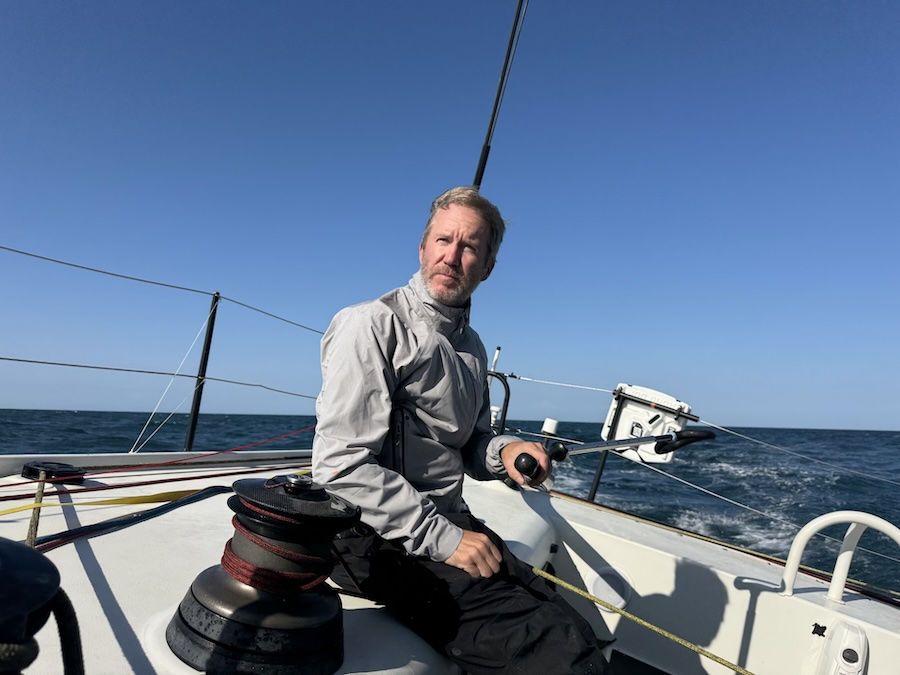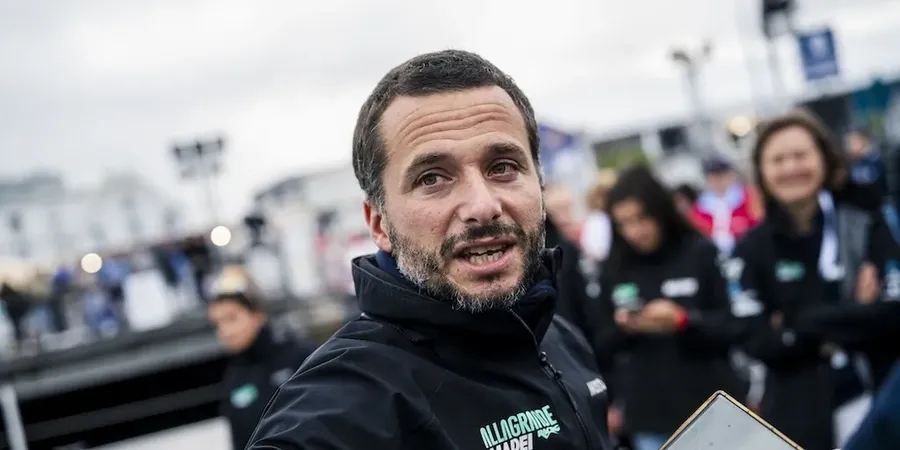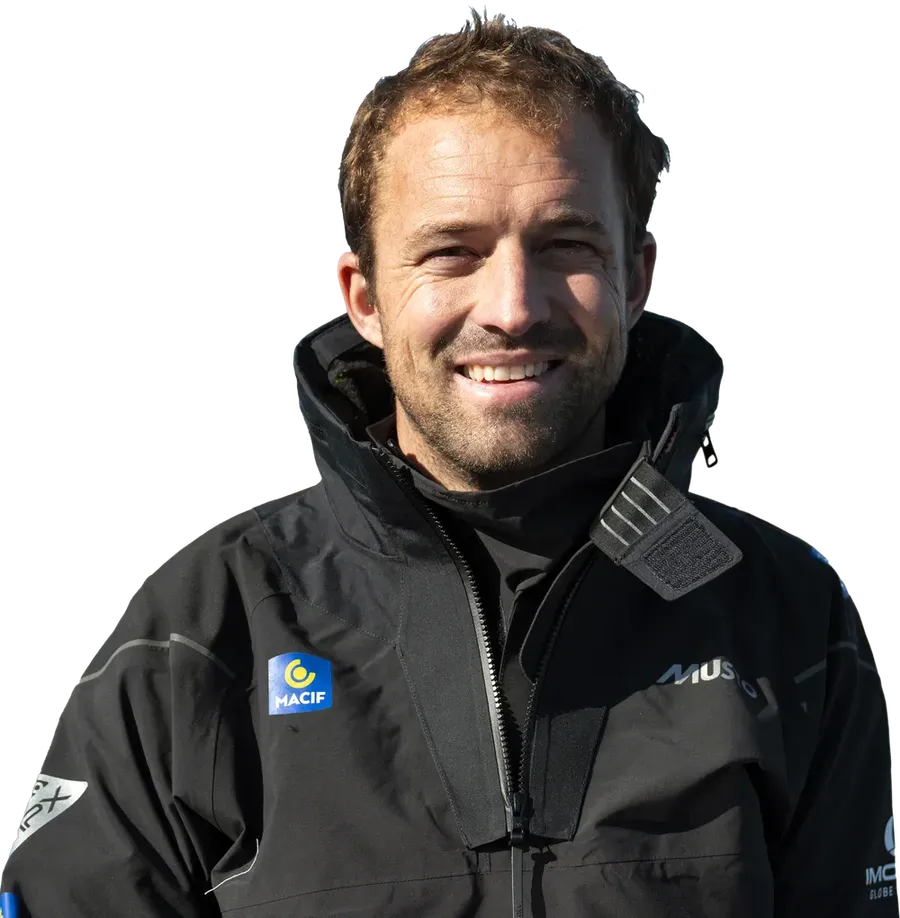
Sam Goodchild holds a commanding position at the head of the Vendée Arctique 2026 fleet, steering MACIF Santé Prévoyance through one of offshore racing's most unforgiving routes. His presence at the front of that fleet is the product of a career built methodically across formats and oceans, rather than through any single breakthrough moment.
Born in Bristol, Goodchild has long made France the gravitational centre of his racing life. That combination of British origins and deep immersion in French offshore culture has produced a sailor of unusual versatility. Now 36, he has accumulated serious competitive miles aboard Figaro Bénéteau boats, Class 40s, Ultims, and Ocean Fifties, a breadth of experience that very few in the IMOCA fleet can genuinely claim. The result is a fluency across racing formats that has become one of his defining strengths.
The route to the IMOCA 60 campaign he now leads was built on merit. His ninth-place finish in the 2024 Vendée Globe, completed aboard an older-generation boat competing against newer machinery, was enough to attract serious attention from the sport's most prominent figures. Charlie Dalin was among those who took notice, and his decision to step aside and hand Goodchild the helm of his IMOCA machine for the remainder of 2026 was a significant vote of confidence. MACIF Santé Prévoyance is not a vessel to be taken lightly. Designed by Guillaume Verdier and built at CDK Technologie, the 18.28-metre foiling machine sits at the leading edge of IMOCA technology, constructed specifically to withstand the sustained punishment that solo ocean racing delivers.
What distinguishes Goodchild from a large portion of his rivals is a genuine ease moving between crewed and solo campaigns. The offshore world tends to produce specialists, sailors who excel within one discipline but find the transition to another difficult to manage without losing something. Goodchild makes that transition without losing rhythm. Seasons spent racing on the Mediterranean, across the Atlantic, and through the northern European circuits have given him a tactical range that purely solo-focused competitors can sometimes find harder to replicate. For followers of IMOCA racing in New Zealand, his career makes a persuasive case that broad ocean experience across varied conditions and contrasting boat types can be every bit as valuable as deep mastery within a single class.
The Vendée Arctique offers no comfortable miles to any competitor. Pushing into Arctic waters and navigating a safe return requires a disciplined balance of speed, patience, and precise boat management, and any lapse in judgement along the way tends to be punished quickly. That Goodchild currently leads the fleet suggests he has understood those demands and responded to them clearly. Much of the composure he brings to that challenge was forged during the 2024 Vendée Globe, where more than 80 days racing alone, nursing an older boat against a newer generation of competitors, called for resilience as much as seamanship.
{{TABLE_1}}
His progression from a widely respected all-rounder to a genuine front-runner in IMOCA's most demanding events carries a broader lesson about what offshore racing ultimately values. The sailors who rise to the top are rarely those who committed early to a single class and climbed steadily within it. Goodchild's willingness to race different boats in different contexts, taking the lessons each offered and carrying them forward, has shaped a competitor now equipped to lead the world's most demanding solo races from the front.