Rowing has a retention problem stretching back decades. Once school or university finishes, the sport tends to lose people, and conventional club structures have done little to win them back. Picton Rowing Club has been quietly dismantling that pattern, and the approach turns out to be straightforward: coastal boats, a membership structure that bends around real life, and an open invitation to people in their 60s and 70s who have never picked up an oar.
The traditional model carries a lot of unspoken assumptions. Early starts, structured training blocks, weekend regattas as a baseline expectation. If you were not competing seriously, the message was that you did not quite belong. That has been the dominant culture in the sport for a long time, and the Marlborough club has spent years working against it.
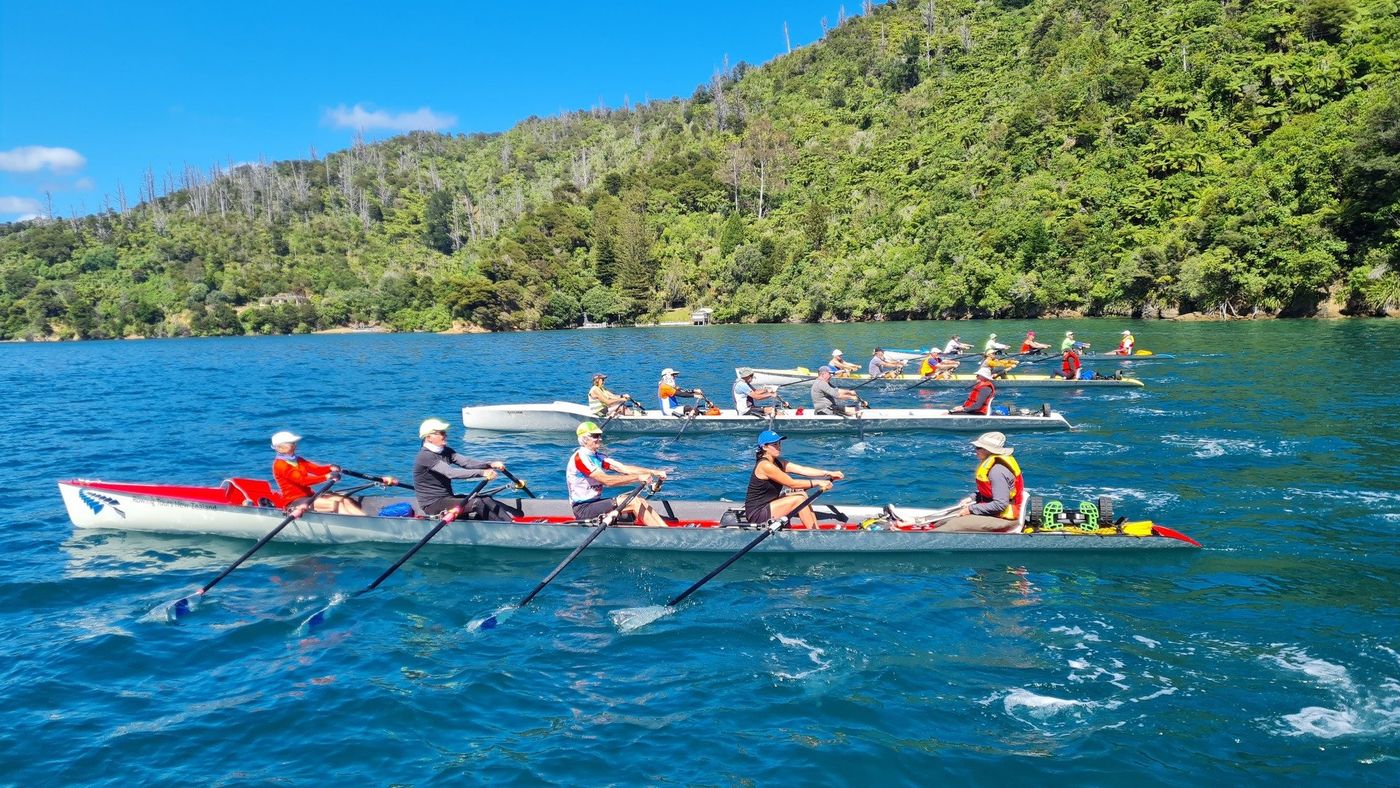
The result is a membership that spans seven decades. Some of those members are returning rowers, picking up a sport they set aside years ago. Others have come to rowing entirely fresh, discovering it for the first time in retirement. Neither group is treated as secondary. The club has made a deliberate cultural choice to run social participation, fitness-focused outings, and competitive programmes alongside one another, rather than treating one as the real purpose and the rest as a concession.
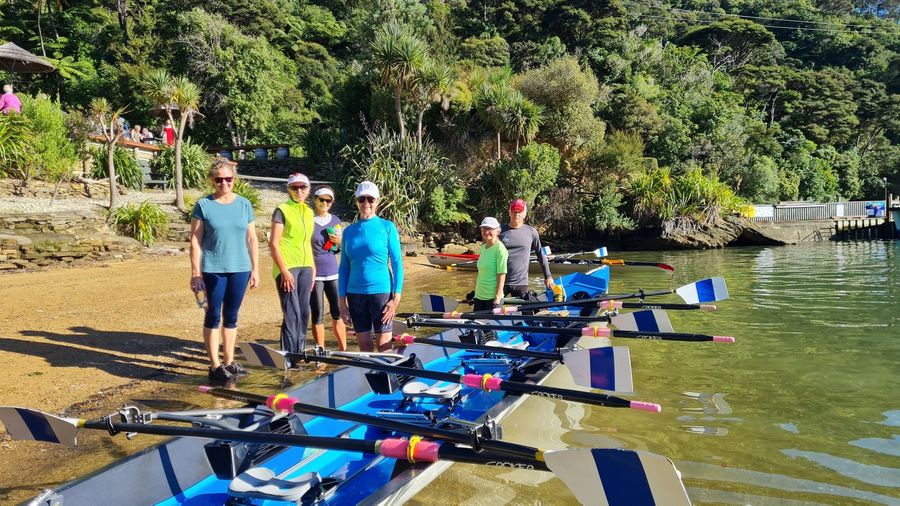
"You can row socially, row for fitness, row competitively, or simply get back on the water because you miss it," the club says. That is not a minor point of difference. The pressures that pull people away from sport, whether work, family, or time, do not disappear at 40 or 50. A club that can accommodate those realities rather than demanding members organise their lives around a fixed schedule is offering something genuinely different.
Coastal rowing has been central to how this has worked in practice. The hulls used on open water are wider and more stable than traditional flatwater craft, and that difference matters for people coming to the sport late or returning after a long break. Some members arrive through coastal rowing as a lower-pressure entry point. Others find they simply prefer it and stay. Either way, the programme has brought in participants who might not have engaged with flatwater rowing alone.
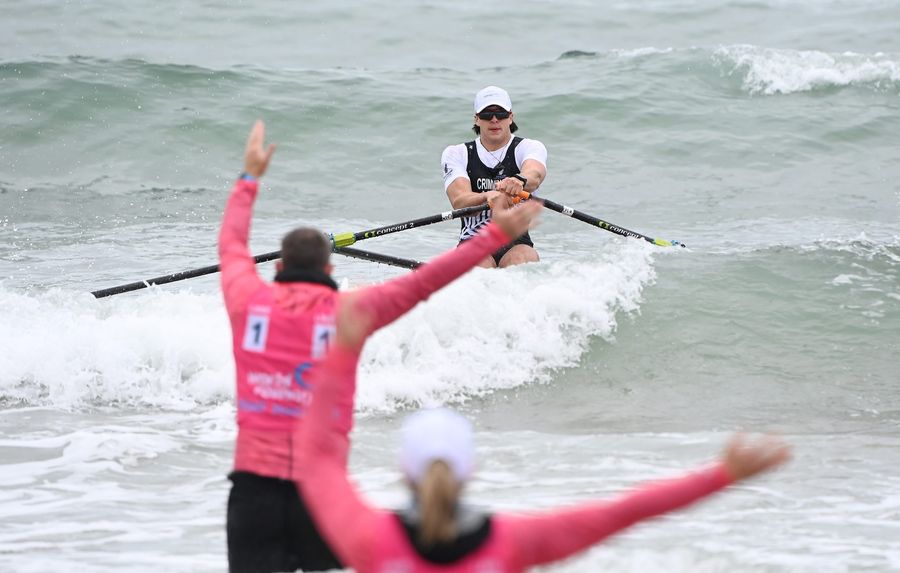
None of this has come at the expense of competitive results. Picton continues to produce strong racing performances. The club appears to have shown that broadening participation and maintaining competitive ambition are not in conflict. Inclusivity and competitive drive can function in the same boatshed without one undermining the other.
Funding from a wide range of organisations has underpinned what the club has been able to build. Port Marlborough, the Rātā Foundation, Pub Charity, Churchill Hospital, The Lion Foundation, Pelorus Trust, Grassroots Trust, Marlborough District Council, and Oxleys Bar and Kitchen have all supported the club's development. That backing has gone into new boats, coaching, and the facilities needed to run several programmes at once without any of them being under-resourced.
The clearest measure of what Picton has achieved is harder to quantify than a trophy count. Around Marlborough, there are people who had quietly concluded that rowing was behind them, only to find themselves back on the water and enjoying it on their own terms. For those members, that realisation is the point of the whole exercise.