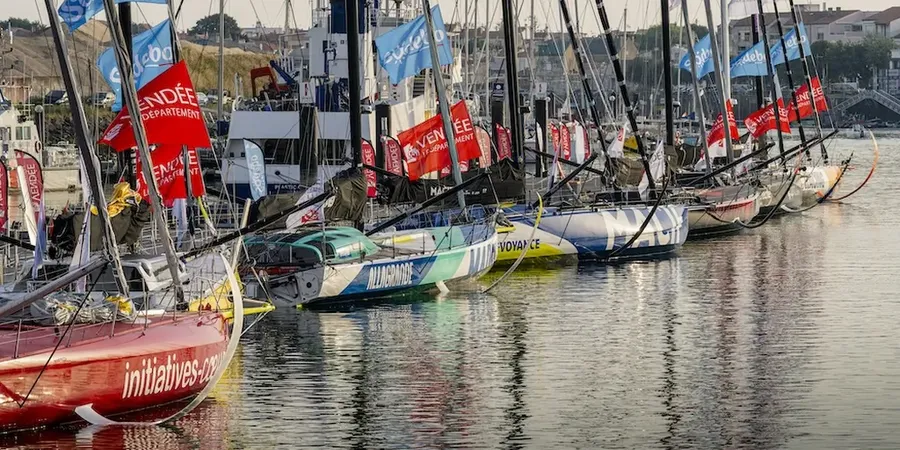
Nine skippers will take to the water for the Vendée Arctique, and few races on the IMOCA calendar are generating more conversation among the sport's elite. The course bears little resemblance to the typical ocean-racing template, the conditions it produces are genuinely severe, and some of the most experienced names in the fleet have been reflecting publicly on what sets this event apart.
Yoann Richomme, who competes under the Paprec banner and claimed second place in the most recent Vendée Globe, calls it a mad ambition. Getting an IMOCA to the Arctic Circle, he says, is an audacious undertaking with the odds firmly against you. The route cuts directly through the depression belt that sweeps across the North Atlantic, and at this time of year those weather systems trend toward the British Isles rather than peeling away toward the European coast. The nine starters should prepare themselves for serious conditions. Light patches will come, transitions will come, but the full spectrum of what the North Atlantic can produce is on offer. Several of the skipper-boat pairings heading to the start line are relatively new combinations, and the race will test them hard. Keeping these machines running in waters as remote as anything encountered during the Vendée Globe demands constant vigilance. For a number of skippers, this will be the first time they have faced a major storm aboard a foiling IMOCA, and that experience, once lived, shapes a sailor's instincts in ways nothing else can.

Jérémie Beyou brings a perspective grounded in hard-earned familiarity with this particular race. He finished fourth in the last Vendée Globe aboard Charal, won the Vendée Arctique in 2020, and came second in the 2022 edition. What this race demands, he argues, is something transatlantic competition simply cannot replicate. Rather than running ahead of the systems rolling in from the west, sailors cut across them, and there is rarely any room to sidestep what is coming. The weather dictates the terms far more than the skipper does. Conditions shift without warning, and anyone who cannot adapt quickly will be found out. The race also runs long enough to strip away any pretence and reveal genuine character. Earlier editions turned into fierce duels between Charlie Dalin and Thomas Ruyant, two sailors pushing right to the edge of what is possible. Beyou expects no less this time around. Whoever crosses the finish line first will have proven themselves complete.