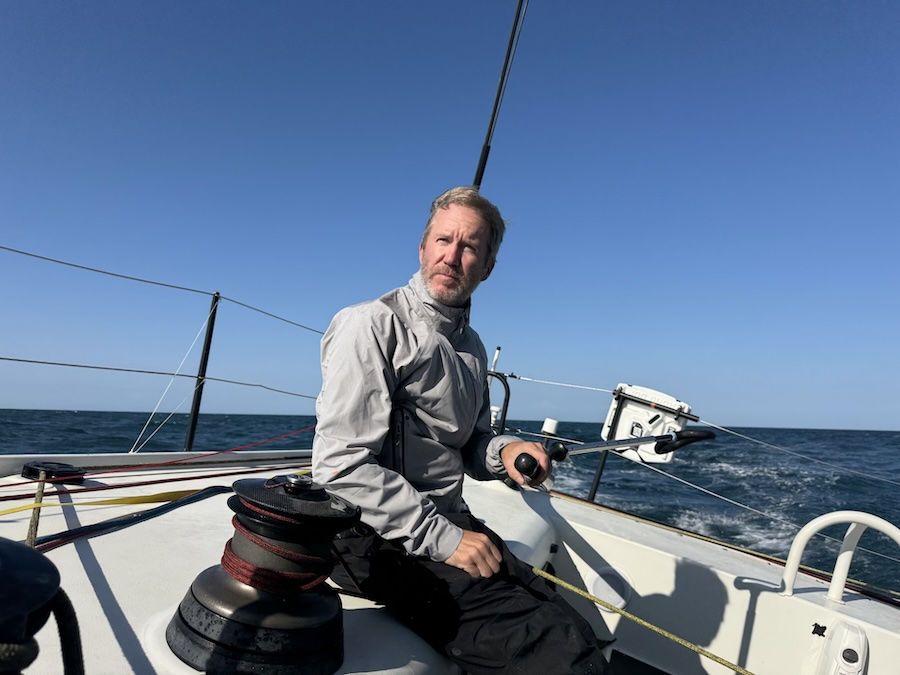
Porto Cervo's harbour has witnessed plenty of weather-driven disruption across its history, and 3 June added another chapter. The Mistral arrived with a force that made any scheduled start impossible long before crews could begin thinking about the water, with gusts climbing well beyond 40 knots sweeping across the course laid out for the approximately 130-mile offshore Range Rover Sardinia Cup. The sea state that followed left the Race Committee with no realistic alternative.
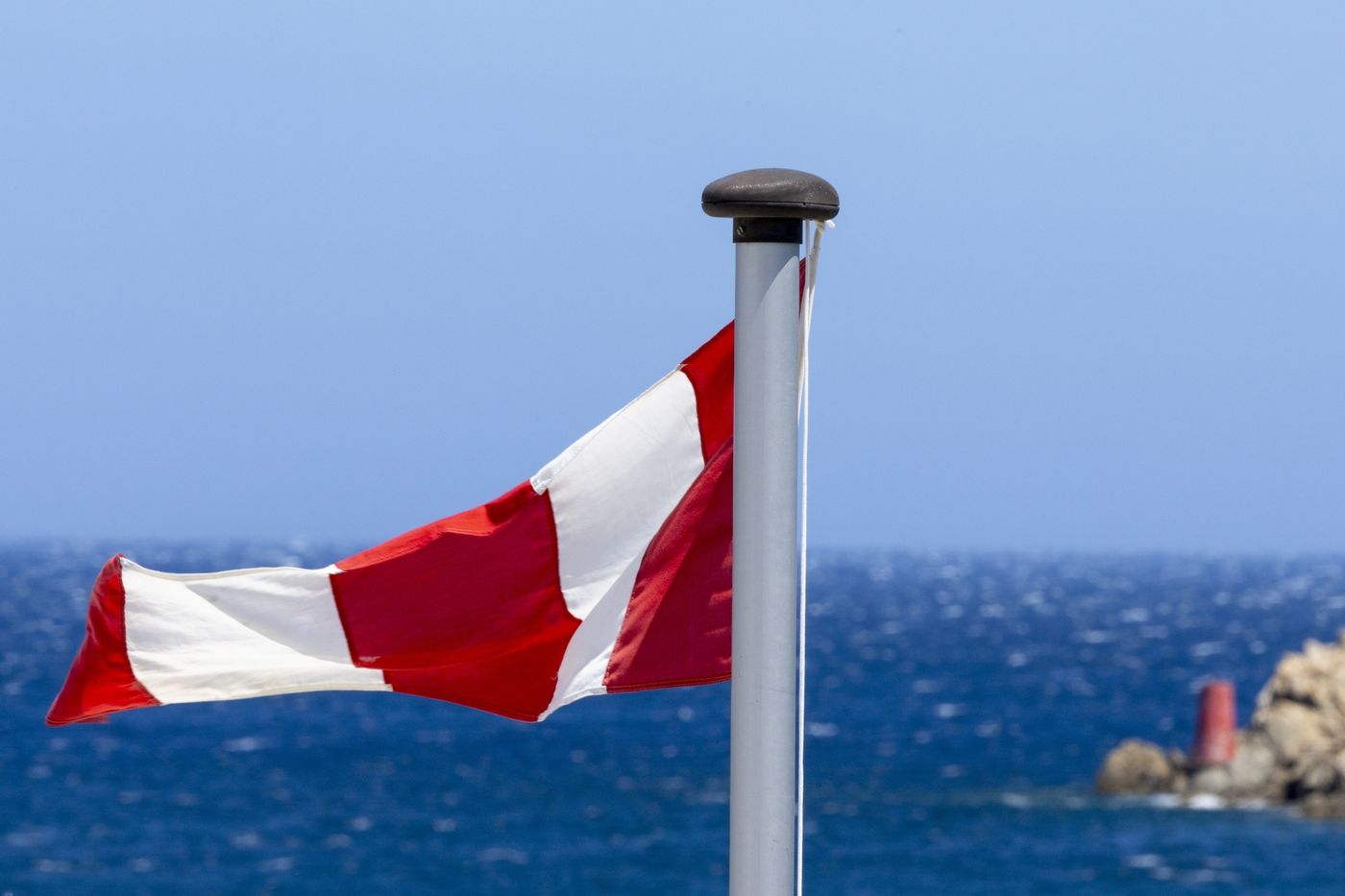
Principal Race Officer Stuart Childerley hoisted the AP flag ashore well before the scheduled departure time. For crews who had spent their morning running through gear checks and studying the latest forecast, that signal carried an unambiguous message: stand down and wait. The Mistral had reached an intensity that even seasoned Mediterranean sailors would struggle to call manageable, and recognising that fact took experience rather than timidity.
Meteorologists provided some grounds for optimism as the afternoon wore on, indicating that conditions were likely to ease sufficiently for racing to become viable around 8 pm. That window became the new focus, and the Race Committee restructured its plans around it. Throughout the day, sky and sea state were read continuously, with officials keeping themselves ready to revise their position if the wind proved less cooperative than the forecast suggested.
Delays of this kind carry their own lessons, not least for the younger athletes connected with Yacht Club Costa Smeralda. Federico Pilloni, who had recently taken bronze at the iQFOiL European Championships, and Maddalena Spanu, fresh from her victory at Defi Wing, are among those who have come to understand that offshore racing demands patience as surely as it demands speed and tactical sharpness. The very conditions capable of stopping a fleet are the ones that build a genuine and lasting respect for open water.
Through the course of the day, spectators and those following updates via the YCCS website and Instagram feed watched the situation develop in increments. Postponements test the patience of crews and race officials in equal measure, yet they keep competition anchored in seamanship rather than allowing the sea to win by simple attrition. On this occasion, the Mistral had claimed the morning hours for itself.
By evening, the picture had shifted in the fleet's favour. As the wind eased toward something the boats could work with, crews made ready to head south into open water. The later start changed the race's character in ways that differed from boat to boat, compressing or extending the overnight hours each crew would spend on the water depending on their pace. Porto Cervo has served as the stage for many races launched under trying circumstances, and this edition of the Range Rover Sardinia Cup took its place among them, departing just a few hours behind the original schedule.