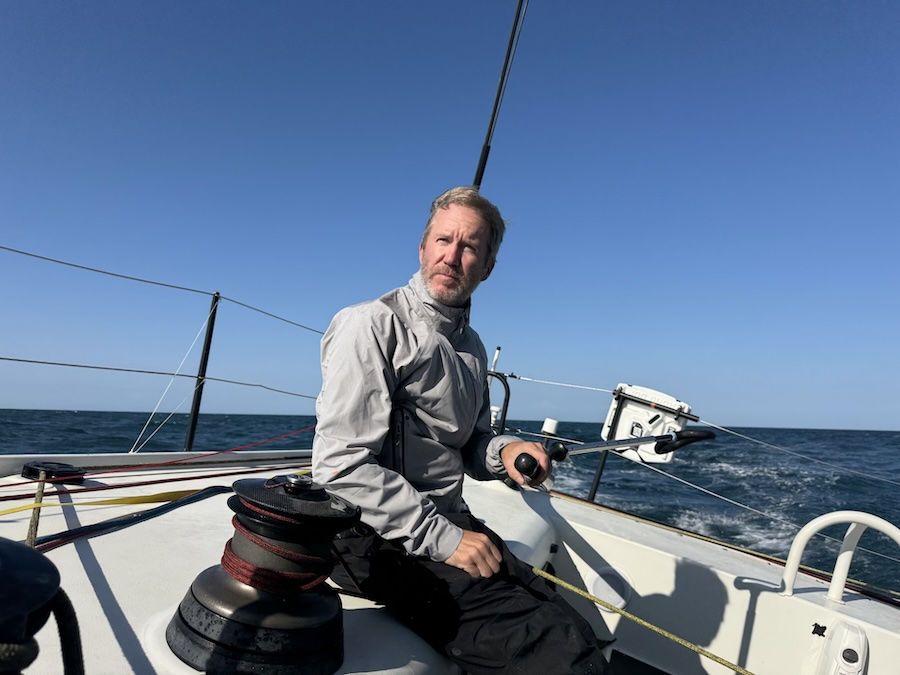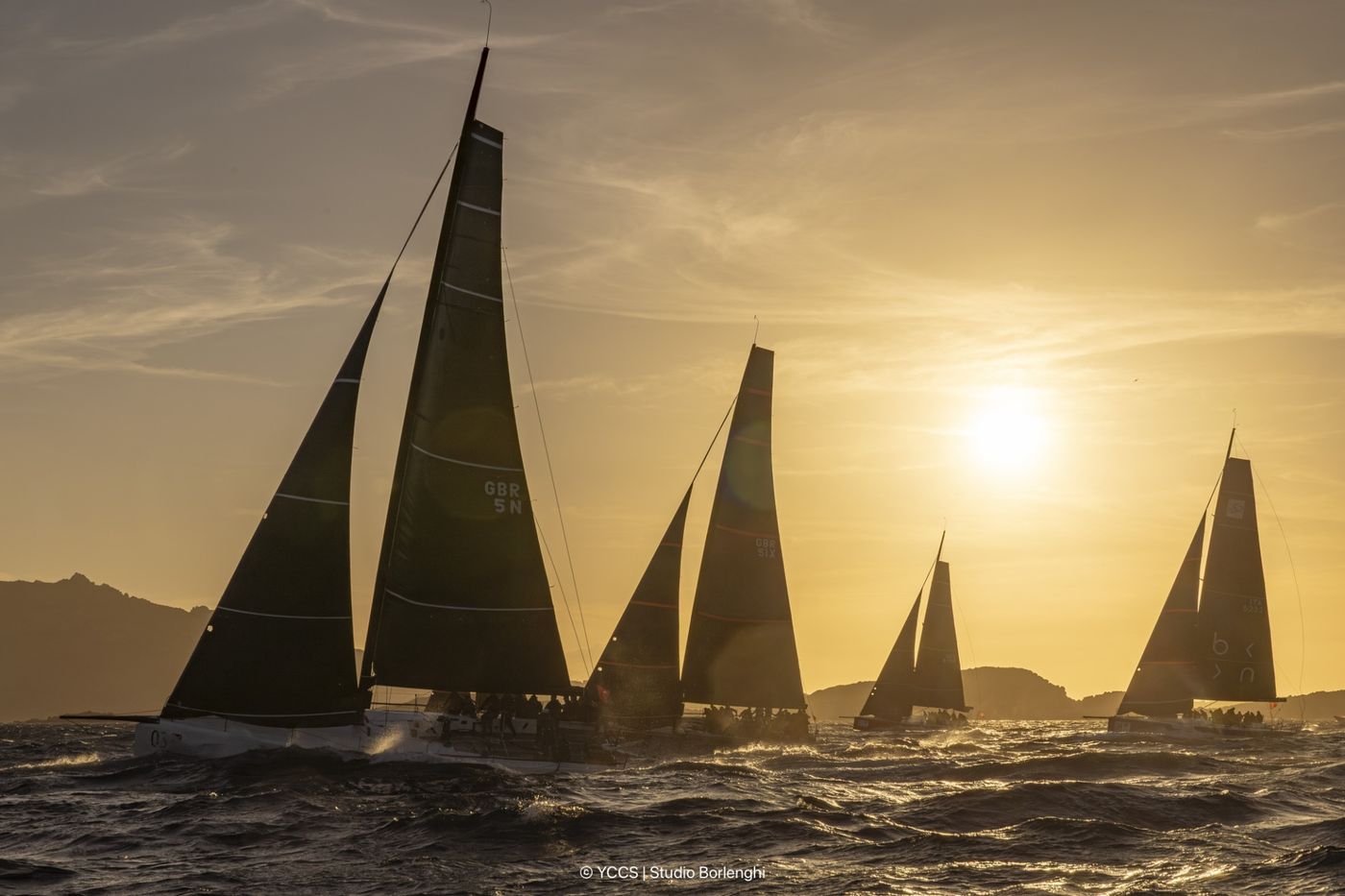
Per Roman made history at this year's Range Rover Sardinia Cup before the regatta had even reached its conclusion. No Swedish yacht had ever won an outright division at this event, and when Garm, his GP42, crossed the line first in SC2, that record fell quietly in the early morning hours somewhere between the islands and Porto Cervo. It was a fitting end to a night shaped entirely by the race's demands, not the competitors' preferences.
Those demands had begun before the start. Race officials had originally planned to send the fleet away at 3 p.m., but Mistral conditions made that impossible. The boats waited until the wind had eased to below 30 knots, and only then were they released onto a 130-mile course that is widely regarded as one of the Mediterranean's most technically demanding stretches of coastline. From the Li Nibani islands the fleet headed 35 miles offshore to a Range Rover waypoint, then threaded through the narrow passages between Mortorio and Soffi islands, arriving back at Porto Cervo with daylight breaking. Sheer boatspeed counts for relatively little on a course like that. Preparation and tactical precision are what decide results.
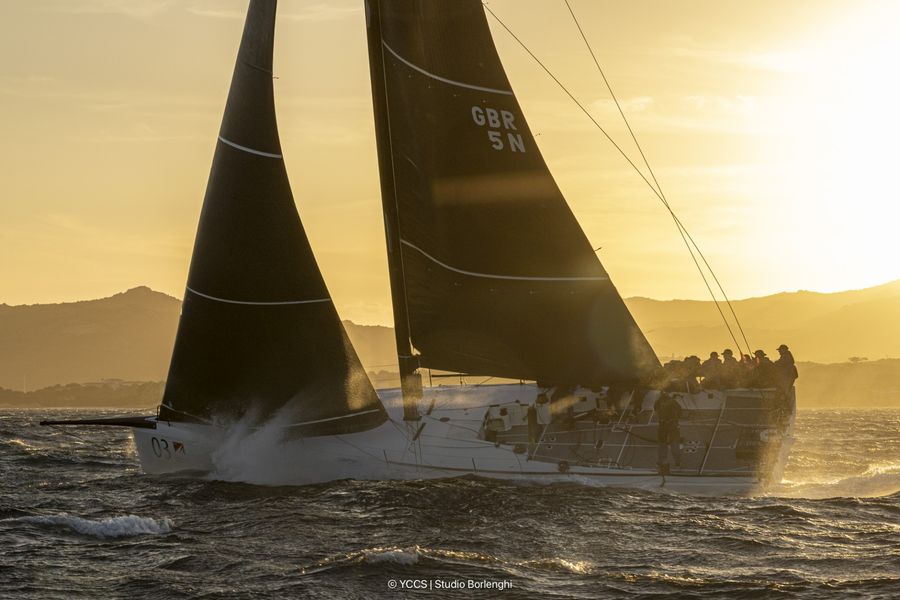
In SC1, victory went to Ino Veritas, the Royal Ocean Racing Club entry skippered by Dean Barker. Garm took line honours in SC2 with equal authority. Both boats raced continuously through the darkness as conditions gradually moderated from Mistral strength down to a steadier 18 to 20 knots, and both crews managed every manoeuvre with the care that offshore sailing at night requires. Barker was direct after crossing the finish line. "In such a complex race, that's the best you can hope for," he said.
Italian sailor Gabriele Olivo, sailing aboard Ino Veritas, had competed in a previous edition of the Sardinia Cup and came to this one with a clear sense of what it asks of competitors. He made no secret of his view of its character. "The Sardinia Cup has to be a complete challenge, requiring preparation, primed crews and boats that can compete even in strong winds," he said. The postponed start, the extended offshore leg and the intricate passages through the islands were not incidental features of the night. They were deliberate elements of a course built to expose the difference between thoroughly prepared teams and those who had left something undone. The conditions ensured that difference was fully on display.
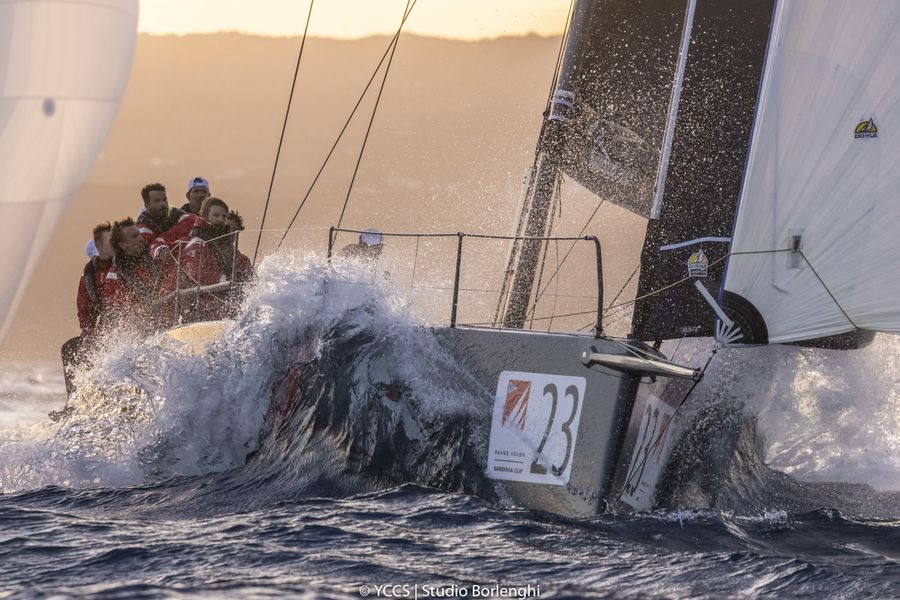
Roman brought a personal connection to the event alongside his competitive ambitions. His father had sailed these waters in earlier editions of the Sardinia Cup, giving the occasion an added layer of meaning. On the water, Garm moved ahead of their Swedish compatriots aboard Ran on the opening downwind leg and never relinquished that advantage, holding it with focused discipline all the way to the finish. Roman needed no elaboration when it came to the surroundings. "This is one of the most beautiful regatta courses I have ever seen," he said.
The offshore result has changed the shape of the team standings. The RORC has moved into the lead of the team competition, with the Yacht Club Costa Smeralda's Django team sitting second, backed by podium results from Django WR and Django JP. Windward-leeward racing is on the schedule for today with around 20 knots expected, and the gaps in those standings could look quite different by the time the regatta reaches its conclusion.
What the offshore race left behind was something beyond a set of results. It was the particular experience of a fleet heading out into open water as evening fell, crews settling into their routines for a night at sea with a complicated course ahead and no certainty about what the conditions might become. That is the version of sailing the Sardinia Cup was created to deliver.