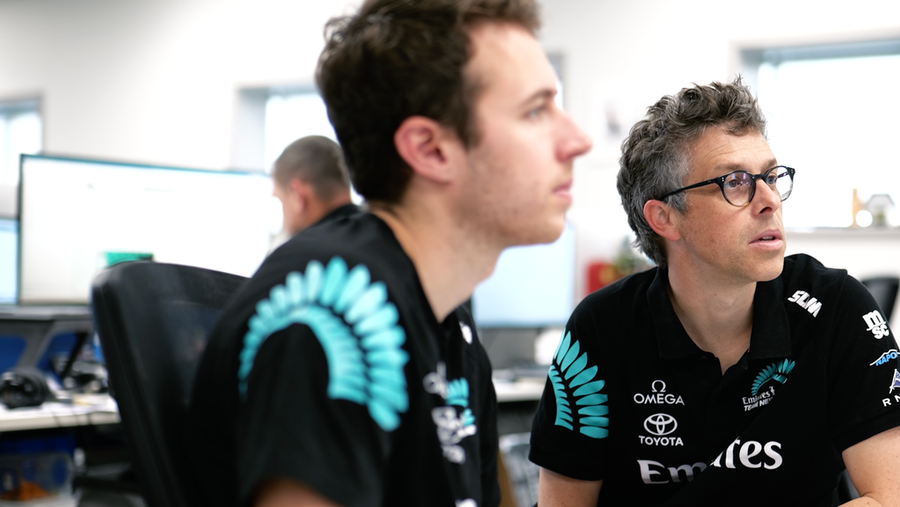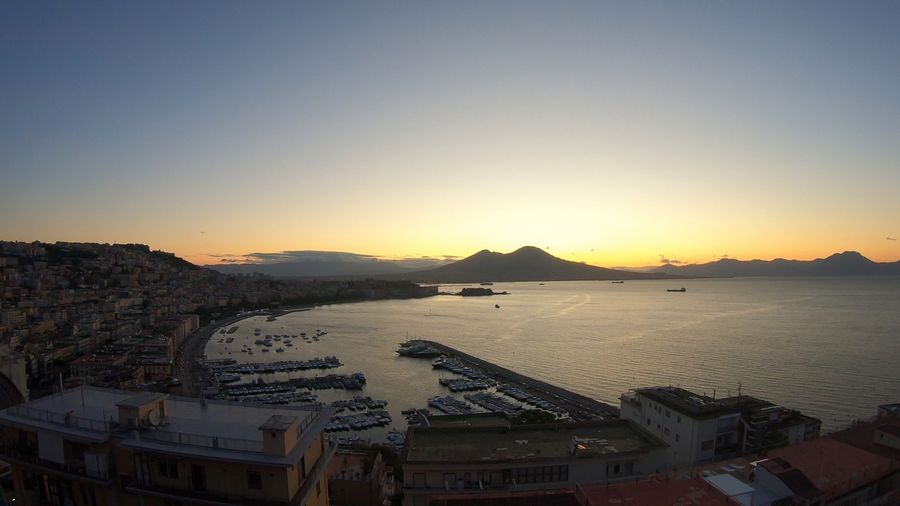
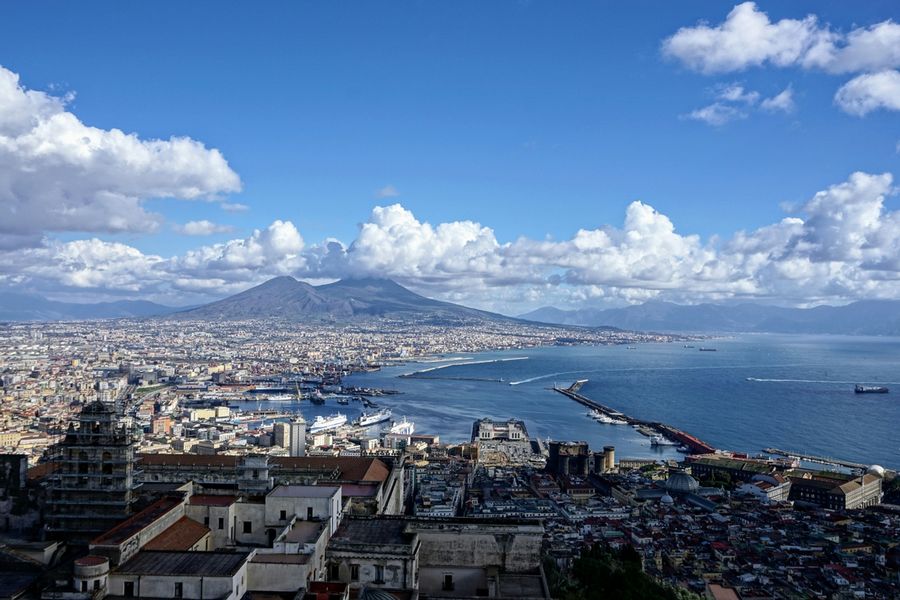
Four months living and working in Naples for the America's Cup will change a person. Choosing to base myself in the Spanish Quarters rather than somewhere more obvious turned out to be one of the better decisions I've made, because it handed me something no tourist itinerary ever could: the city in its unguarded state, moving through its days entirely on its own terms.

Naples does not permit distance. It draws you into its rhythm before you realise what's happening, and once it has settled into you, it becomes difficult to imagine anywhere else. The welcome extended to newcomers here has a particular quality, one that is genuinely hard to put into words until you have experienced it personally. Running through that warmth, more prominent than anything else, is the presence of the city's women.
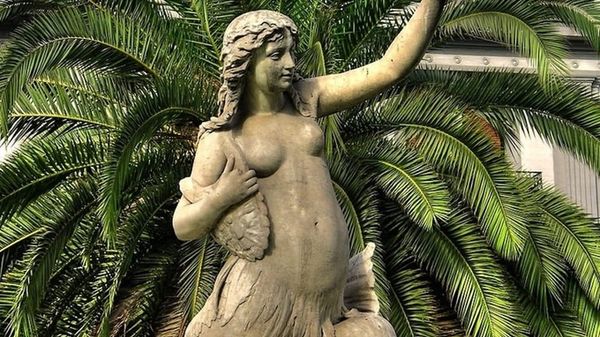
These are the women who constitute the real Naples. They work, they build, they raise children, they hold together households, streets, and whole communities. Where daily life in this city grows complicated, which it often does, these women meet that complexity with a determination so steady and undemonstrative that its true scale can take a while to register.
What has stayed with me most is how community actually operates here. No mother raises her children alone, and no child grows up without a surrounding web of care assembling itself naturally around them: grandmothers, neighbours, the friend from two floors up, the shopkeeper who has known the family for years. Parenthood and childhood are shared undertakings rather than private ones, and that distinction matters enormously.
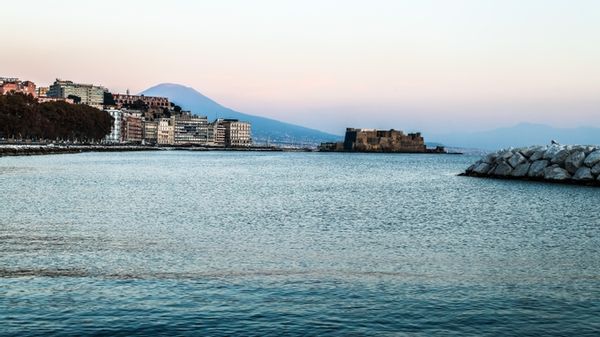
Neither seeking recognition nor making any declaration of itself, this kind of strength is what entire neighbourhoods depend on. Walking the narrow lanes of the Spanish Quarters every day, I gradually noticed something I hadn't expected: a quiet resonance between the city I was living in and the sporting world I had come here to work inside.
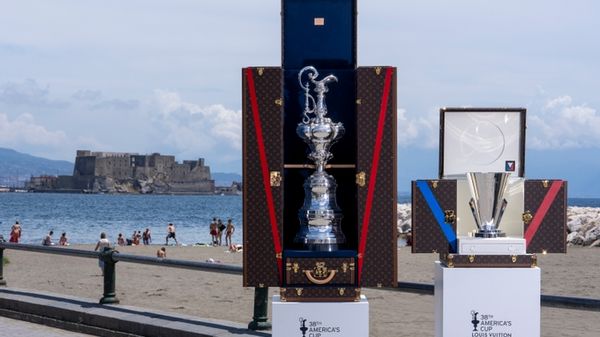
Naples ranks among the oldest cities in Europe. The Spanish Quarters date to 1536, and the walls around them carry centuries of history, hardship, transformation, and survival. The America's Cup carries its own substantial inheritance: 173 years of competition, innovation, and human ambition played out across oceans and through generations.

On the surface, these feel like two entirely separate worlds. Yet both hold something in common: the ability to change without losing what makes them distinctively themselves. If Naples embodies the accumulated weight of a very long past, the America's Cup represents the drive to imagine what comes next. Among the most significant changes currently unfolding within that sport is the growing role of women.
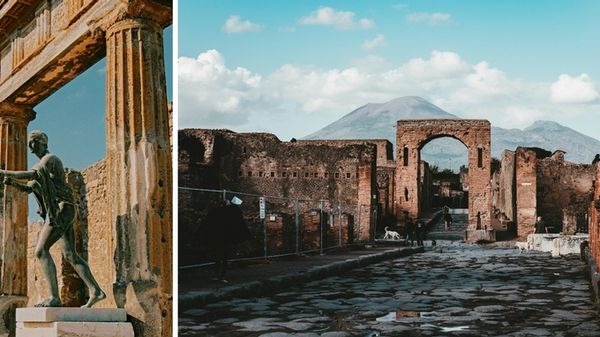
For the better part of a century and a half, the America's Cup was an almost exclusively male preserve. A genuine turning point came with the most recent edition in Barcelona, where the introduction of the Youth and Women's America's Cup marked something well beyond a symbolic gesture. It was a clear demonstration of what a new generation of female sailors carries in terms of talent, resolve, and competitive potential.
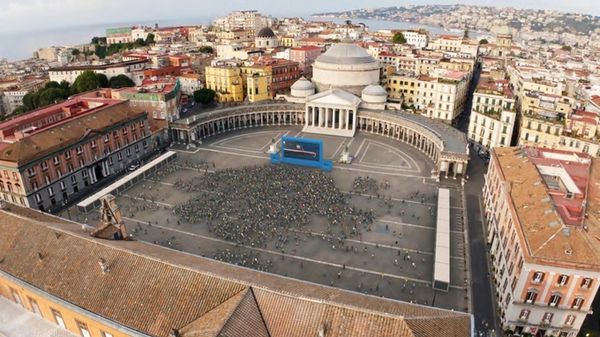
What started in Barcelona continues now. Women are no longer simply asking for a seat at the table; they are earning one through demonstrated competence, professionalism, and results. Their numbers are growing not only on the water but across design offices, engineering departments, communications teams, and positions of leadership. At every level of the sport, they are among those defining what it becomes.
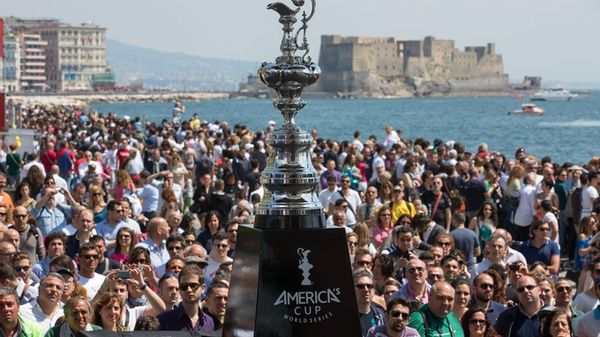
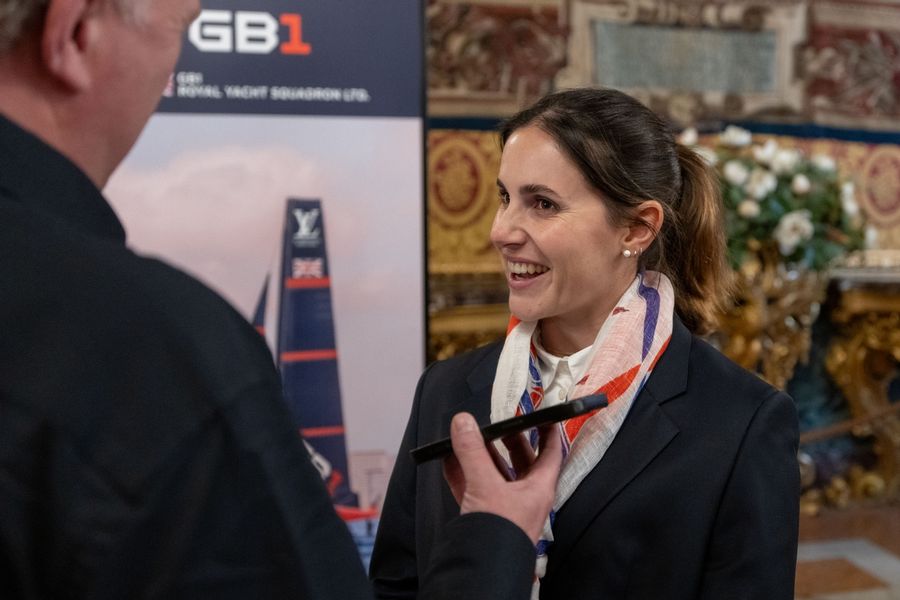
Over these past months I have had the opportunity to meet women from across the world working inside the America's Cup ecosystem. Different ages, different backgrounds, different areas of expertise, yet a common quality of determination runs through all of them. It is not a quality that announces itself loudly. It shows up in the work, in the commitment, in the ambition brought to every task.
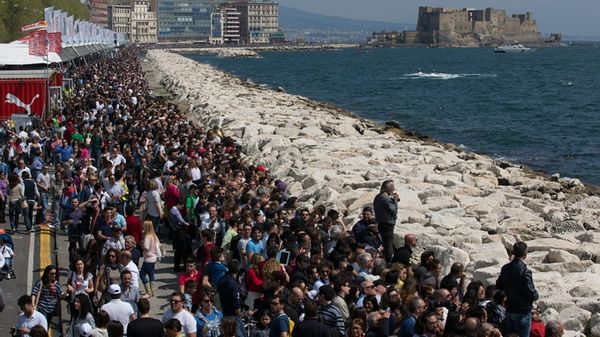
For all of these reasons, Naples strikes me as a deeply fitting city to host this next chapter of the America's Cup. Female strength here is not a recent priority or a newly adopted value. It is woven into the character of the place across centuries, inseparable from what Naples actually is.
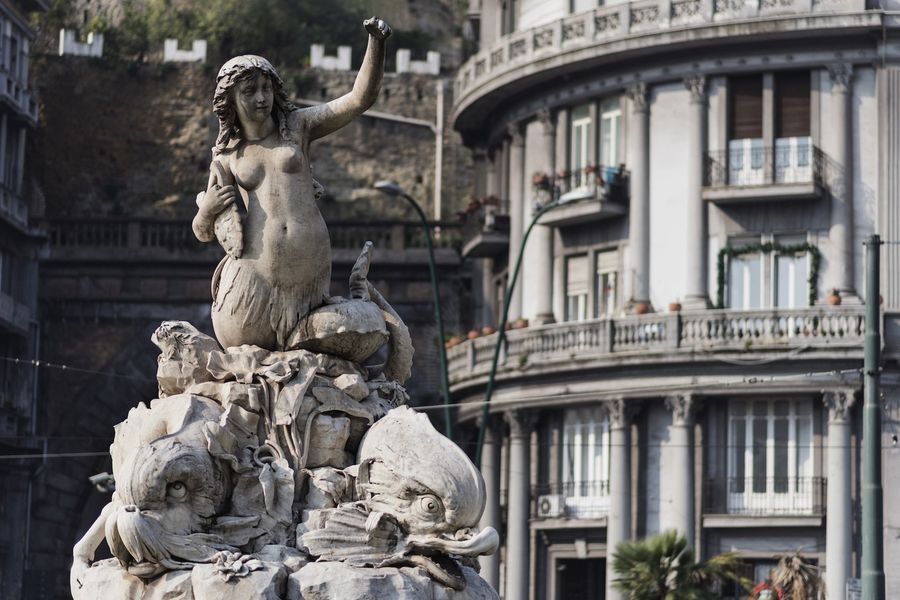
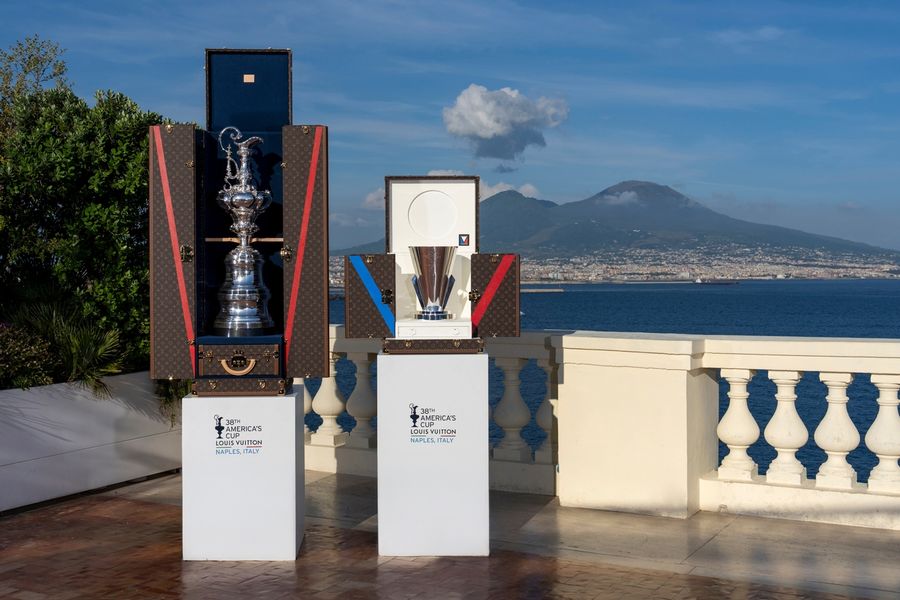
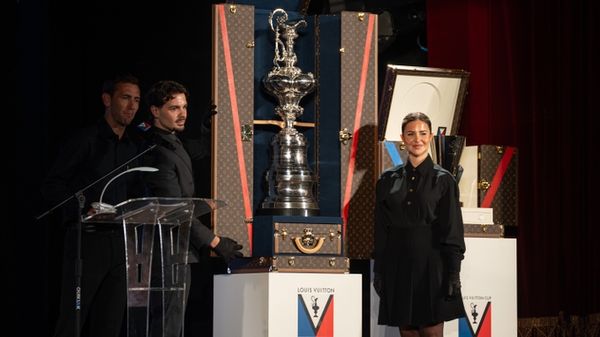
Between the narrow alleyways of the Spanish Quarters and the waterfront that will soon receive the oldest trophy in international sport, there is a thread connecting them. It is made from resilience, from adaptation, and from the persistent effort to open doors for whoever comes after.
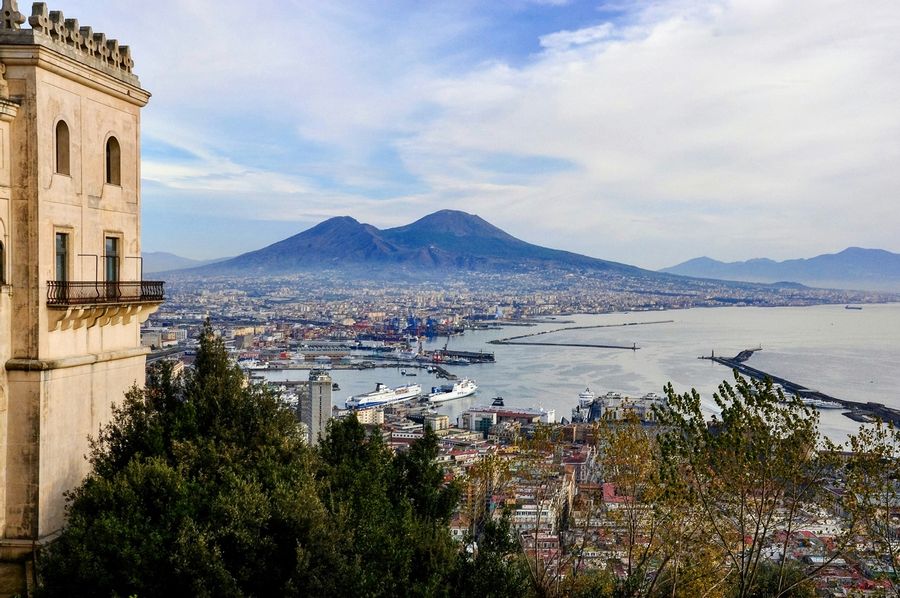
Perhaps the deepest meaning in the America's Cup coming to Naples lies precisely there: the meeting of a city long shaped by the strength of its women, and a sport that is finally learning to embrace that strength fully.
Viola Devoti, Content Creator