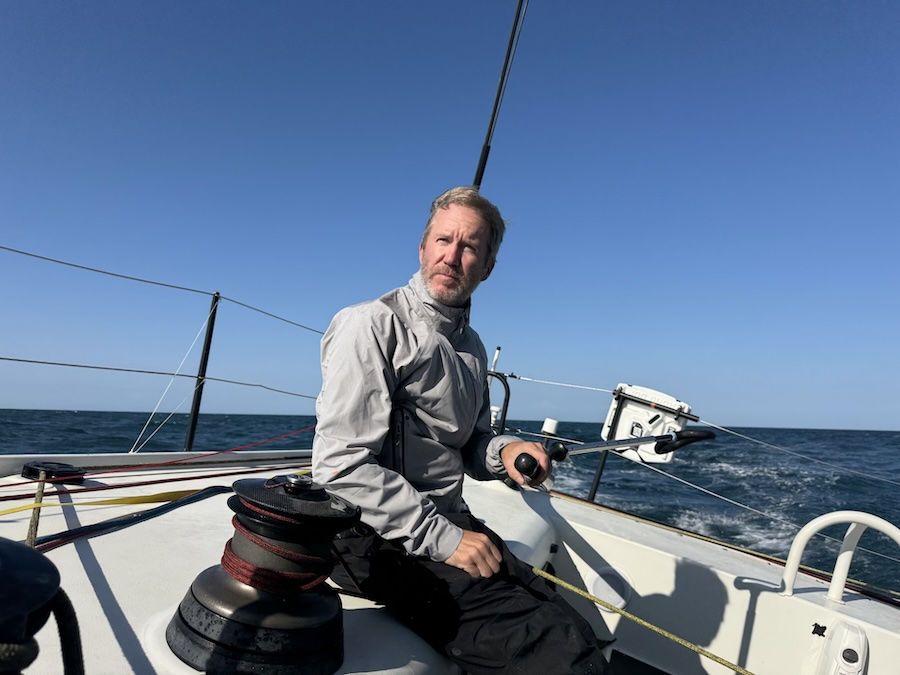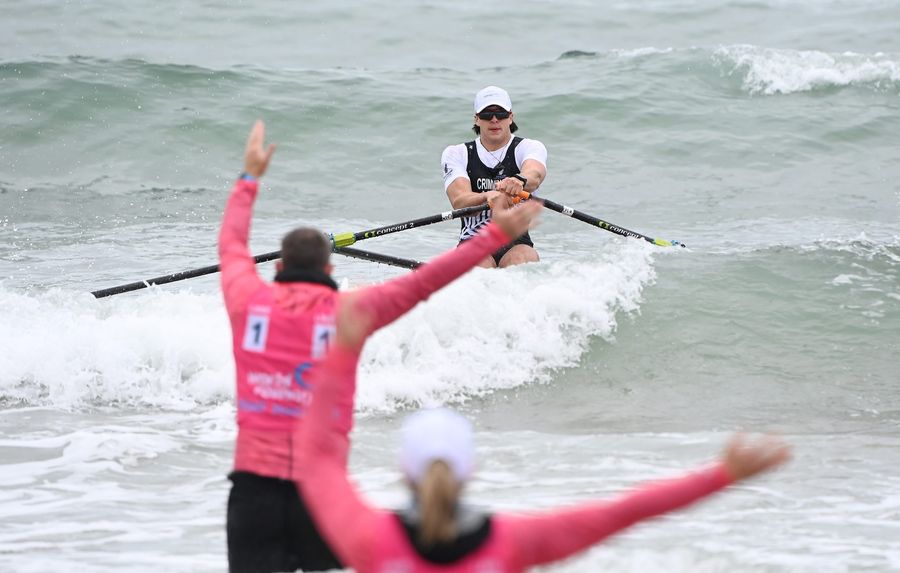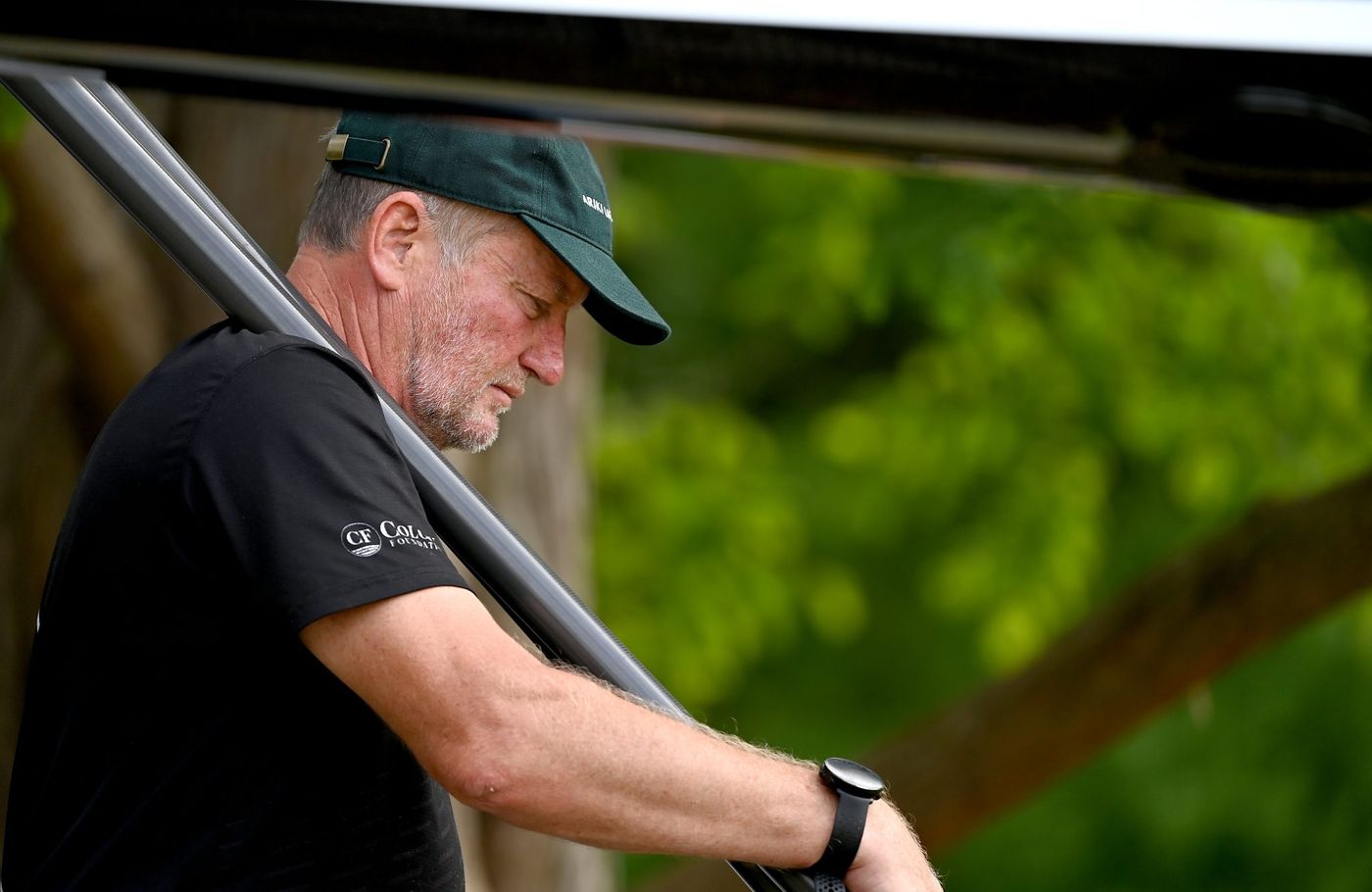
What began as a casual favour to an old friend has grown into one of the more quietly notable coaching careers in New Zealand rowing. When Mike Rodger agreed to help Rob Waddell prepare for the 2008 Beijing Olympics, there was no vision of where it might lead. Nearly two decades later, the ledger reads four Olympic medals, seven World Championship medals, and more than 20 World Cup medals.
The return itself was unusual. After his competitive career wound down, Rodger had coached juniors at Waikato Rowing Club and worked with school crews for a spell, then stepped away from the sport entirely. A business that needed attention and a young family that needed more pulled him in a different direction. "I actually stopped coaching in 2000 as I had a young family and a business and did nothing again until 2008," he says. "I came back on the basis of helping Rob Waddell out occasionally, which turned from a casual arrangement into a pretty serious return to coaching."
Those eight years away from the sport did nothing to diminish the foundations he had built as an athlete. A silver medal in the lightweight men's double sculls at the 1994 World Rowing Championships and a place at the 1996 Atlanta Olympics represented the highlights of his competitive career. That background as a sculler would later prove useful, giving him a technical perspective that sharpened what he saw and how he communicated it. The return to coaching unfolded at its own pace, with no shortcuts.
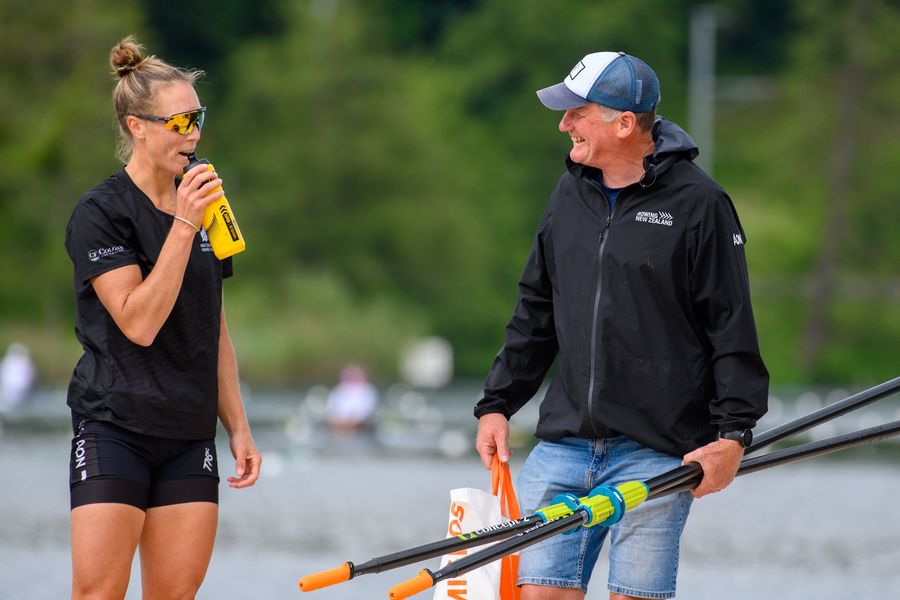
A Rowing New Zealand Regional Performance Coach role arrived during those early years back, and by 2010 he had moved into the elite programme. The coaching philosophy he built over that time puts patience near the top of the list of virtues. He is generous in acknowledging the coaches who shaped him, naming Harry Mahon and Sam Le Compte as formative influences from his own rowing days. "Your basics of coaching come from the people who coached you," he says.
No working relationship better reflects the depth of that philosophy than the one he developed with Emma Twigg. She came to Rodger in 2018, returning to the sport after stepping back following Rio, and what they built together produced real results. Olympic gold in Tokyo and silver in Paris followed, cementing both her place in the sport's history and his own. He draws real satisfaction from work that attracts far less attention too, including the technical puzzles that come with coaching different boat classes and the progress of athletes who may never stand on a podium but are becoming measurably better regardless. Across singles, doubles, quads, and fours, coached simultaneously at various points in his career, he has found distinct reward in each.
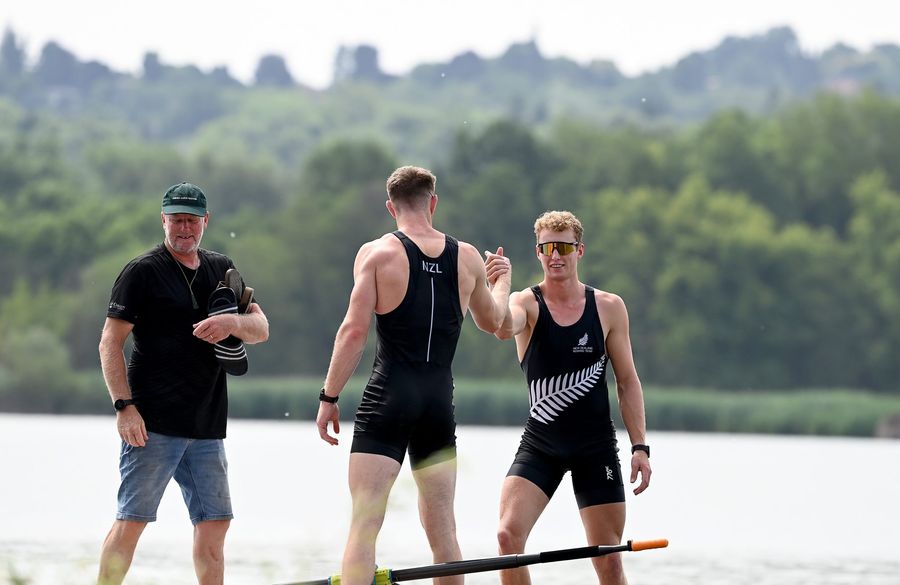
Central to what Rodger values most about coaching is the story of Ben Taylor and Oli Welch. He was part of their development from the early stages, and seeing them win the men's pair world title in Shanghai last year, then open 2026 with gold at World Cup I in Seville, has given him particular satisfaction. "When you get young athletes coming through and developing to where they are and then becoming world champions, that's probably what we all aspire to," he says.
He has no interest in pretending that winning does not matter. Medals are part of what coaches work towards, and he says so plainly. But results alone do not define how he measures the worth of his work. Bringing a crew up through the world rankings carries genuine meaning, and so does the longer, harder task of shaping the character of the people in the boats. "We all want to win medals, but at the end of the day it's also about helping people become the best athletes, rowers and human beings they can be," he says. "Good people become great people in society, and that's something I try to contribute to every day."
A new Olympic cycle finds him focused and energised, with young athletes progressing through the programme and more to pass on than ever. Two decades of coaching added to a competitive career at the highest level have taught him above all that none of it can be rushed. "To be fair, it just takes patience and time. We all start coaching thinking we can change the world, but actually it takes time to learn your trade."