More than 50 marine industry leaders gathered at Metstrade on 16 November for the second edition of the Marine Impact Lab, focused on making the financial and operational case for sustainability rather than treating it as purely environmental compliance.
The Lab debuted at Metstrade in 2025 and is delivered by Marine Futures, Foxall Munro and Metstrade, with support from 11th Hour Racing. This year's event split participants into two workshop tracks: one addressing organisational messaging and stakeholder engagement, the other examining product design decisions that lock in environmental impact.
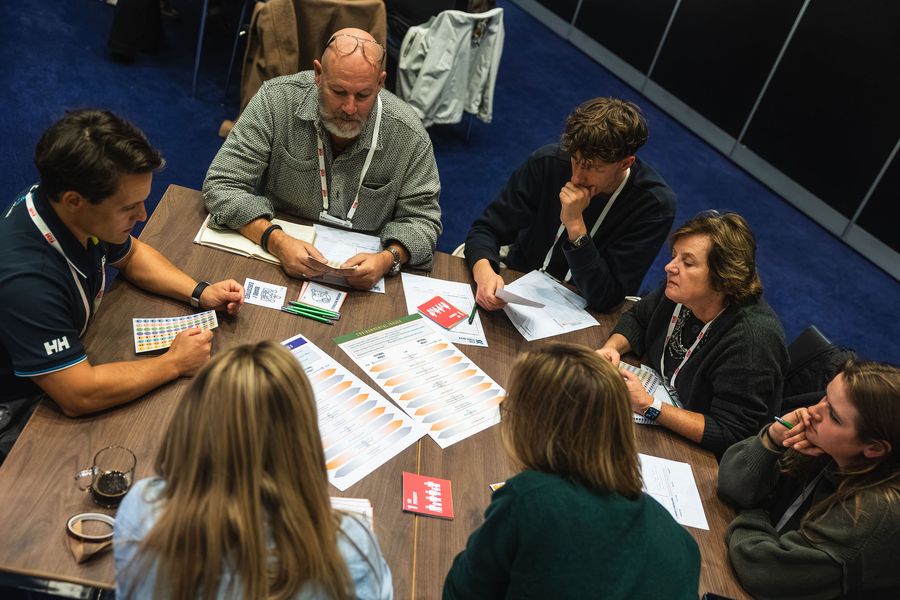
The Organisation track, led by Foxall Munro's The Toolbox team, centred on reframing sustainability around business-value terms including resilience, risk, reputation, efficiency and innovation. Participants worked through ISO-based stakeholder engagement methodology to identify material issues and practise pitching sustainability to different audiences.
In a round-table on "Blue Economy – Financing the Future," Rick Wall founder of OCEANOVATION and RAI's Business Innovation Manager urged marine innovators to "learn the language of investors" and frame sustainability around business outcomes rather than environmental terminology alone. The discussion drew particular interest from participants in the DAME Design Awards and Yachting Ventures Start Ups programmes, whose success depends on demonstrating sustainable value to backers.
The Product track addressed resource dependency, volatile material costs and supply chain constraints. Participants were told approximately 80% of a product's environmental impact is determined during the design phase, reinforcing the value of early measurement.
Marine Futures' "Eco-Design Simulator" draws on real boat designs and lifecycle assessment data from MarineShift360 and put participants through iterative design decisions on materials, performance and construction to develop a winning eco-design race boat. The tool models measuring, learning and improving throughout development.
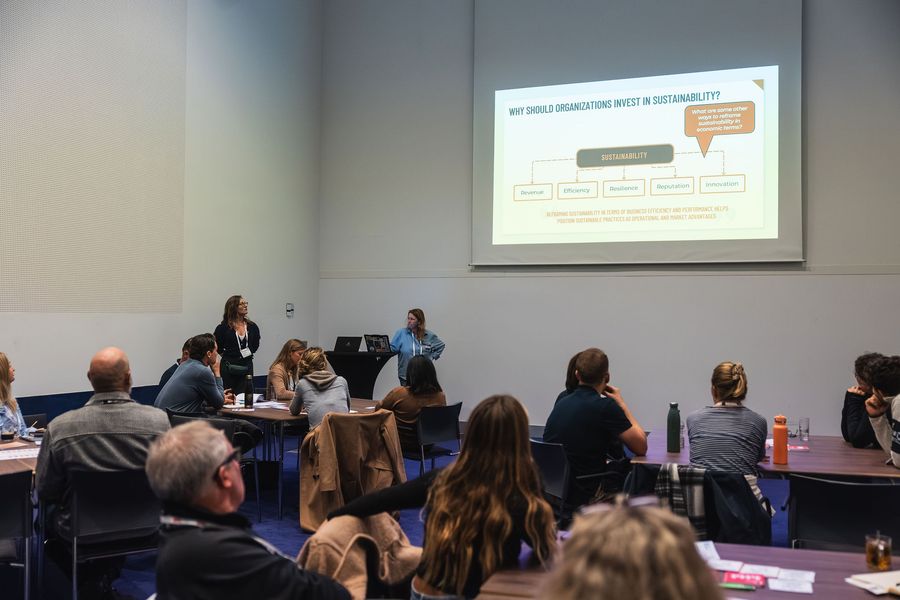
Open-forum discussions covered Digital Product Passports for composite recycling, electrification lessons from automotive, and whole-system approaches to alternative propulsion. The day concluded with a happy hour sponsored by the St. Maarten Heineken Regatta.
MarineShift360's free impact accelerator programme, offering lifecycle assessment services, remains open for applications until 31 December. The Toolbox is available year-round at sustainabilitytoolbox.com, giving builders and designers a standing route to the kind of early-stage measurement the Lab's sessions argued for.