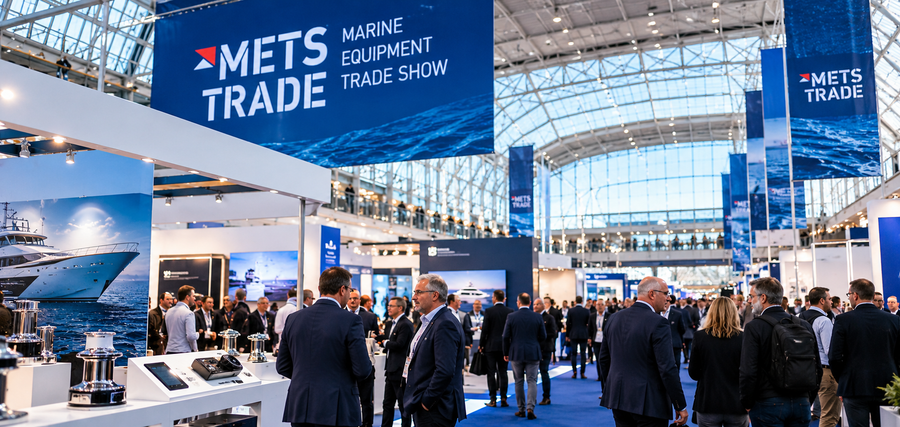

Boatbuilders and marine manufacturers will confront the compromises between performance, cost and environmental impact at Marine Impact Lab 2026, returning to RAI Amsterdam on 16 November.
The afternoon programme, held the day before Metstrade opens, centres on two practical workshops designed to move sustainability discussions from aspiration to operational reality.
Marine Futures leads a Sustainable Design Principles session built around an Eco Design Challenge Simulator. Participants select materials, propulsion and energy systems for virtual vessels, then race their designs against others. According to organisers, the simulator draws on real boat designs and lifecycle assessment data from MarineShift360, examining environmental impacts from material production through construction, operation and eventual disposal.
The exercise offers a way to test choices without building expensive prototypes, though how directly the findings translate to production decisions depends on the underlying data and how closely simulated designs match real-world vessels.
A second workshop, Selling Sustainability, addresses a persistent manufacturer concern: justifying spending on improvements without immediate financial returns. Led by Foxall Munro, the session introduces The Toolbox, a free platform for planning and managing sustainability initiatives. The workshop covers setting priorities, engaging suppliers and stakeholders, developing implementation plans and building business cases for environmental improvements.
For smaller boatbuilders, material changes can affect tooling, production costs and supplier relationships. New technology may require staff training, different processes or additional testing. The workshop is designed to help businesses work through these practical questions rather than simply encouraging adoption.
Organisers announced three additional contributors on 5 November: Patrick Hemp of ICOMIA, Yann Herriot of ePropulsion and Rick Wall of RAI Amsterdam and OCEANOVATION. They join previously announced participants including Dr Susie Tomson, Veda Pretorius, Dr Pascal Gallo of Composite Recycling, Alessandro Stagni of nlcomp and Paolo Manganelli of Gurit.
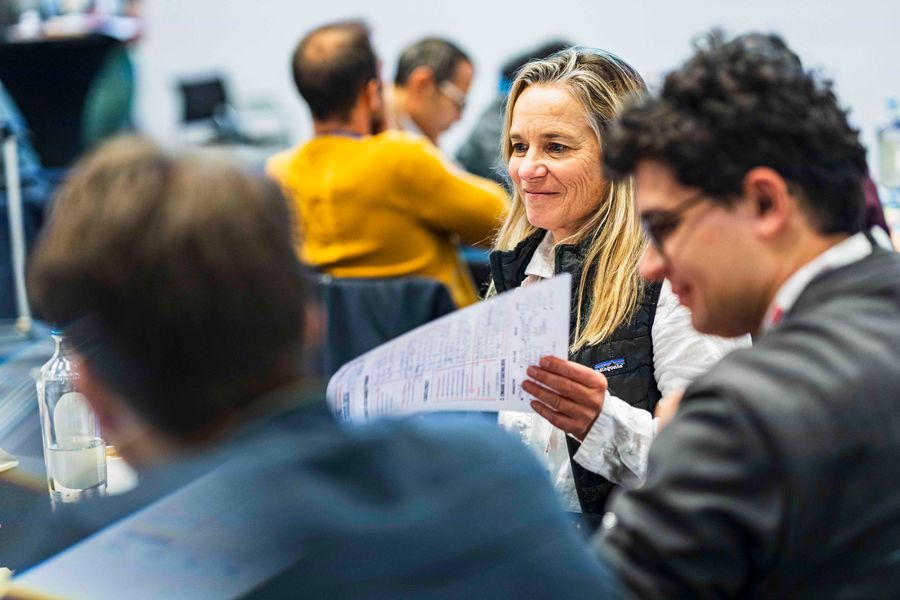
Eight Topic Tables will allow attendees to discuss specific challenges with industry specialists. Subjects include composite recycling, electric propulsion, regulation, environmental reporting, sustainability finance and attracting new marine industry professionals.
Composite recycling remains particularly relevant to boatbuilders. Fibreglass has served the industry for decades, but waste disposal is difficult. Recycling technologies are developing, though costs, processing requirements and facility availability limit practical use. Electric propulsion raises questions around battery production, charging infrastructure and system suitability for different vessels.
Marine Impact Lab debuted at Metstrade in 2025. This year's programme runs from 2pm to 5pm on 16 November, followed by networking until 6pm. Admission costs €100, with separate Metstrade registration required. The combined cost for new registrants is €190, as free exhibition registration closed on 1 November.
Support for Marine Futures and Foxall Munro's involvement comes from 11th Hour Racing. DAME and Yachting Ventures are helping connect the event with marine innovators and start-ups.