New Zealand's paddlers now have a firm date for their diaries: 9 October 2026. That's when a nationwide requirement to wear a properly fitted lifejacket on recreational craft of six metres or less comes into force, and for the canoe racing community, it's a change worth preparing for now rather than later.
Parliament has passed the Maritime Transport (Lifejackets on Recreational Craft) Amendment Bill. The requirement takes effect 28 days after Royal Assent, landing on 9 October 2026.
The old rule only required lifejackets to be carried aboard, with some regions running their own bylaws on top of that. The new law scraps that patchwork. One national standard will apply everywhere: lakes, rivers, harbours and coastal waters.
It covers jet skis, dinghies, sailboats, kayaks, paddleboards and motorboats. Anyone underway on a craft six metres or under will need a lifejacket on, properly fitted, regardless of age or experience.
Boats over six metres are treated differently. Lifejackets must still be carried for everyone aboard, but worn only when conditions turn risky, such as stormy weather or rough seas. The skipper carries the responsibility for making that call.
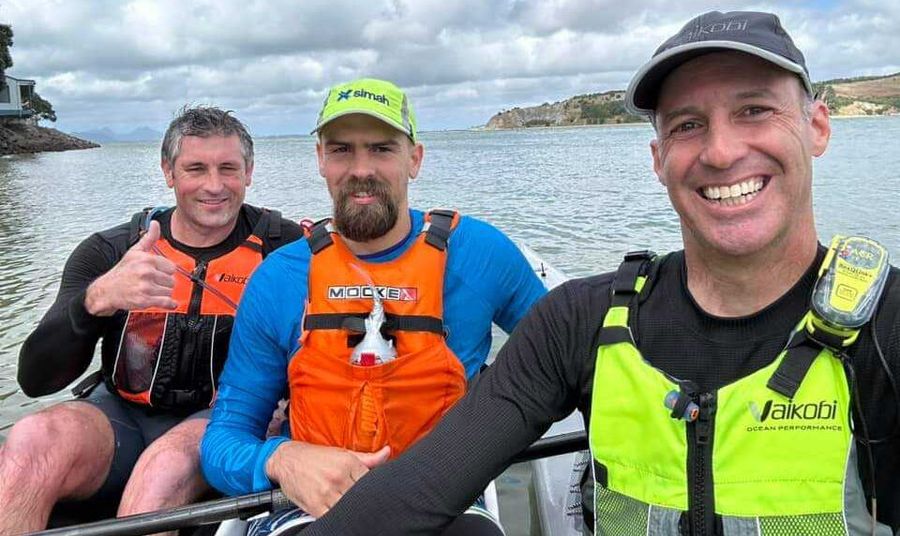
For kayakers and paddlers, there's no such discretion. Anyone on a craft six metres or less must wear a correctly fitted lifejacket at all times while paddling, whatever their skill level, craft type or waterway. That applies to club sessions, independent paddling and every Canoe Racing NZ Performance programme activity.
Fit matters as much as the law itself. A lifejacket needs to meet an approved standard, be in serviceable condition, and actually suit the paddler's size and the activity underway. Clubs and paddlers should check their gear well before October, rather than leaving it to the last week.
There is a possible exemption pathway, but it isn't open to anyone yet. National Sporting Organisations can apply to Maritime NZ for an exemption under Maritime rule 91.4, provided training or events run under a safety system the Director of Maritime NZ has approved as offering an equivalent level of safety.
No sport in New Zealand currently has such a system in place.
Canoe Racing New Zealand is working with Maritime New Zealand on a national safety system that CRNZ and CRNZ-affiliated clubs could adopt for organised group training, should the Director sign it off. The aim is a practical, evidence-based framework that reflects the unique nature of the sport while maintaining high safety standards. It remains under review by the Director of Maritime and carries no legal standing until formally accepted by the regulator.
Until then, the message from Canoe Racing NZ is straightforward: comply with the new rules once they land on 9 October, and don't wait on an exemption that doesn't yet exist. Clubs and members will be kept updated as the safety system work progresses.
Further detail, including answers to frequently asked questions, is available through Maritime NZ's lifejacket rule guidance.