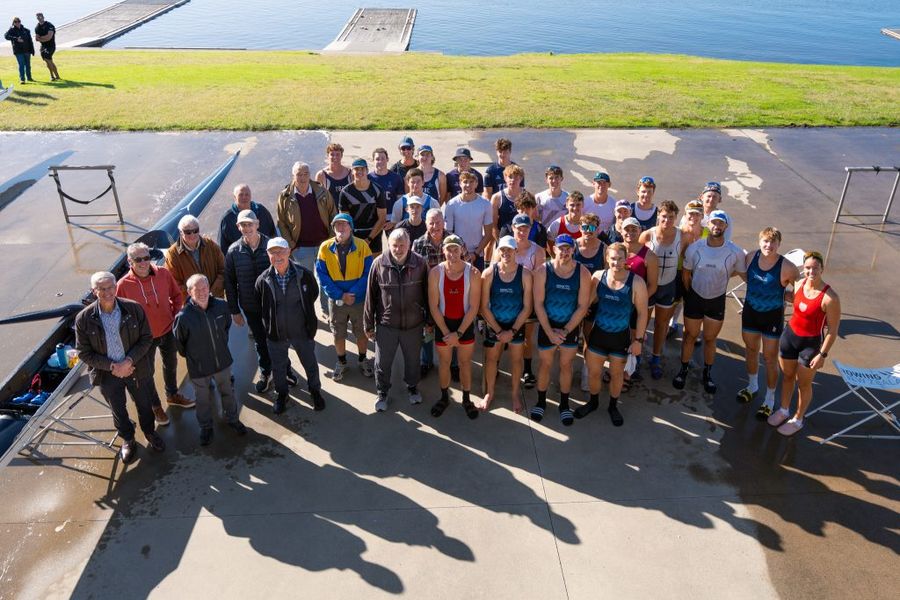
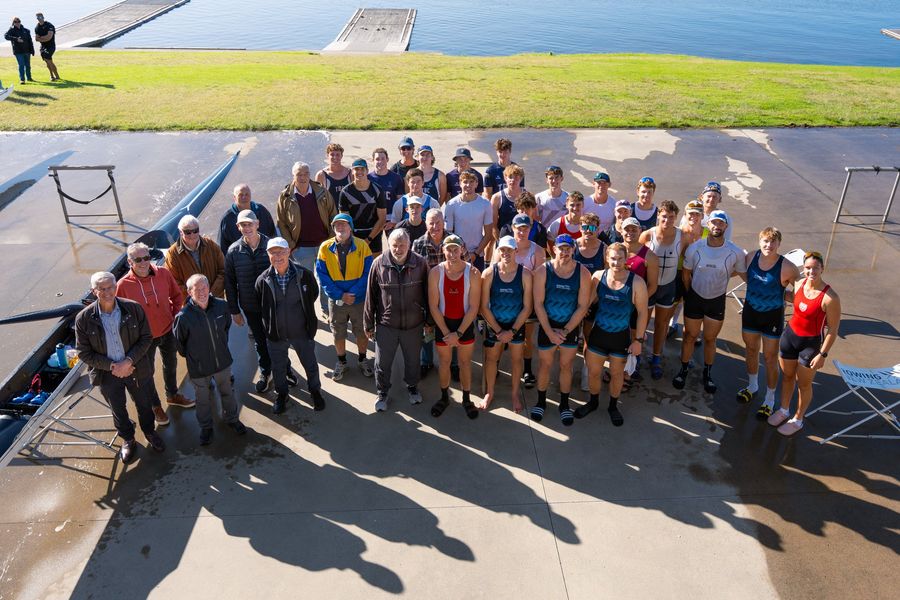
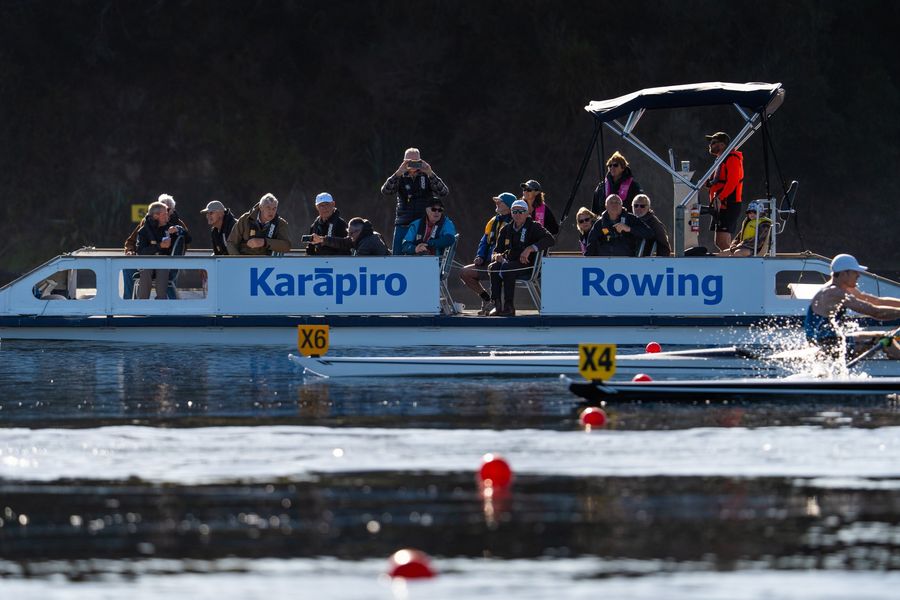
Fifty years after New Zealand's rowers competed on the Notre Dame Island course in Montreal, thirteen of the eighteen athletes from the 1976 Olympic squad returned to Lake Karapiro for the Winter Series. Standing together on the barge, something none of them had quite anticipated stirred back to life. The old competitive fire, the same instinct that had once set them against each other, flickered unmistakably between them.
The 1976 nationals had been anything but a genteel affair. Avon, a South Island club making its nationals debut at Karapiro, arrived with an unusual weapon: a six-foot-six former oil rig worker from America named Gordon Scott. Before a single race had been rowed, the crew staged a piece of deliberate theatre at their motel, chaining Scott behind the kitchen. When Lew Wilson came to introduce himself, Scott pulled against the chain and growled. The psychological damage was done before competition had even begun.
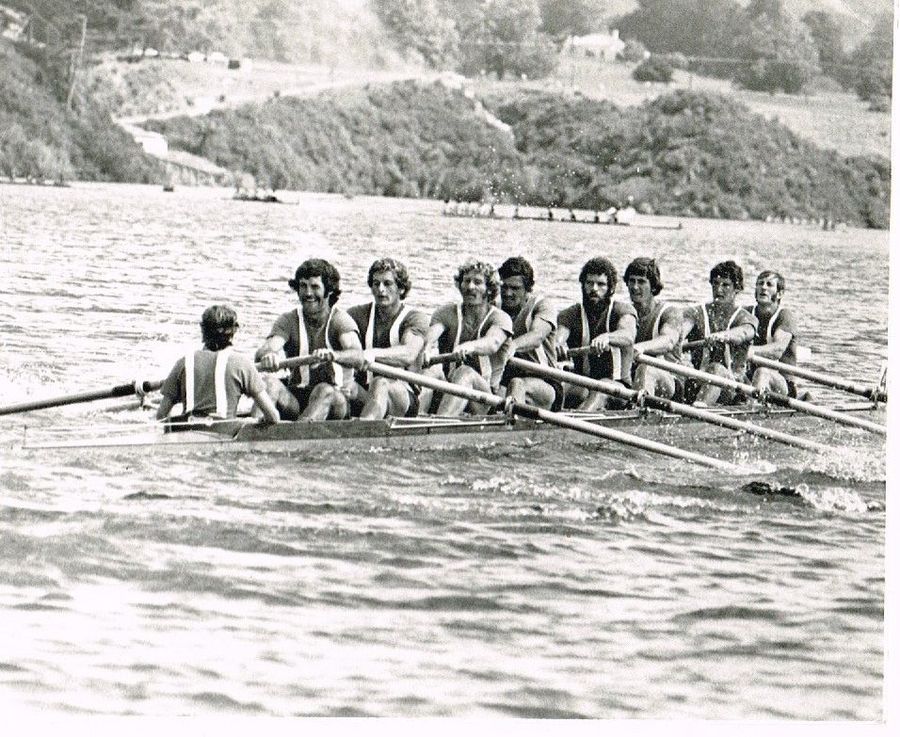
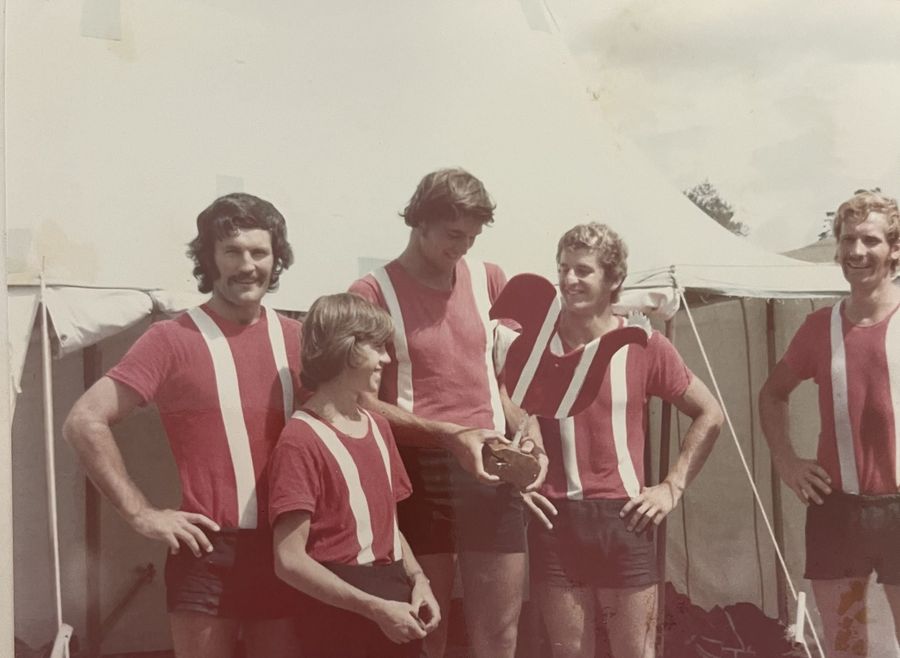
Dave Lindstrom has not tired of the story. "You should have seen the look on their faces," he says. What followed the next day wrote itself into the record books. Avon became the first South Island crew to win the Men's Championship Eight, though stroke Trevor Coker endured a crisis his crewmates knew nothing about. About 400 metres from the start, his left side simply stopped working. Rather than abandon the race, Coker adjusted his swing to hold his timing and rode out the crisis. Feeling returned around 500 metres from the finish, and Avon crossed the line first. His closest friend Athol Earl, who had rowed alongside him since 1971, did not learn what had happened until after the result was secured.
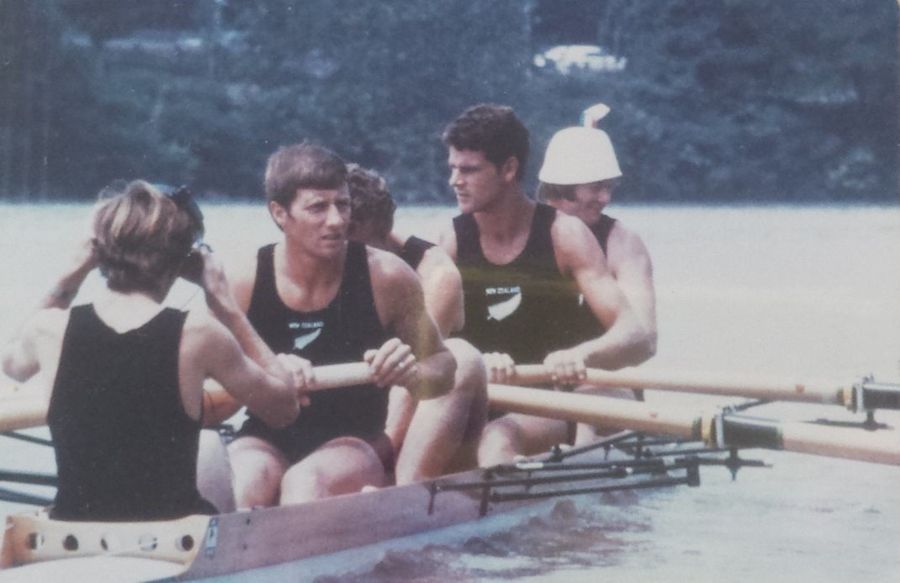
Coker had already won gold at Munich four years earlier, and was heading to Montreal as stroke of the eight.
Petone had made an equally strong impression at those same nationals. Entirely self-coached, guided by instinct rather than instruction, they had been in extraordinary form that March, claiming three Red Coat events at a single regatta. Viv Haar and Ian Boserio won the Coxless Pair. Des Lock and Tim Logan took the Coxed Pair. All four then combined to win the inaugural Coxless Four. Twenty-three years had passed since Petone had last won a Red Coat event.
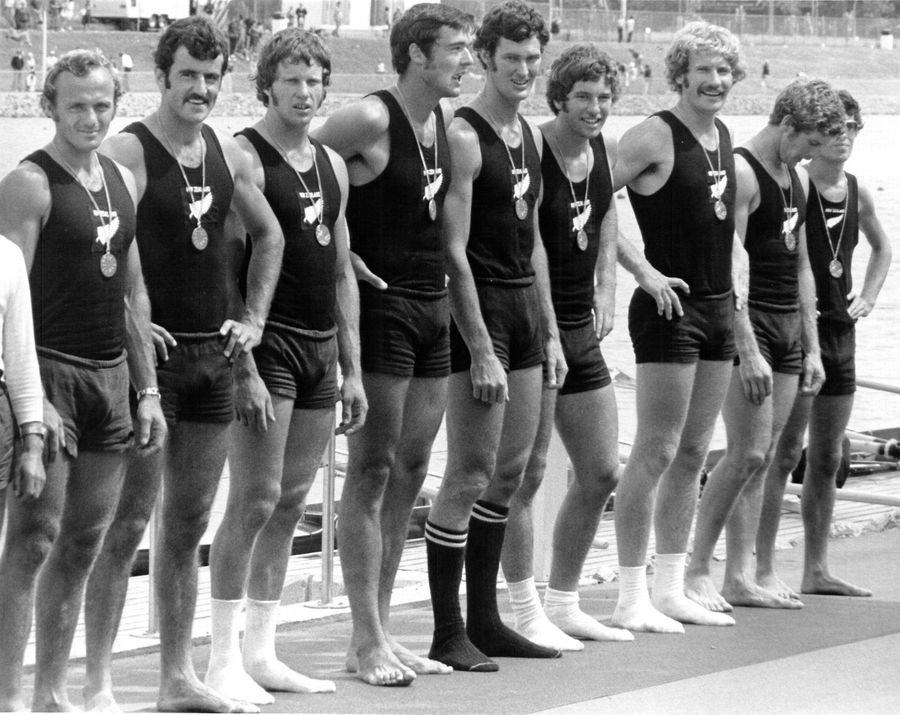
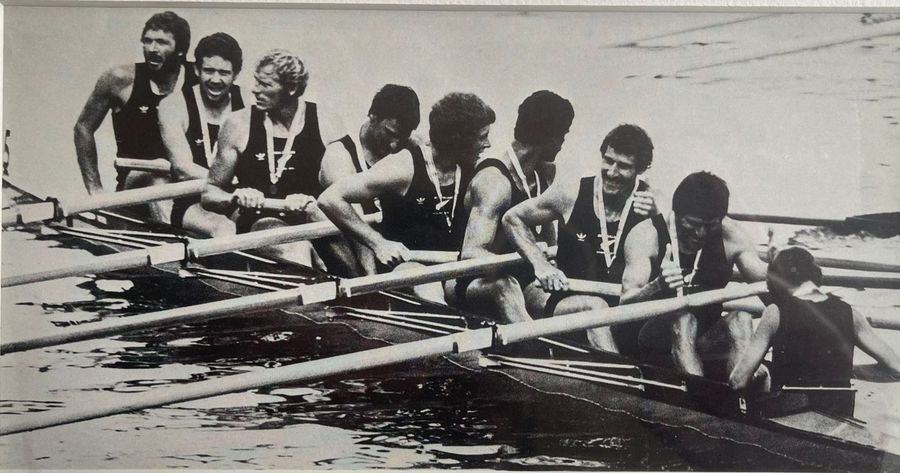
The quality spread across the three leading clubs left Fred Strachan, Convenor of Selectors at the time, with no room for ambiguity. "Any one of them, with no changes, could have qualified for an eight-oared final in a world championship or Olympic Games," he told the Christchurch Press.
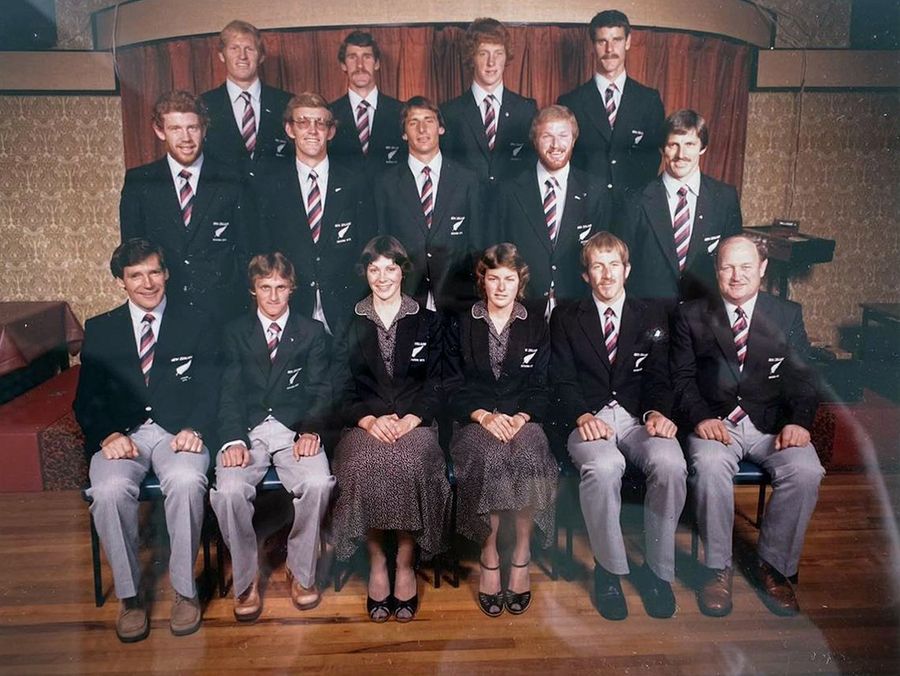
Half a century on, gathered again at Karapiro, neither the warmth nor the competitive edge between these men had entirely softened. The Avon contingent made sure no one forgot their three-peat in the coxed four that season. The Petone group, clustered at the back of the barge, still carried that same unpredictable energy. Grant McAuley, who had rowed in the coxless four, was gravely ill at home in Waitara and unable to make the trip. The rest watched the current Elite and U23 crews work their way down the course, their long rivalry finally, and quietly, laid to rest.