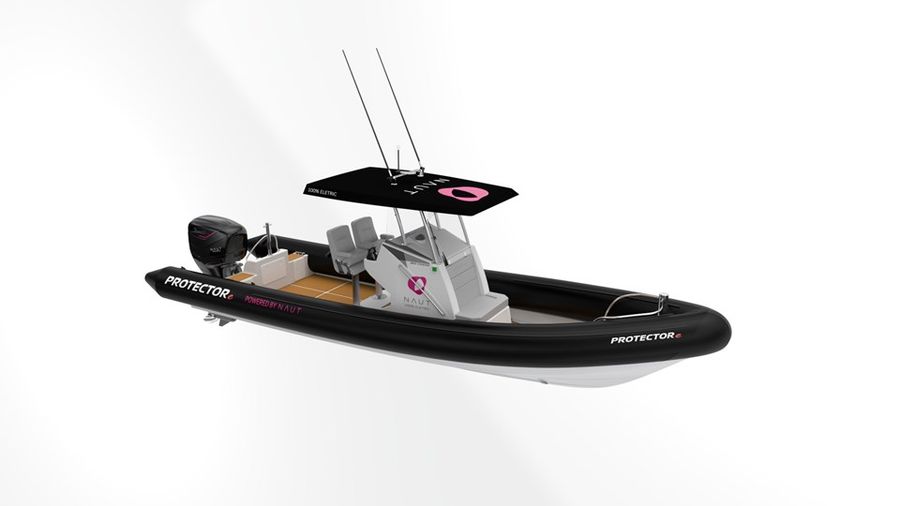
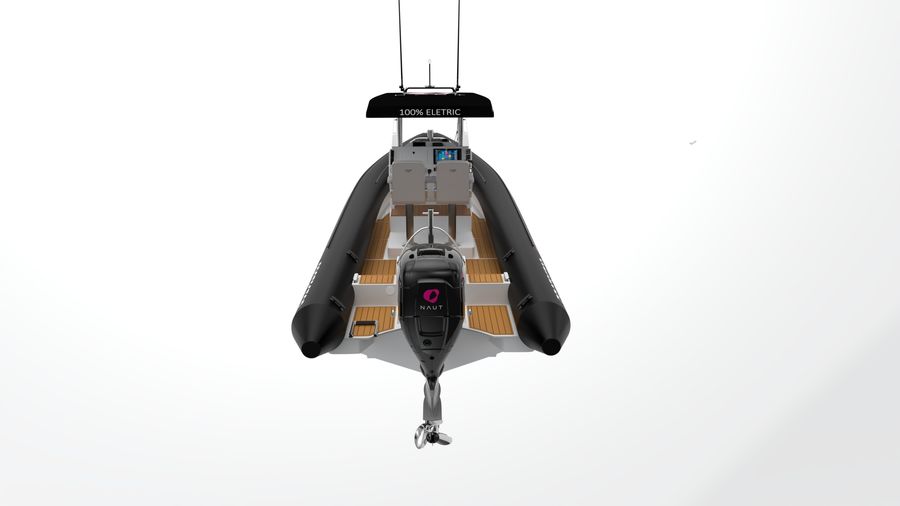
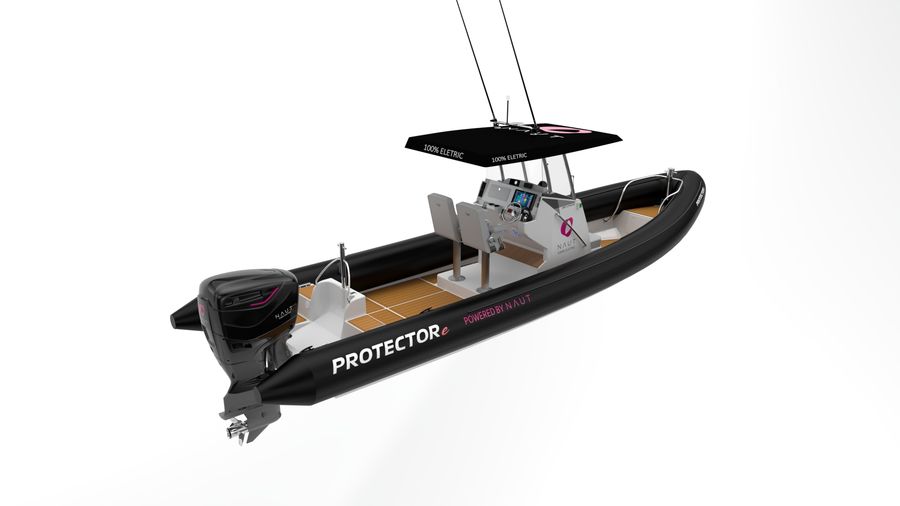
A New Zealand electric propulsion company has joined forces with Rayglass to build the first-ever electric Protector, pairing one of the country's most respected RIB hull designs with what Naut believes is the world's highest-horsepower commercially available electric outboard.
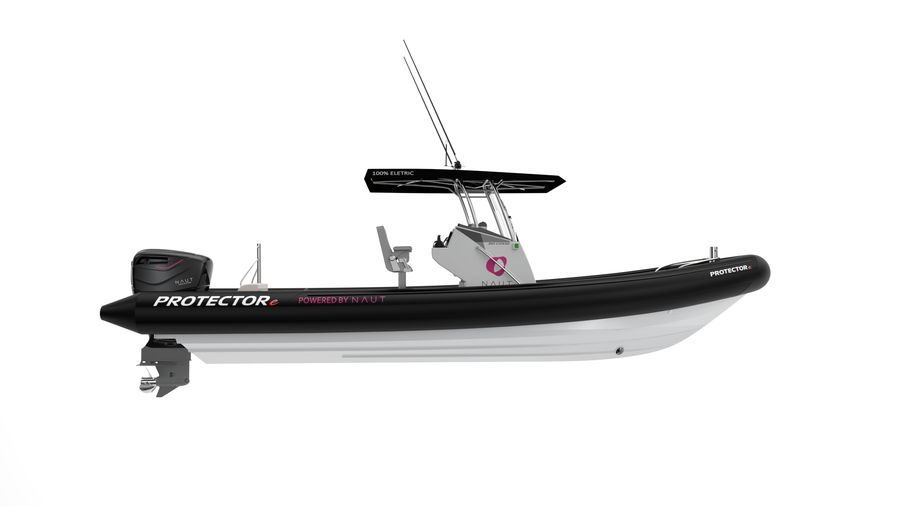
The vessel is a 310 Chase designated the ProtectorE. It carries everything the Protector range is known for: advanced hull design, class-leading capability and tough construction. Propulsion comes from Naut's Kaha, a 100% electric outboard producing 300hp continuous and 525hp at peak.
Naut CEO Fiona Bycroft explains the partnership with a story. She has visited the Rikoriko Cave at the Poor Knights Islands twice. The first time, arriving by conventional vessel, "the cave filled with noise, fumes, and the connection with the ocean was destroyed." The second time she was aboard an electric vessel. "It was one of the most spectacular experiences I've ever had. It was just us and the sounds and smells of the ocean."
"Sailors immediately get the benefits of electric because they're used to moving with no sounds or fumes," she adds. "The Protector Chase is the gold standard chase boat in the sailing world. It's great to have that connection."
On the cultural fit with Rayglass, Fiona is direct. "We've been talking to Dean [Rayglass CEO] for a long time and Naut and Protector are just a perfect cultural/people match. We see Rayglass and Protector as an innovative Kiwi company, the type of business we love to work with."
Naut's origins lie in a project undertaken through McKay, one of New Zealand's largest electrical contractors, where Fiona worked alongside Managing Director Lindsay Faithfull. McKay was engaged to build the propulsion and power systems for the first electric ferry in the Southern Hemisphere, for Wellington. That vessel, Ika Rere, carries up to 132 passengers on a route between Wellington CBD, Days Bay and Matiu/Somes Island.
After that project, a boat builder asked McKay whether an electric outboard powerful enough to plane a boat existed. Nothing was available, so McKay built one. "The customer was happy with what we built. We were happy. But we knew it could be better and there was clearly a gap in the market. So we thought, why don't we solve it?" Over the following five years, Fiona and Lindsay developed and refined their product, eventually producing the Kaha outboard.
The Kaha's batteries are fully configurable, letting users add capacity for greater range or power. There are fewer moving parts than a combustion engine, no fuel systems, and servicing is more predictable. Charging works at home or through existing marina infrastructure.
Fiona is candid about where the technology fits right now. "We are always up front. We want to understand how you'll use your boat. What do you want to do. If it's not a fit, we will suggest waiting for the technology to advance further. But there are so many applications where electric is better." Current ideal users are those running known, repeatable routes: water taxis, eco-tourism operators and superyacht tenders. As the technology develops, suitable use cases will grow.
The ultimate goal is straightforward. "Once people see what's already possible, and have the same experiences that we have, we hope that more boaties will choose electric. Because ultimately it's more enjoyable for them, and they're doing less harm to the ocean, and the special places they go to enjoy."