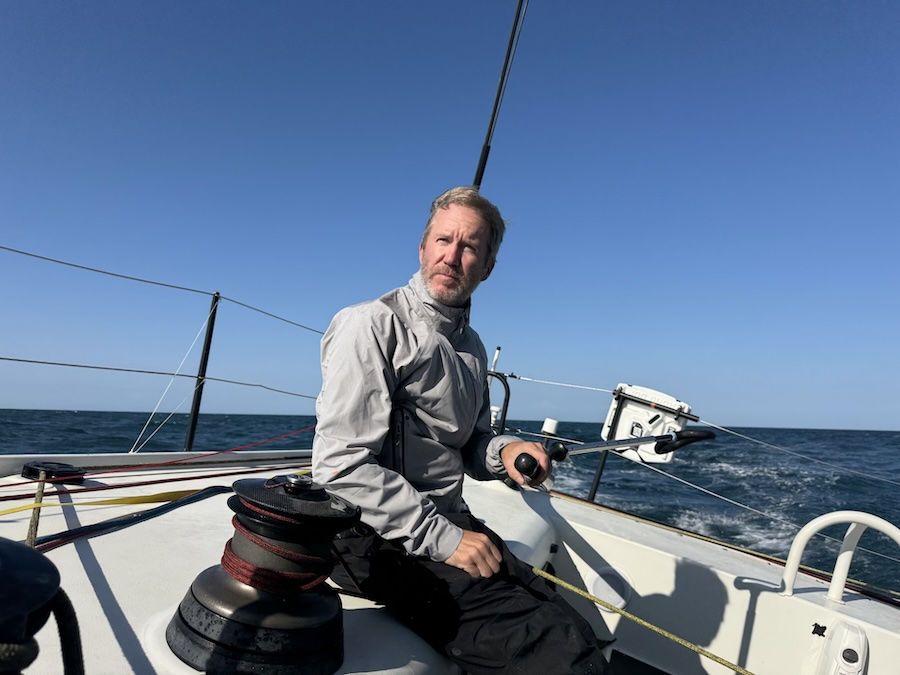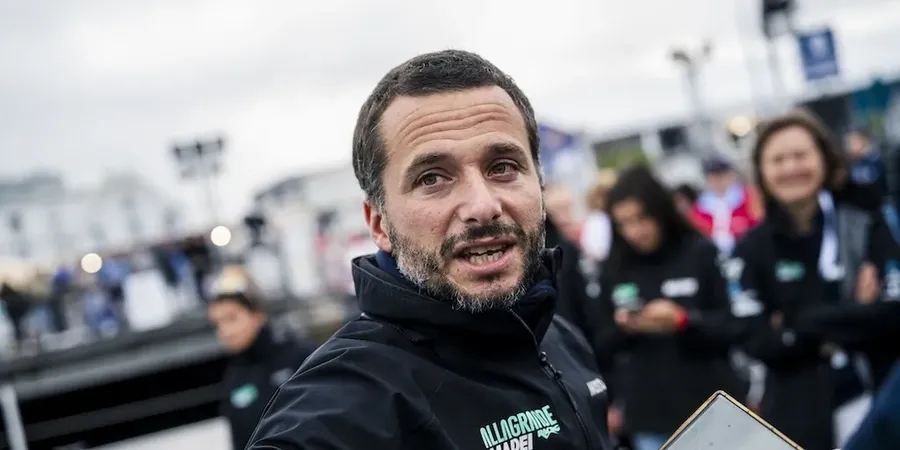
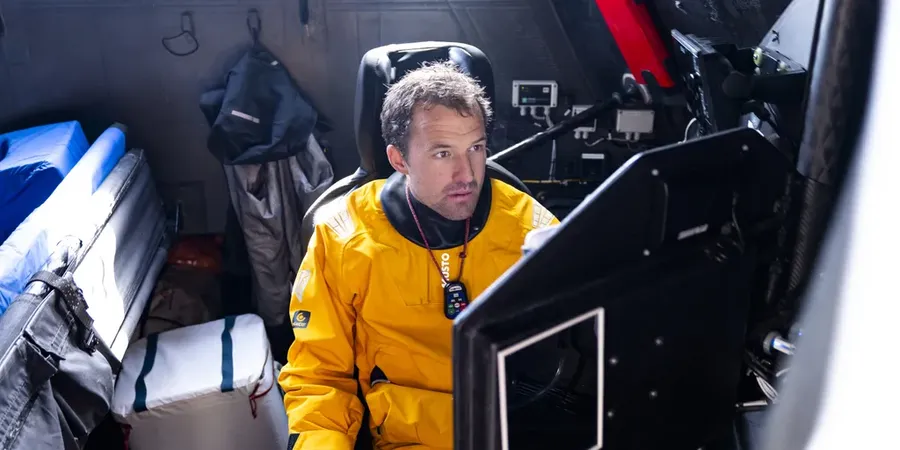
Sam Goodchild has spent the past eighteen months methodically building the case that he belongs among offshore racing's elite. The British skipper, who recently acquired French citizenship, now stands as the bookmakers' favourite for the Vendée Arctique, and he knows exactly what that means.
His career reads as a study in deliberate progression through the sport's most varied disciplines. Goodchild has raced Ultim giants, Ocean Fifty multihulls (winning the championship in that class), Figaro monotypes, Class40s, and multiple generations of IMOCA boats. Each programme added something to his understanding of the sea and of himself. He also developed a rare capacity for extracting the right lessons from each experience. When he stepped in to take the helm of MACIF Santé Prévoyance last season, replacing Charlie Dalin as that campaign's Vendée Globe skipper, he inherited a formidable boat and spent months learning its characteristics until responding to them became second nature.
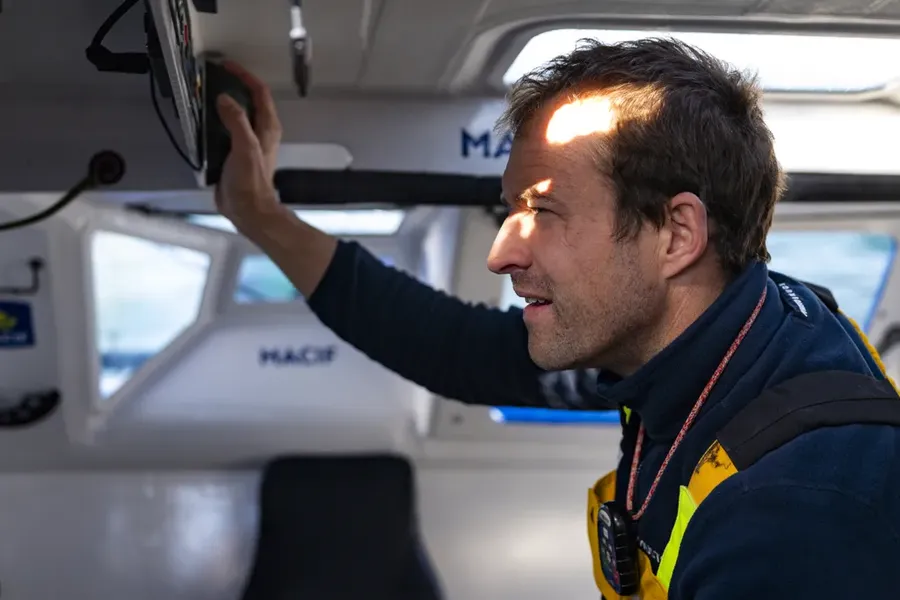
Results followed. Winning the IMOCA Globe Series and the 1000 Race demonstrated he could perform when the stakes were real. Goodchild also points to something less visible and arguably harder: a wholesale reconstruction of the way he approaches pressure. For much of his earlier career, he carried the mindset of someone trying to break through. During his first Vendée Globe campaign, he was the challenger with nothing to lose. When he took over Dalin's boat at short notice last year, there was, as he puts it, "a certain excuse" available if things went wrong. That safety net no longer exists.
"The mental side is about owning the pressure that comes with being the favourite and delivering on the expectations that go with it," he said ahead of the race. "That's something I work on constantly with my mental coach."

At 40, Goodchild has a clear-eyed view of what distinguishes genuinely great sailors from those who are merely accomplished. Technical ability is a given at this level. What actually separates competitors over thousands of miles is the capacity to sustain sharp, consistent decision-making through fatigue, isolation, and setback. He has studied how the best in the sport absorb disappointment without being destabilised by it. He has built the self-awareness to notice when his own thinking is working against him, and developed the habits and systems to correct course before the damage compounds.
The Vendée Arctique will mark his first crossing of the Arctic Circle. The race's conditions are punishing by any measure, but that is not the source of his deepest focus. What occupies him is the gap between expectation and reality, the particular weight that settles on the boat everyone else is trying to catch, the quiet knowledge that finishing third will feel nothing like the result the start of the race promised.
Goodchild arrives with the right boat, a depth of experience accumulated across several different racing disciplines, and a mental framework he has worked hard to put in place. When the Arctic wind builds and the miles between him and the nearest competitor stretch out, those preparations will face the only test that ultimately counts.