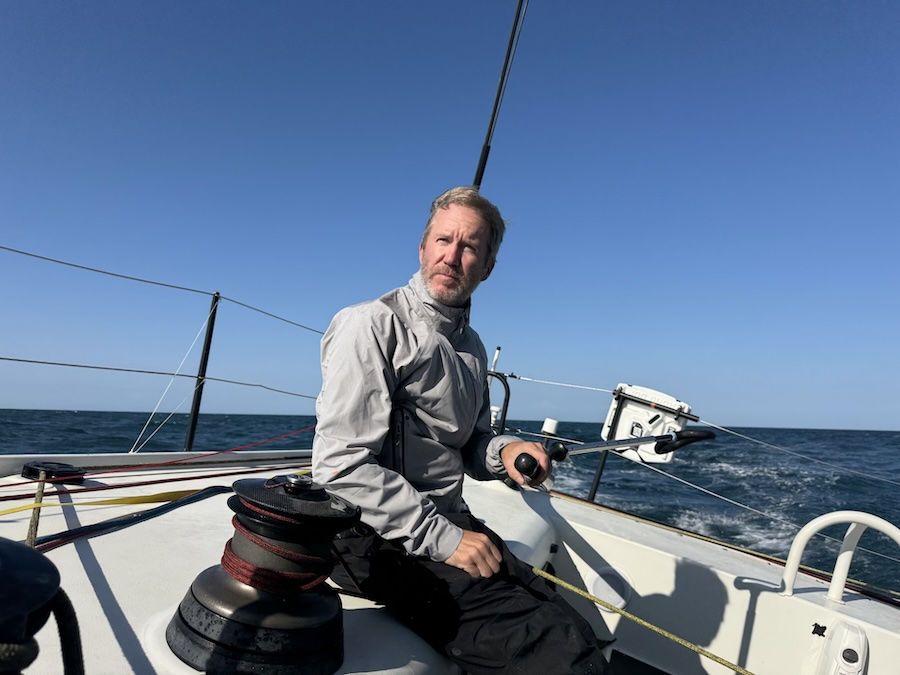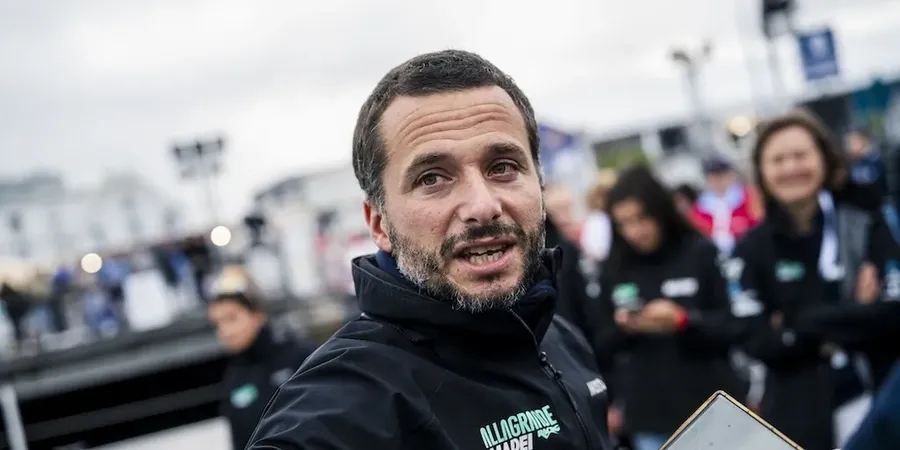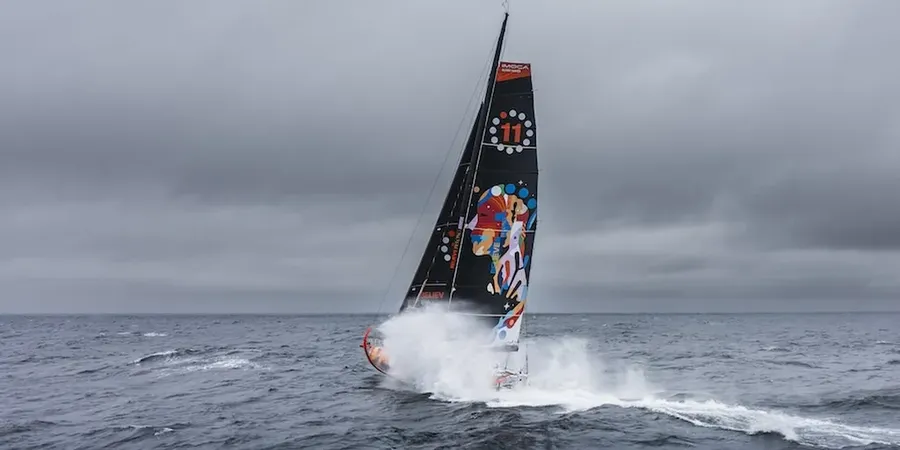
Nine IMOCA skippers are about to cross the Arctic Circle with nothing to guide them but their own instincts, experience, and nerve. Departing Les Sables-d'Olonne on 28 May, the Vendée Arctique 2026 offers a format that stands apart from virtually everything else in offshore competition: no mandatory waypoints, no set course, no turning mark waiting at the far end. The sole requirement is to reach 66 degrees north latitude, at whatever longitude each skipper chooses, then make it home by any route they see fit. The result lands somewhere closer to polar exploration than to conventional yacht racing.
The third edition of the race dismantles the usual architecture of competitive sailing and replaces it with a single, deliberately open challenge. Push hard up the Atlantic? Thread eastward towards Scandinavia? That choice, and everything that flows from it, belongs entirely to the individual at the helm. So does the risk. Where exactly do the ice limits fall this season? What conditions will the North Atlantic actually serve up that far towards the pole? There are no shared answers, and the fleet may peel away in completely different directions before anyone has a reliable picture of what lies ahead.
Arnaud Boissières, sailing April Marine, gave a vivid sense of just how far north the fleet is heading. "We will go further north than Cape Horn is south," he said, a comparison that lands with particular force in the IMOCA world. The Southern Ocean defines most of these sailors' understanding of extreme latitude. Atlantic passages run east to west. Even the more northerly legs of The Ocean Race Europe rarely push the fleet anywhere near this close to the pole. The 66th parallel represents genuinely unfamiliar ground for the great majority of the competitors.
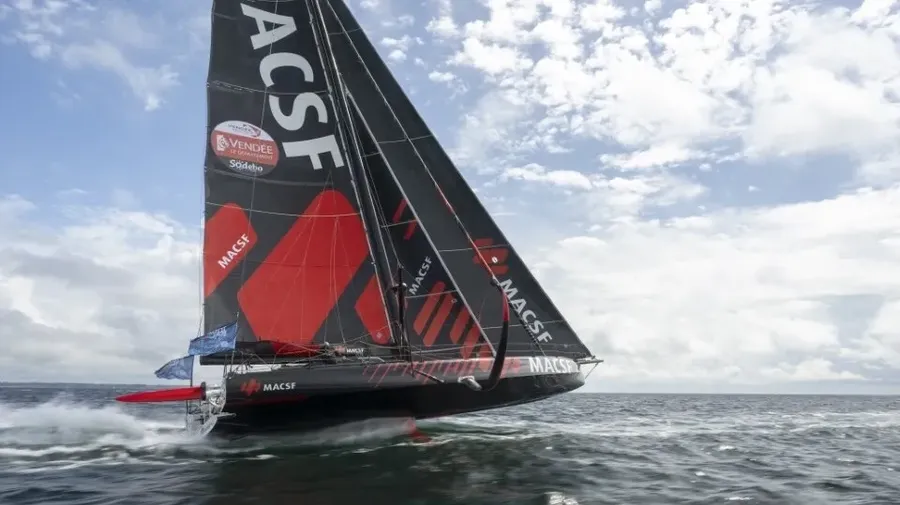
That unfamiliarity is, by all accounts, a significant part of the appeal. Sam Goodchild, aboard Macif Santé Prévoyance, described simple, direct excitement at the prospect, drawn in particular by the extended daylight and the nature of the crossing itself. Francesca Clapcich, racing 11th Hour Racing, was clear that the open format demands something entirely new from every competitor: fresh strategies, fresh tactics, and decisions that no previous edition of the race has required.
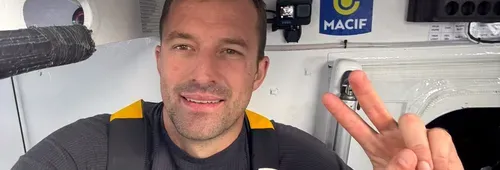
Boissières and Nico d'Estais, aboard Café Joyeux, put it plainly, calling the race "exciting, extreme, original and improbable." Both acknowledged what the wider fleet already knows well: there is no established playbook for this journey, and the capacity to innovate will matter at least as much as raw boat speed.
The 2022 running of the event, the most recent before this edition, unfolded against the backdrop of a summer heatwave across Europe as the fleet raced towards waters near Iceland. The racing was demanding, but the format retained a certain familiarity. Much has changed in the intervening four years. Mathias Louarn is directing the race, with meteorologist Christian Dumard providing weather support. Beyond that, once the fleet clears Les Sables-d'Olonne, each skipper is left to work alone, processing data, reading the conditions as they develop, and drawing on exactly the kind of solitary judgement that defines this class of sailing.
The skippers are calling it adventure with a capital A. It also, as it happens, counts as a race.