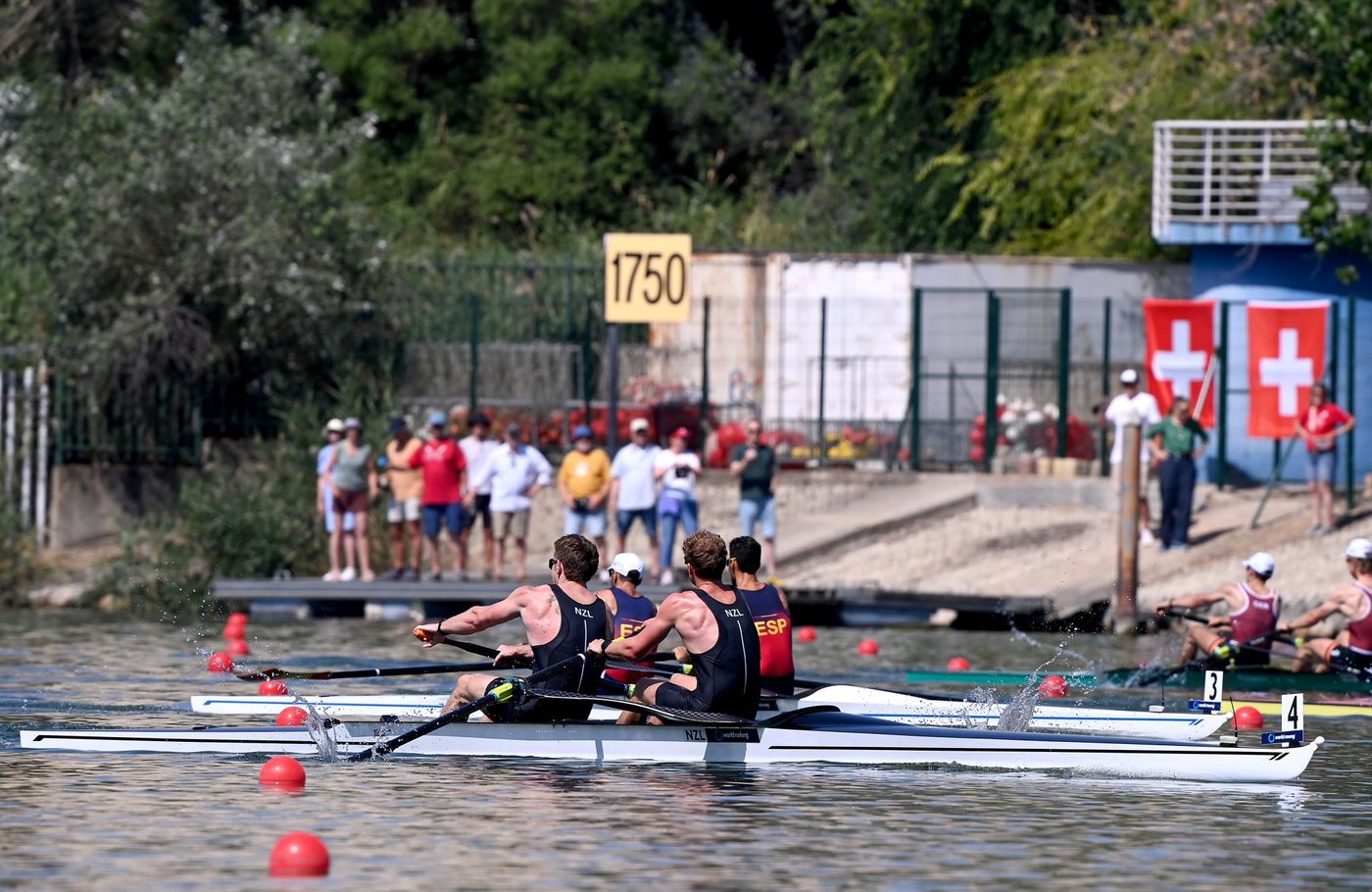
Ben Taylor and Oli Welch have never felt better prepared, and the numbers from Seville go some way to supporting that claim. The world champion pair head into tonight's Men's Pair final carrying momentum built across a full season of deliberate, measurable work laid on top of an already formidable foundation.
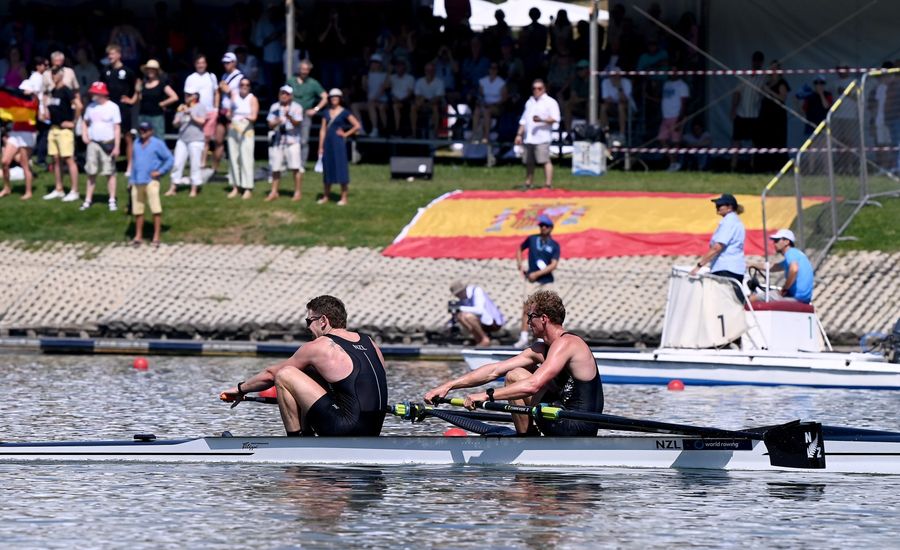
Romania's semifinal time of 6:23.37 against New Zealand's 6:27.76 is a gap Welch acknowledges plainly. "If we have our best race we're in a good position," he says. "The semi probably wasn't our best race, we've got a few things to work on, but it's not far off." Romania reshuffled their crew following a silver medal at last year's world championships, and the new combination has shed nothing in the process. "They seem to be going as quick or even quicker," Welch reflects. "But it's hard to say since we haven't raced them yet."
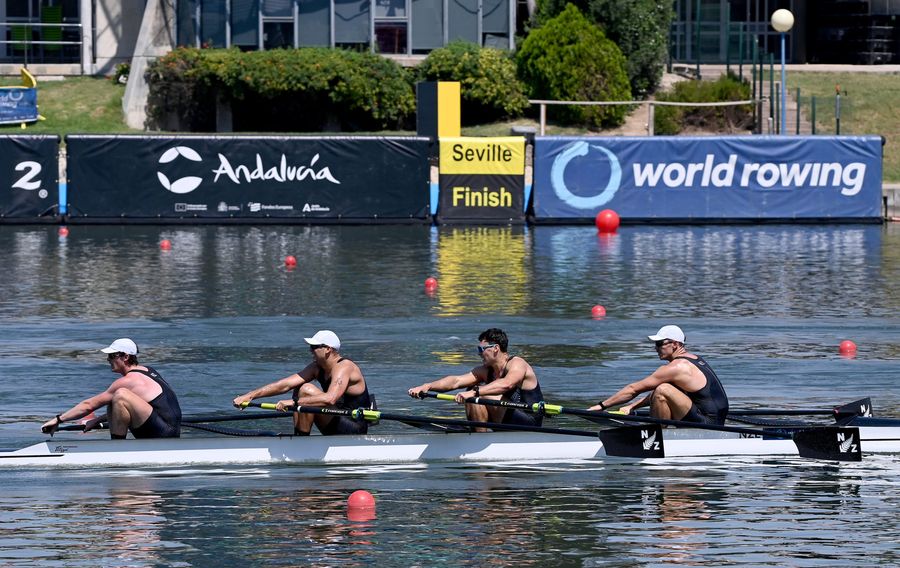
The contrast with last year's preparation is instructive. Taylor and Welch came together as a pair only in April of that campaign, mid-season and pressed for time. This cycle has been entirely different: a complete squad build, stronger ergometer scores, and more hours committed in the gym. The cumulative result is something Welch sums up with characteristic economy. "Fitter, faster, stronger," is how he puts it.
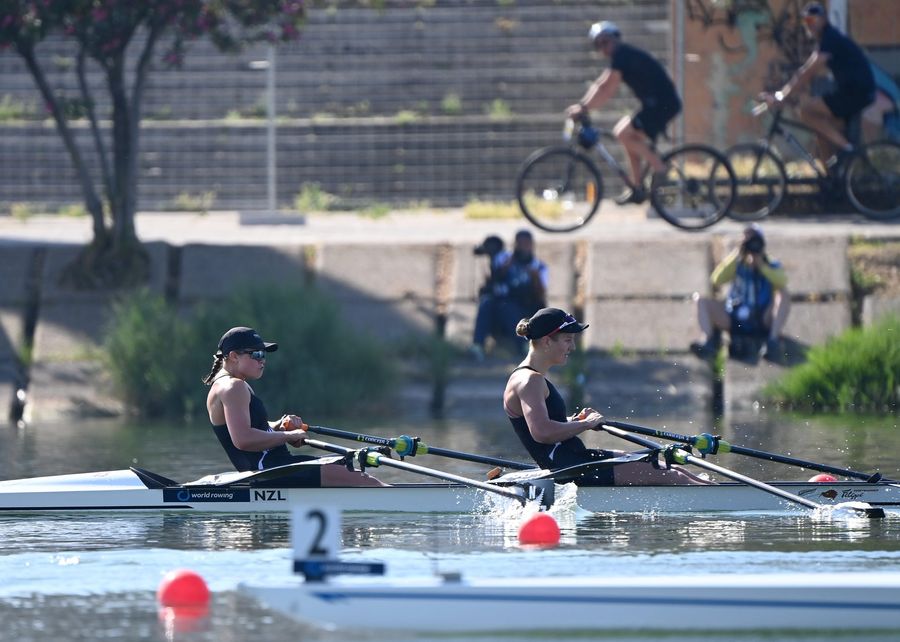
If the Men's Pair arrive at tonight's A Final with pedigree and preparation behind them, the Men's Four get there on something closer to raw potential. Fred Vavasour, Campbell Crouch, Harry Fitzpatrick and Josh Vodanovich qualified for the final having contested just their second race together as a crew, posting 5:59.05 in the semifinal behind the Netherlands and France. For Vavasour, the step from stroking the U23 Eight to a silver medal at last year's world championships and then directly into an Elite Four is a considerable one. Yet he has found something quietly liberating in the crew's lack of established reputation. "There's not so many expectations around our performance, which is quite nice," he says. "You can just row to the best of your ability without having a heap of pressure."
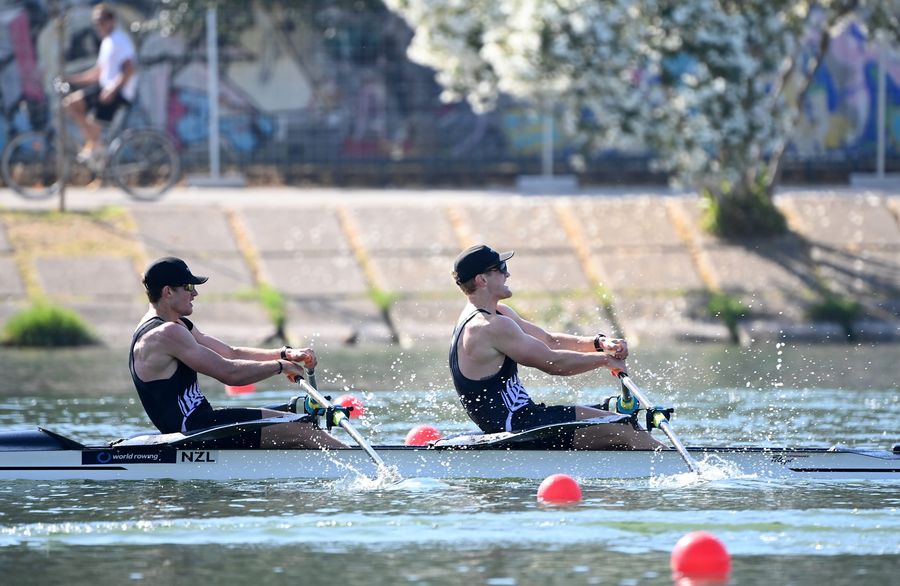
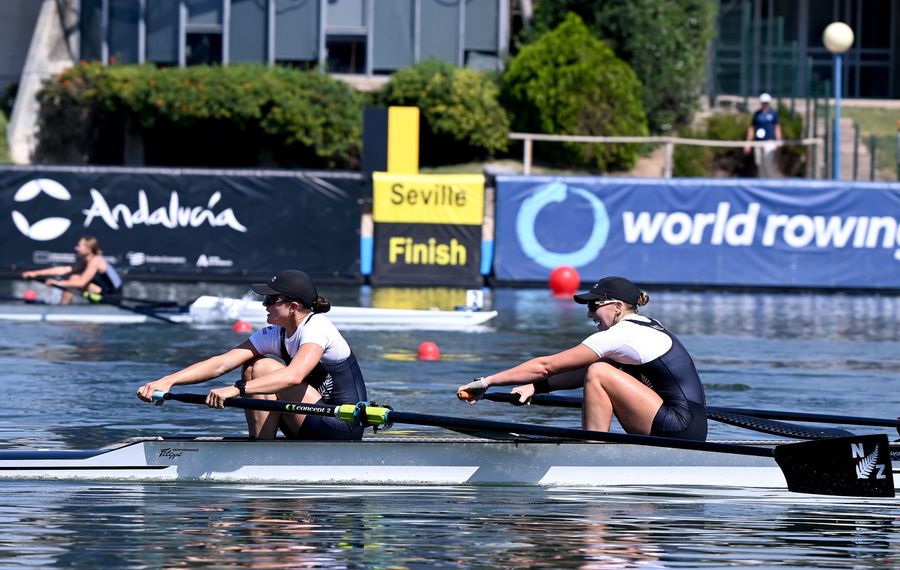
Elsewhere in the New Zealand programme, not everything went to plan. Eva Hofmans made her senior debut in the Women's Double alongside Sophie Egnot-Johnson, and the pair faced complications well beyond their competitors in the C Final. Seville's bridges interfered with their GPS trackers at the 250-metre and 1250-metre marks, giving coach Tom Stannard readings that looked alarming on screen. The actual racing told a different story. The pair stayed in contact throughout and crossed the line second in 7:18.40, four seconds behind France. Hofmans won at Junior Worlds in 2019, and the path back to the senior programme has been a lengthy one, but the result confirmed she belongs at this level.
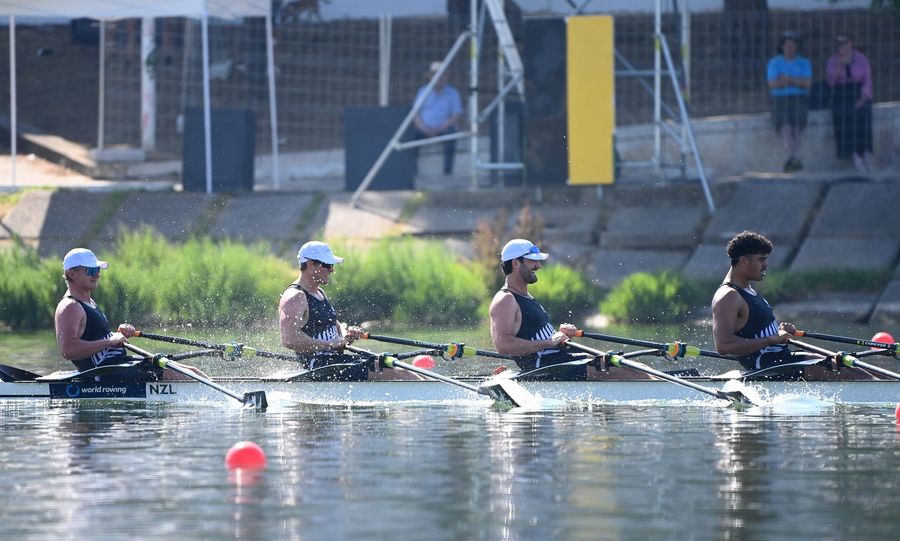
Ben Mason and Finn Hamill also found themselves in C Final territory in the Men's Double after failing to advance through the semifinals, a result that put them in the same bracket as former Olympic champions Valent and Martin Sinkovic of Croatia, who had suffered the same fate. Mason finished fourth in 6:31.30, and was forthright about what the weekend had revealed. "The standard's really high so you have to be perfect," he said. "We medalled in two World Cups last year and then this year we're in a C Final and not much has really changed."
The Men's Quadruple Sculls crew of Arie Magasiva, Callum Tutbury, Oscar Ruston and Ben Olifiers carried a hard lesson learned in their heat into every race that followed. Going out too aggressively early had cost them dearly, and the C Final showed a noticeably more controlled approach, with the focus shifted to moving the boat cleanly and finding rhythm once pace was established. "Once we got the boat moving, we kind of just let it sit there and then took it down into our race rhythm," Magasiva says. "We were just trying to be more efficient, getting the same speed but with a lot less effort."