The nine IMOCA skippers who lined up off the Vendée coast on Sunday had no way of knowing the tactical ordeal waiting for them. Light, directionless air met the fleet as it cleared Les Sables d'Olonne, transforming what should have been a clean departure into a prolonged test of patience, positioning, and instinct. The narrow channel running between Île d'Yeu and a nearby offshore wind farm became a corridor of stuttering, shifting gusts, the sails barely able to settle before another windshift demanded another tack. Then darkness arrived, speeds climbed past 20 knots for the leading boats, and the fleet drove hard toward Brittany with the first significant weather system already building on the horizon.
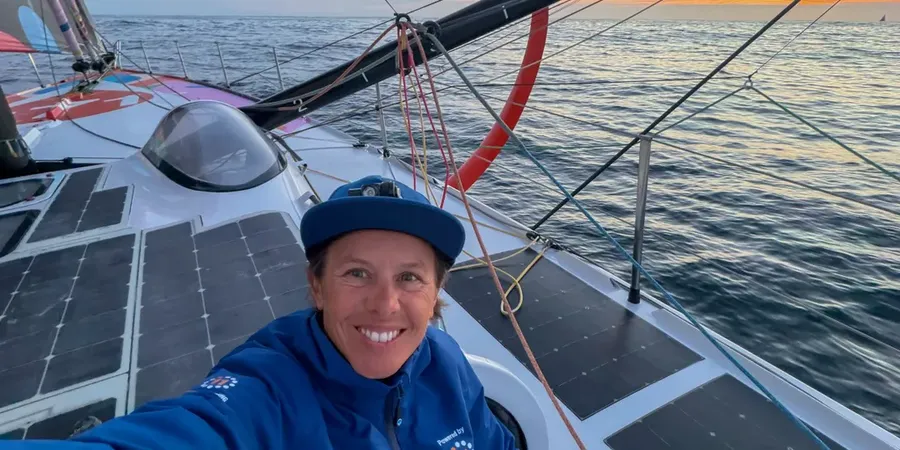
Before the sea stripped everything back to pure racing, there was the experience of leaving the harbour itself. Violette Dorange, steering Initiatives Cœur back through the departure channel, was caught off guard by the scale of the crowd packed along the waterfront. The emotion arrived without warning, pulling her straight back into her Vendée Globe memories. "I nearly cried the whole way," she said afterwards. "Seeing so many people, it was hyper emotional." Aboard 11th Hour Racing, Francesca Clapcich felt something similar, though from a different vantage point. She had left this port before in smaller boats, but an IMOCA departure carried a different weight altogether. "It gives you frissons," she said. "You start to imagine what a Vendée Globe departure would feel like."
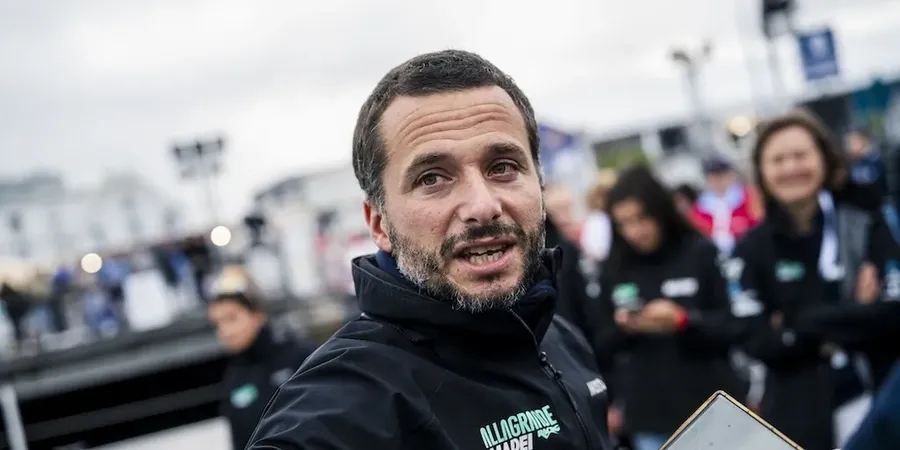
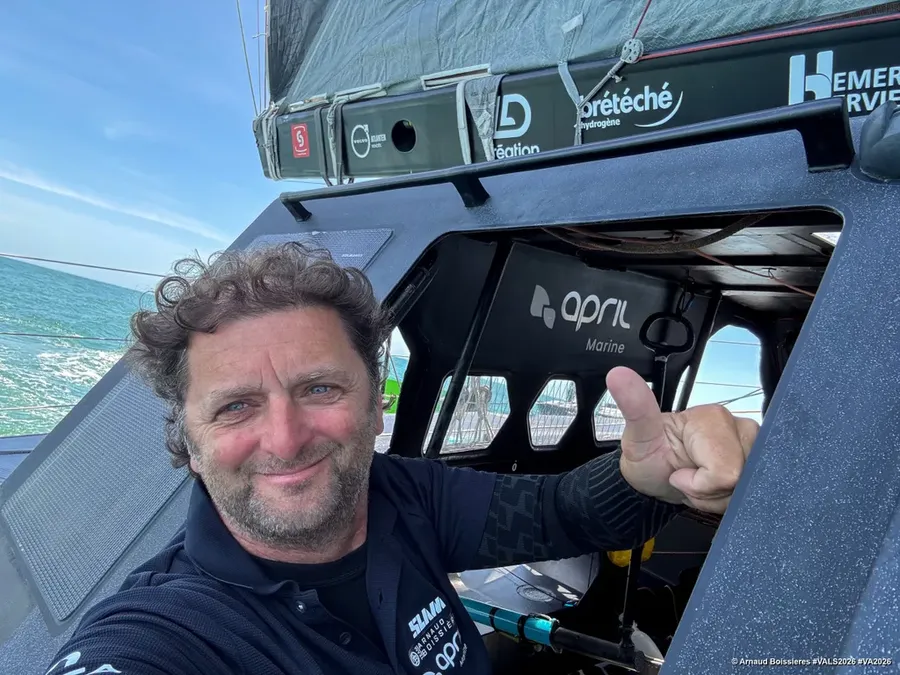
Once the fleet was clear of the land, sentiment gave way to hard tactical thinking. The corridor between the island and the wind farm offered no obvious answers, only competing possibilities: where was the pressure, where was the current, which side of the course had most to offer? Manu Cousin and Arnaud Boissières on APRIL Marine committed to the western option early and held that conviction. Ambrogio Beccaria, racing Allagrande Mapei, took the opposite view and threaded east of the turbines. Everyone else spread across the middle ground, each boat acting on its own reading of the same uncertain conditions. Within moments the nine had scattered across the water as though sailing entirely different races.
What followed was grinding in its repetition. Unfurl the jib, roll it away, gybe, unfurl once more. The hours accumulated in a blur of J0 manoeuvres through air that could barely sustain boat speed, leaving the skippers feeling less like offshore racers and more like workers grinding through a relentless shift. Dorange described the conditions with dry honesty: "We knitted a lot. Enormously a lot happened. Very sporty, even without real wind." Clapcich paid the price for one misread, hunting better pressure close inshore and sailing straight into a wind shadow that erased the gains she had worked hard to build. Boissières, watching all three divergent approaches eventually fold back into one another, took the irony in his stride. His western commitment had looked bold, but when the breeze finally organised itself, the whole fleet converged back into company, as though a second starting gun had fired and every agonising choice had simply cancelled itself out.
By the time night had fully settled over the water, that fractured, stop-start opening act felt like a distant memory. The race had found its rhythm, and a harder chapter was only just beginning.