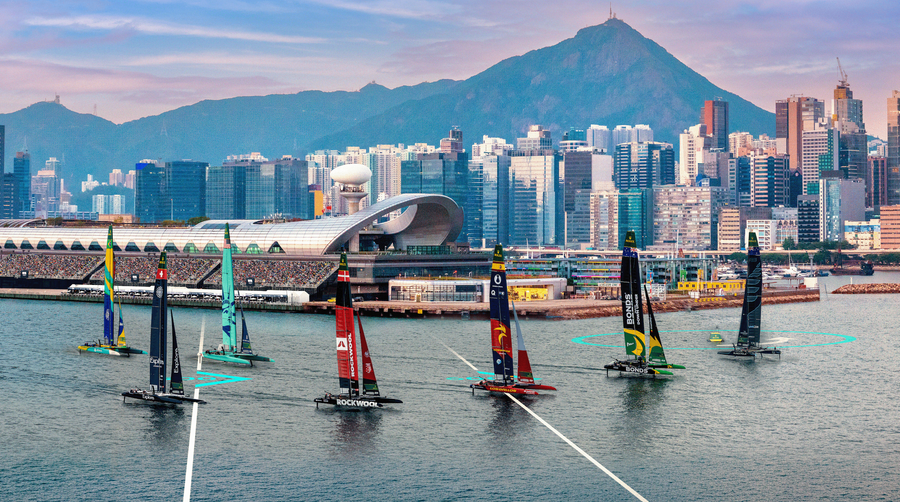
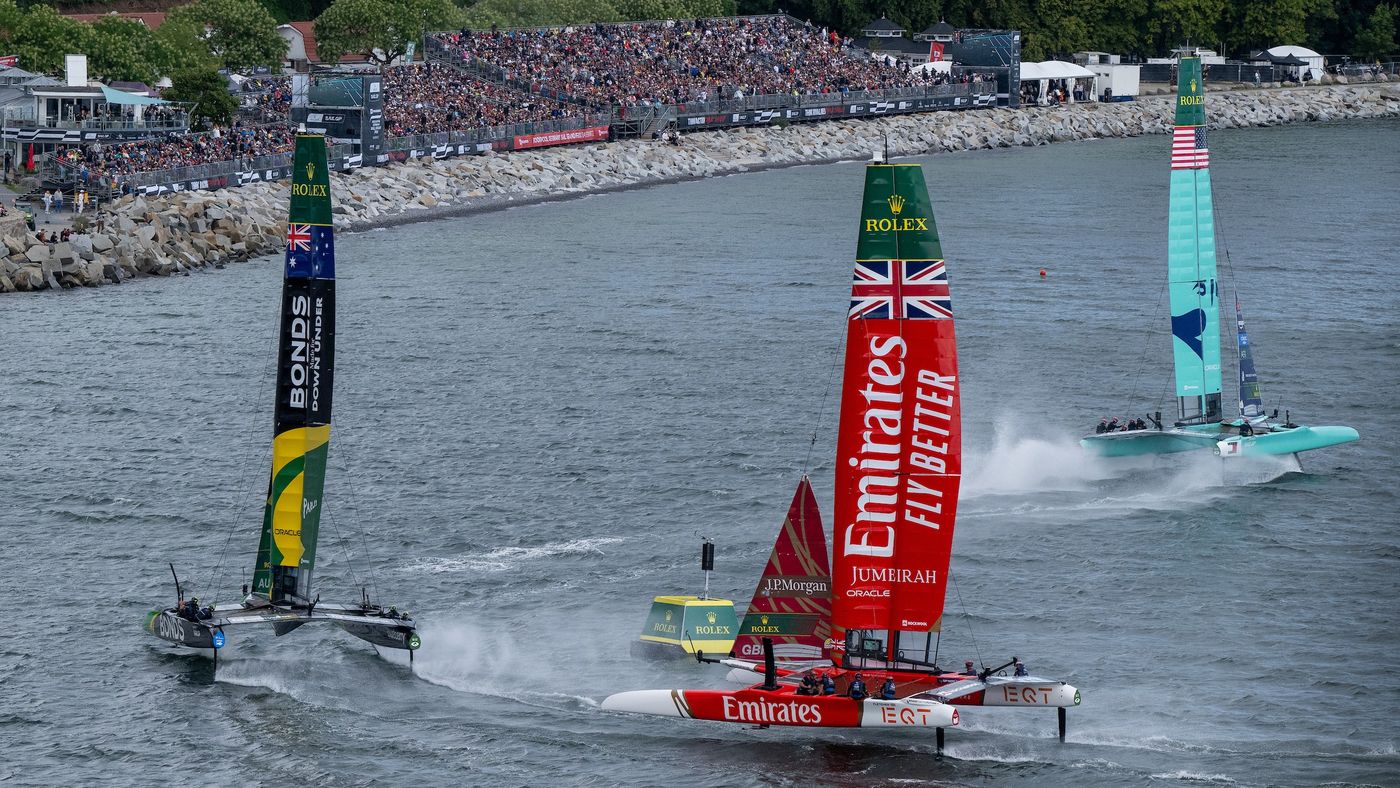
Emirates GBR head into the UAE double-header fighting for their season, not just a result.
The reigning champions sit fifth overall, a position nobody inside the team expected given how 2026 began. Dylan Fletcher's crew opened the season with a dominant win in Perth, then backed it up with runner-up finishes in Auckland and Sydney. Momentum was real.
"We felt as thought we had plenty to learn and were on an upward trajectory as a team," Fletcher says.
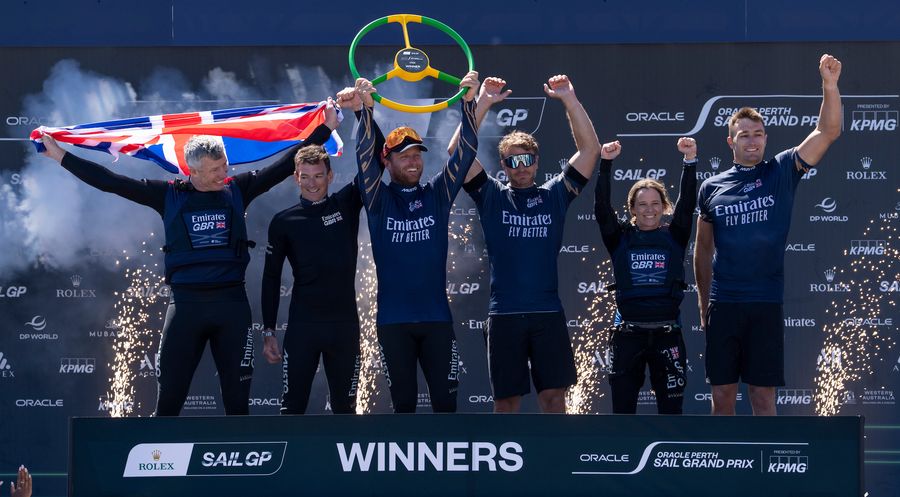
Then it unravelled.
Rio went "completely wrong", in Fletcher's words. Penalties and equipment breakdowns forced the team to miss a race altogether, and they finished 12th. Bermuda and New York brought a recovery of sorts, fourth and second respectively, before Halifax delivered an 11th that Fletcher now points to as the moment things turned. He calls what followed a "difficult downward trajectory".
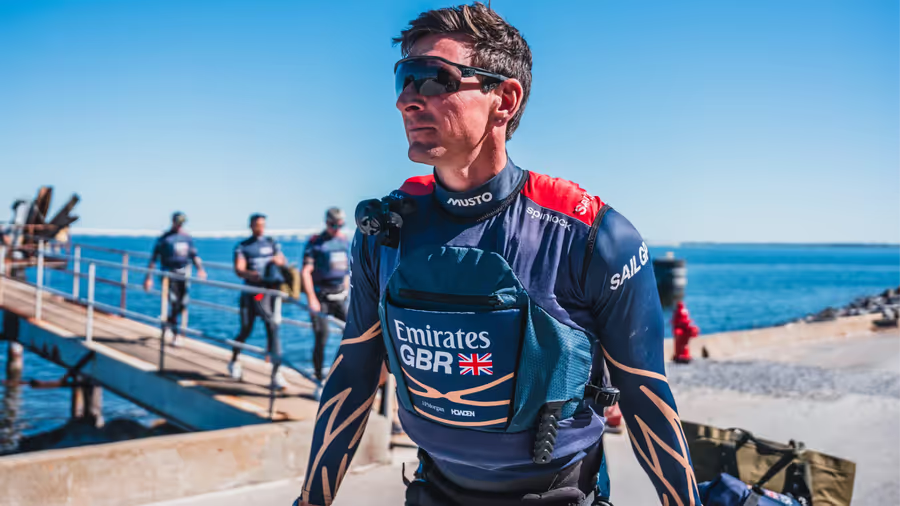
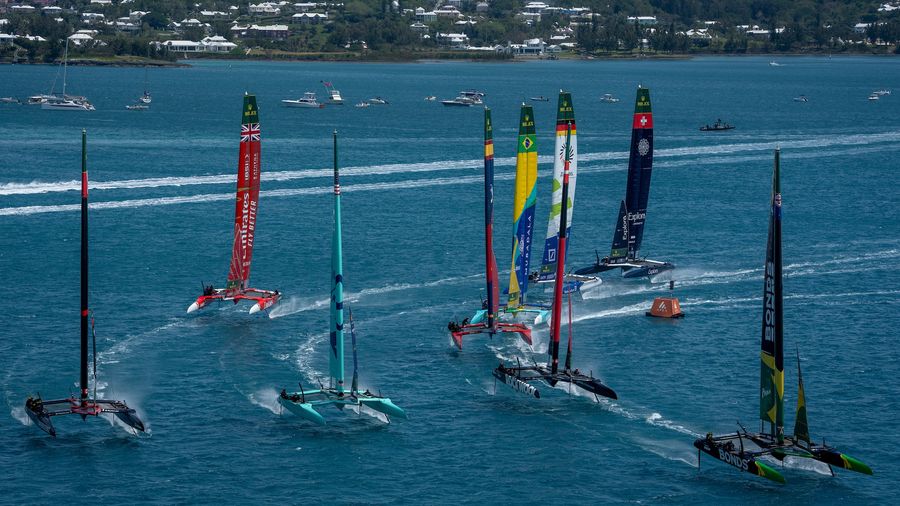
The culprit, he says, is the split fleet format introduced in Halifax. It breaks the 13-boat F50 fleet into two groups, one of seven and one of six, and Emirates GBR simply haven't adapted.
"Our aim was to go around the mark in fifth or sixth, overtake a boat and get into the Final," Fletcher explains. That approach, built for full fleet racing, hasn't translated.
The numbers back him up. Since split fleet racing became the standard format, overtakes have dropped 67.3 percent, from an average of 11.9 in full fleet racing to just 3.9 in the groups. Fewer boats on the course means fewer places to gain. Clean air lets leaders defend their position without getting caught in dirty wind, and with more room to work with, the tight mark roundings that once produced several position changes at once have largely disappeared.
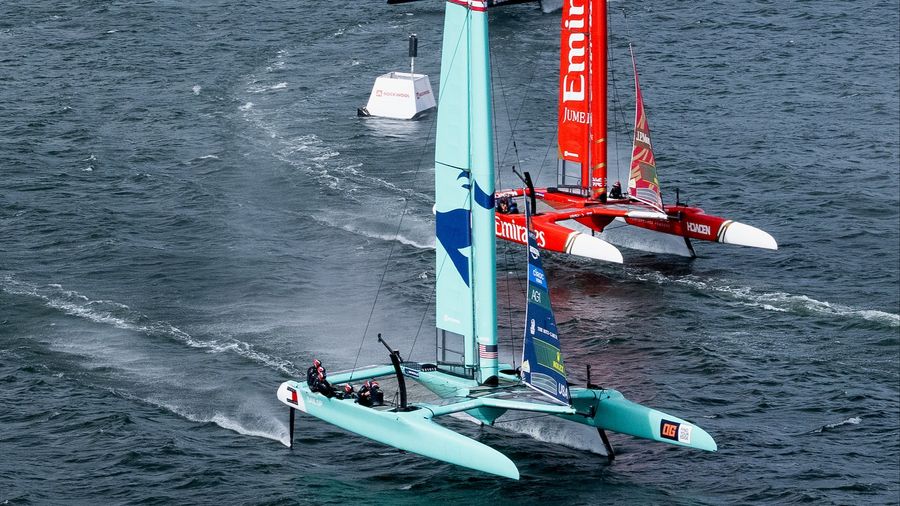
"We've had to significantly change how we're racing," Fletcher says. "There's much more jeopardy with the split fleet and less overtaking so you're seeing riskier starts pay off more often."
Get ahead at Mark 1 now, and you tend to stay there.
"Ultimately, if you go around the mark in first or second, you're launched," Fletcher says. It's a blunt assessment, and it puts his own team's starts under the microscope. He doesn't dodge it. "We're not shying away from it, I haven't been doing a good enough job at starting."
Emirates GBR were the first team to trial SailGP's new training hub in Pensacola last week, and the priority was clear. "We're changing our approach heading into these last two events, specifically on how to maximise the starts," Fletcher says.
Dubai, on 21-22 November, may be the team's last realistic shot at reaching Abu Dhabi's Grand Final alongside Bonds Flying Roos and Los Gallos. They'll be racing head-to-head against Artemis, currently third, and the United States, fourth, with just six points separating the three teams.
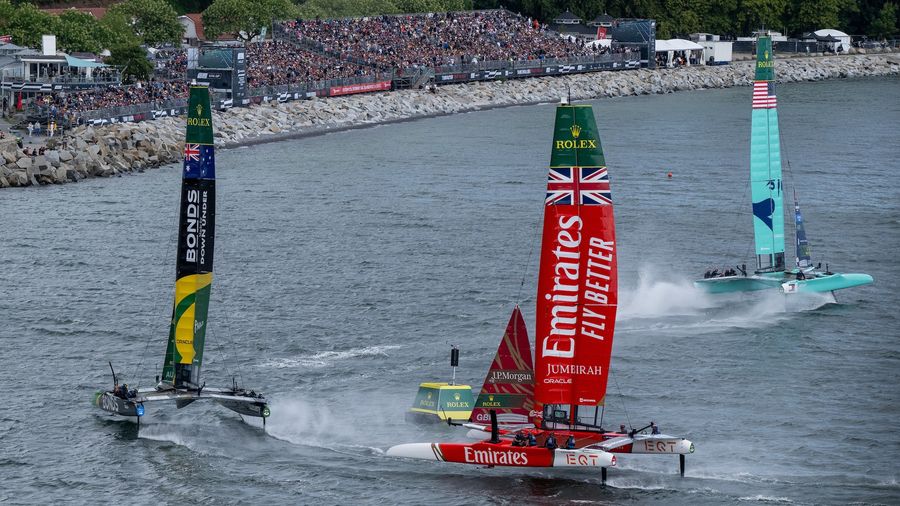
There is history on their side in the Gulf. The team have won in both Dubai and Abu Dhabi before, and Fletcher says those "fond memories" count for something heading into a week that will define their season.
"We're in a strong position where we've got nothing to lose, there's real excitement inside the team."
The Emirates Dubai Sail Grand Prix runs 21-22 November, with the Mubadala Abu Dhabi 2026 Season Grand Final following the week after on 28-29 November.