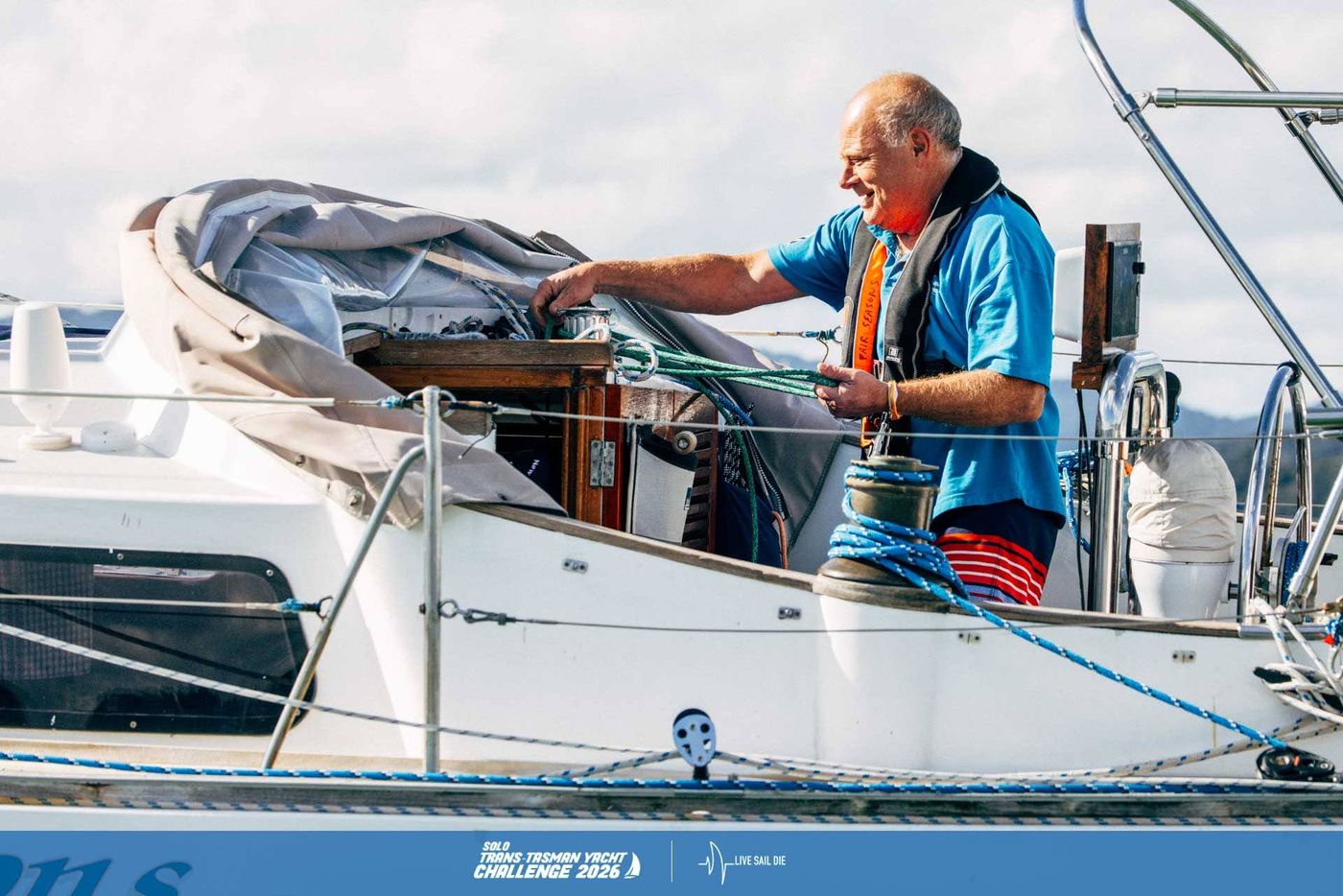
Doug Esterman was somewhere in the middle of the Tasman when the call connected, Norfolk Island roughly 250 miles off his beam and around 524 nautical miles still separating him from Southport. The line was poor, dropping in and out with long pauses. The message got through anyway.
"Loving it," he said. "It's a whole new appreciation of life."
His Cavalier 39, Fair Seasons, has logged more than 800 nautical miles since leaving New Zealand, placing her last in the active fleet with a projected finish somewhere around 14 June. There will be a prize-giving at Southport Yacht Club once all boats are accounted for, and Esterman has made his feelings on the matter perfectly plain. "I don't want to miss the party."
To make sense of where Fair Seasons sits now, you need to know what the preceding week looked like. On the evening of 31 May, hours after Graeme Francis had already pointed Robbery back toward Opua, Esterman turned Fair Seasons around and sailed toward the stricken vessel, which was by then taking on water. Francis eventually regained control of his own situation, and Esterman resumed course for Australia, but the Tasman refused to cooperate and continued hammering the fleet without mercy. The following day, 2 June, he circled back again, and it was not until around 5am the morning after that he was properly underway once more. That same morning he passed Bill Kidman's Pretty Boy Floyd, heading in the opposite direction toward home. The day after that, on 3 June, Glen Jeffery's Wave came by, also retiring. Two boats going the other way, both skippers he had stood beside at the start line only days before. Esterman kept going.
The time surrendered to the Robbery detour has shaped the entire complexion of his race. But when he is asked about turning back, the answer carries no ambiguity. "It was because I wasn't happy." He turned around because that is what you do.
There was something in his voice during the call, not distress for himself, but feeling for the others. For Graeme Francis, who had fought through the night to keep Robbery from going under. For Bill Kidman, who had worked so hard just to reach the start line only to be forced home before the Tasman had truly tested him. For Glen Jeffery, who had dealt with one failure after another aboard Wave before finally making the call to retire. These are his people, and the weight of what each retirement had cost each man was audible. "The other sailors are amazing," he said, and the way those words came out carried considerably more than their face value.
The crossing itself has been far from straightforward. He has been unwell for several days, though he reports feeling better now. The autopilot, which has been troublesome throughout the passage, has continued to fail at the worst possible moments, leaving him reliant on his wind pilot for steering. Sleep has been hard to come by.
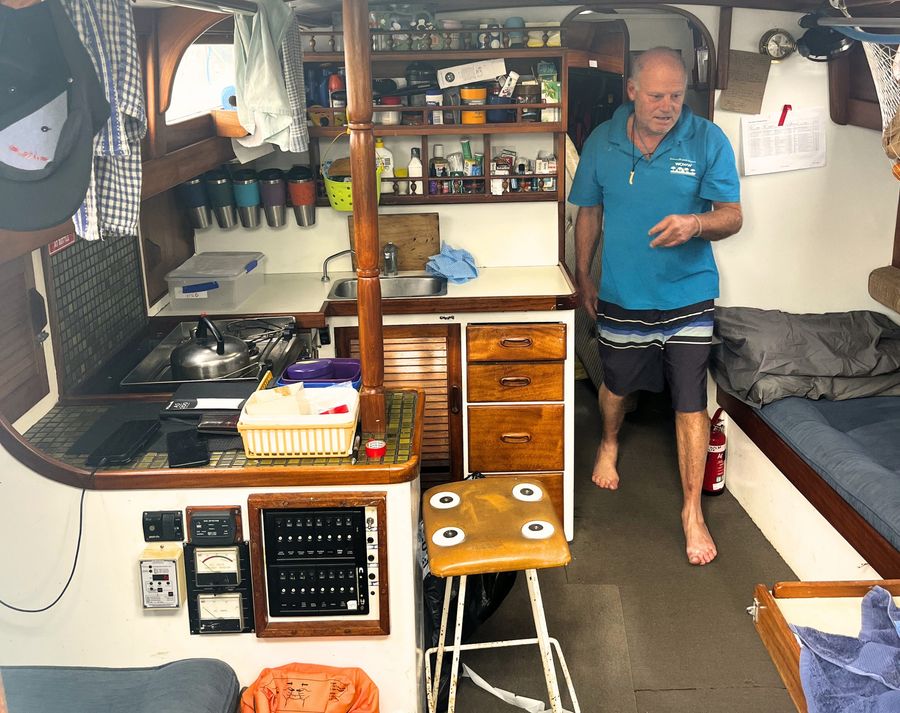
At some point during the passage his Starlink went over the side. Strong winds, damage to the pushpit, and a misplaced confidence about where it had been secured all played a part. "I looked back and I was stupid where I'd put it. You look at it and you think, couldn't have had that happening, and I did." Since then he has been sailing largely without communications.
Speaking about the lighter boats that had absorbed the worst of the conditions, he was generous in his praise. "The light boats in these conditions are doing amazing." Fair Seasons, he was quick to note, is built for exactly this kind of passage. "I really think the boat was good enough to make it." But those who kept going through everything despite being in less suited vessels, "not even doing it, but done. You know?", those are the ones who genuinely astonished him.
He is weary. The boat has taken a beating. Yet Doug Esterman is still out there, 524 miles from the finish, and entirely serious about not missing the party.
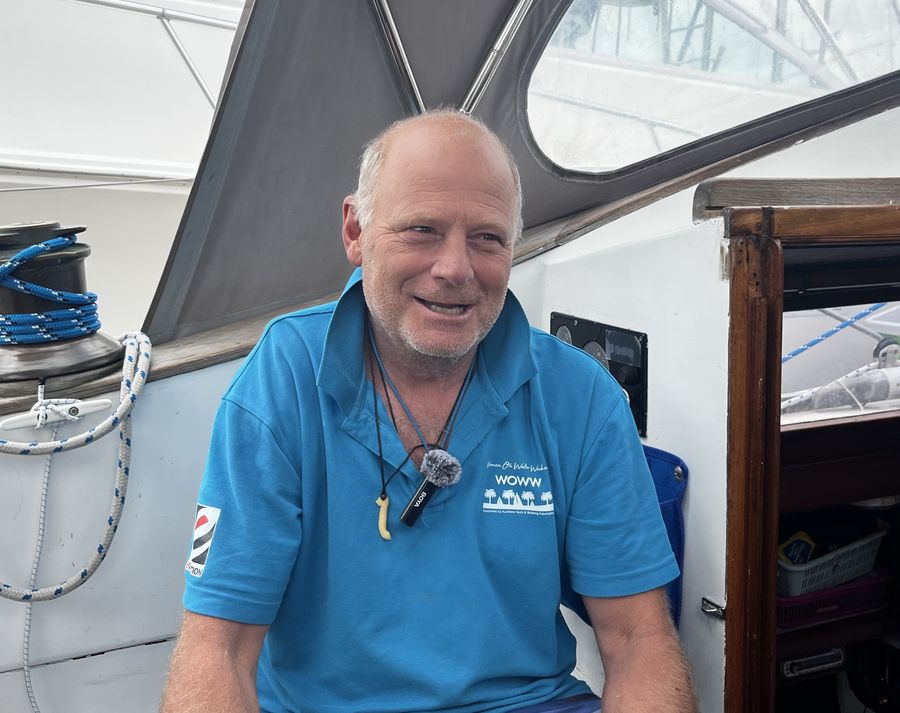
The call was an emotional one. Coming back from illness while running on next to no sleep has a way of bringing everything closer to the surface. But underneath the tiredness, his determination was unmistakable.
The weather is beginning to ease. The winds that pushed against him for so much of this crossing are starting to shift, swinging around to help carry Fair Seasons toward Southport rather than contest every mile of it. The conditions that made the first half of this race so brutal for so many boats are finally letting go.
Exactly when Doug Esterman will cross the finish line is impossible to say. But the feeling is that it may come sooner than even he expects.