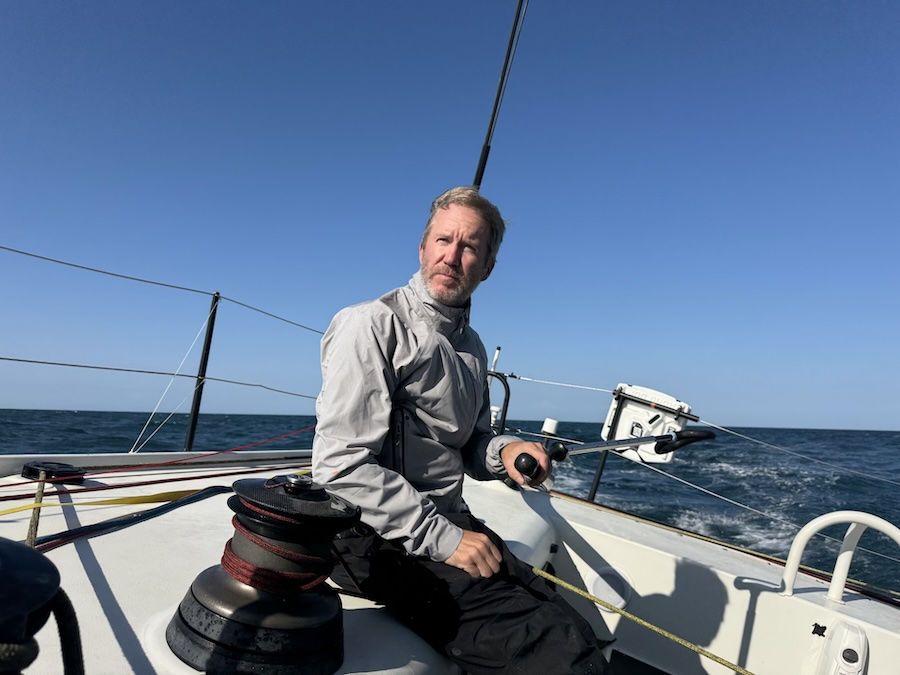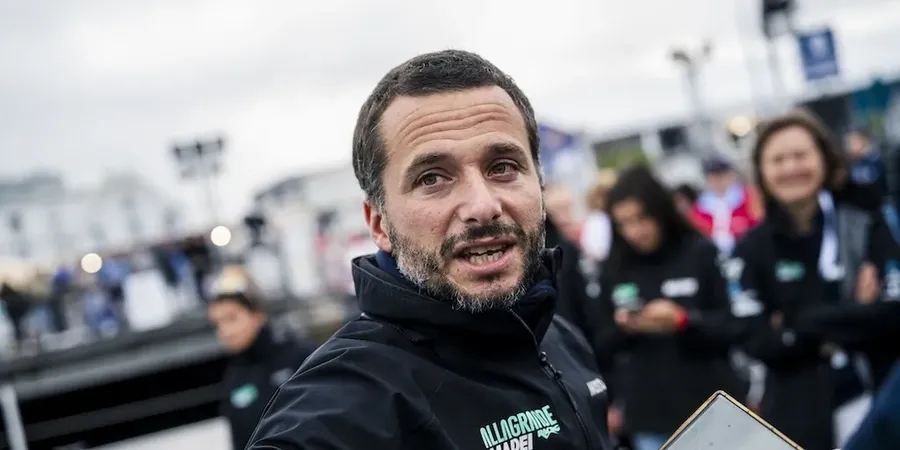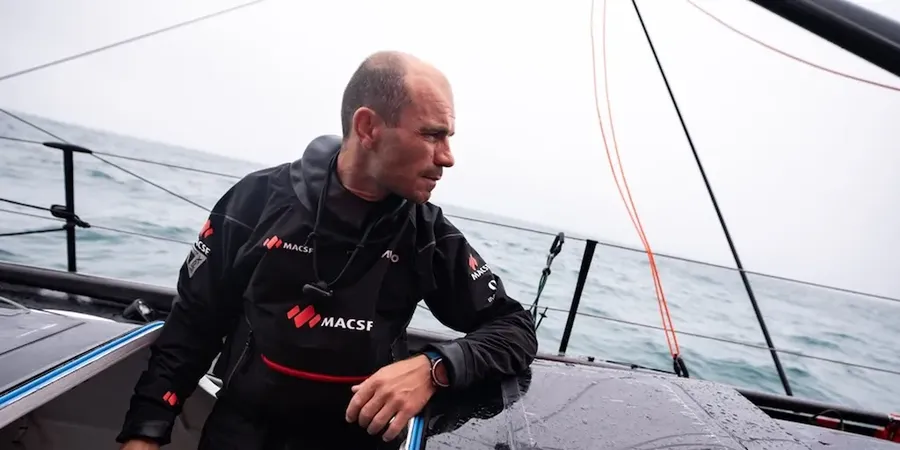
Corentin Horeau spent the northern winter working through a purposeful programme of modifications to his IMOCA, and the Vendée Arctique will be the first time that work faces a genuine examination at sea. For the 36-year-old Frenchman, the race carries a significance that reaches well beyond any result. It is, by his own reckoning, essential preparation for the Vendée Globe itself.
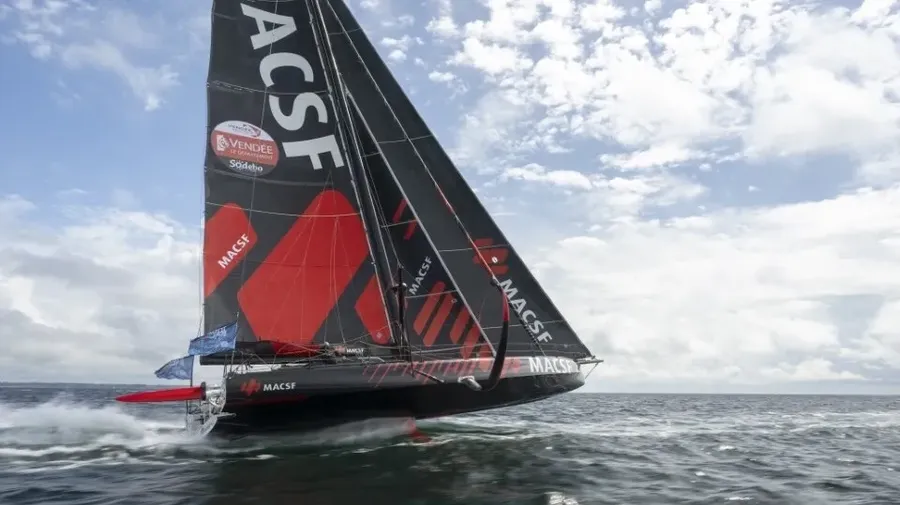
Earlier this season, Horeau crossed the line second in the 1000 Race, yet he is measured about what that placing actually means. "The classification is secondary in a way," he said. "It'll just be the icing on the cake. But that doesn't stop you from trying to do things right. Everyone races to finish as high as possible." His attention is directed further ahead, toward deepening his command of the boat in solo conditions, an objective that takes on added weight now that the Vendée Arctique is shaping up to deliver considerably stronger winds than the relatively benign weather he encountered in earlier outings.

The MACSF skipper came through the Figaro circuit, where he showed the tenacious endurance that ocean racing ultimately rewards. His progression to IMOCA level has been deliberate at every step, and those who have followed his career closely note a steadily growing assurance with each race completed. Even so, he keeps his ambitions close to his chest. "I'm always ambitious," he admitted with a grin, "but generally I keep it to myself."
What lends the Vendée Arctique its particular importance for Horeau is not the prospect of a trophy but the chance to treat the race as a working environment. It will be his longest solo offshore campaign aboard an IMOCA, and the timing is no accident. The shore team is sharp, the winter's technical work is behind him, and the boat is capable. Where earlier races gave him a feel for the rhythms of single-handed sailing at this level, the Vendée Arctique should answer harder questions, whether the modifications actually perform as intended, and whether the boat responds as expected when conditions turn demanding.
For a sailor with his sights fixed on the Southern Ocean and the Vendée Globe's unforgiving demands, the real value of June's race lies in the freedom it provides. There is room to push hard, to run into problems while the consequences remain manageable, and to refine both machine and method along the way. The restraint Horeau expresses about results is not false modesty. It reflects the clear-eyed thinking of someone who understands precisely what the Vendée Globe will ask of him, and who has no intention of wasting this opportunity to build the foundation it requires.