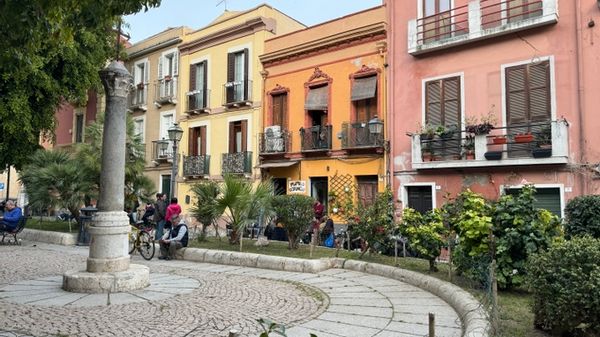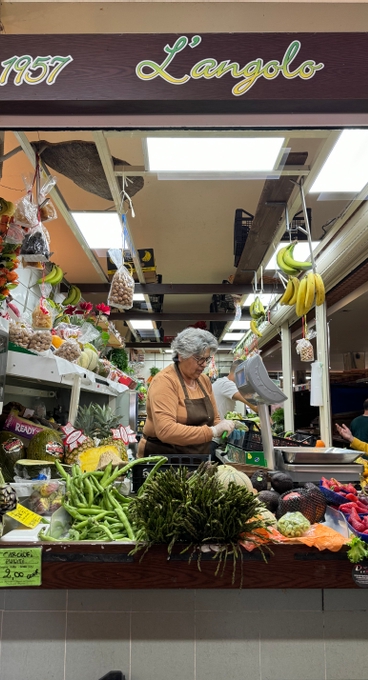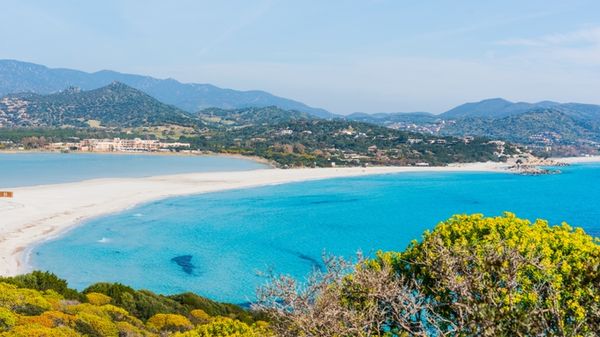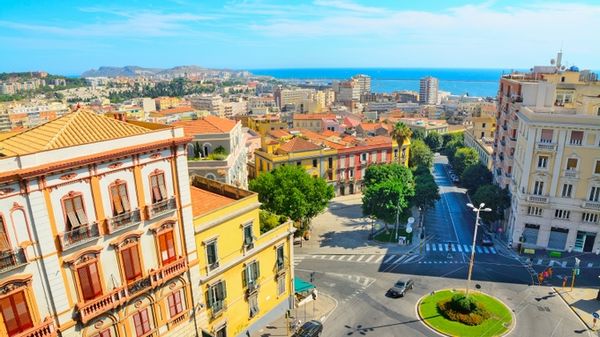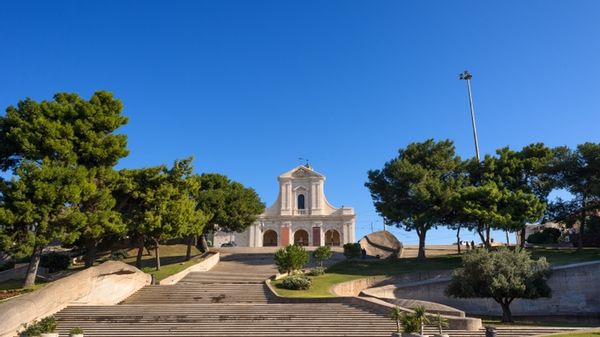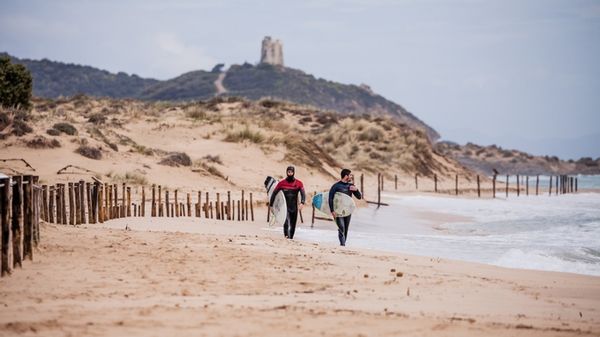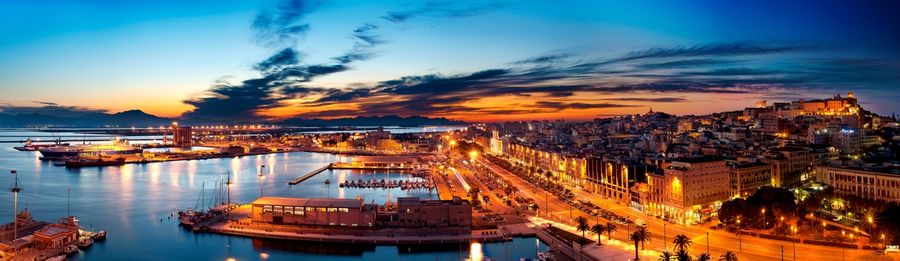
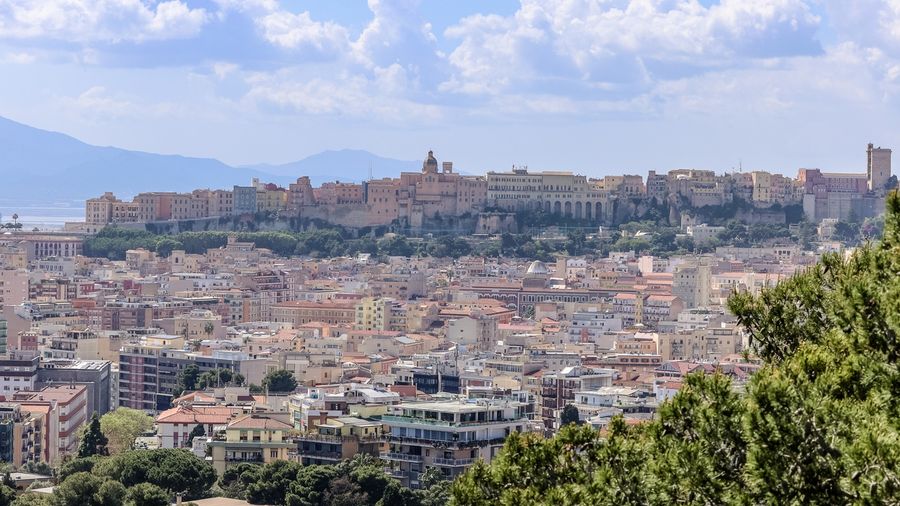
The Louis Vuitton 38th America's Cup has turned its opening attention to a city that needs no sailing regatta to earn its place on the world's radar. The first preliminary event runs from 21 to 24 May, bringing the AC40 fleet to Cagliari, a port city on Sardinia's southern coast with a continuous history stretching back more than two and a half millennia.
Cagliari's origins lie with the Phoenicians, who founded a settlement they called Karalis somewhere between the 9th and 8th centuries BC, making it one of the oldest continuously inhabited port cities in the western Mediterranean. A long succession of rulers and cultures followed, each pressing something of themselves into the stone, streets, and skyline of the place.
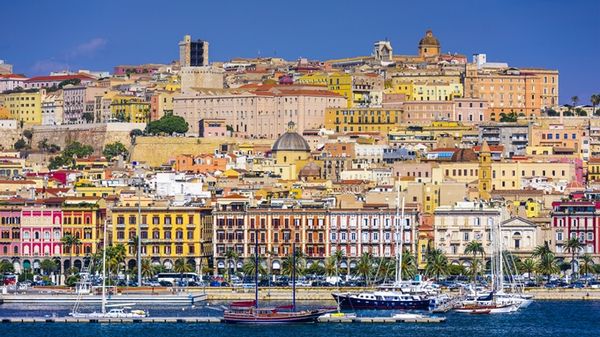
That accumulated past is not concealed in Cagliari. It sits at street level, readable in the architecture of almost every district. Remnants from very different eras coexist in ways that reward a patient and attentive visitor. Few cities in Italy offer such a well-preserved and legible record of civilisations layered one upon another across the centuries.
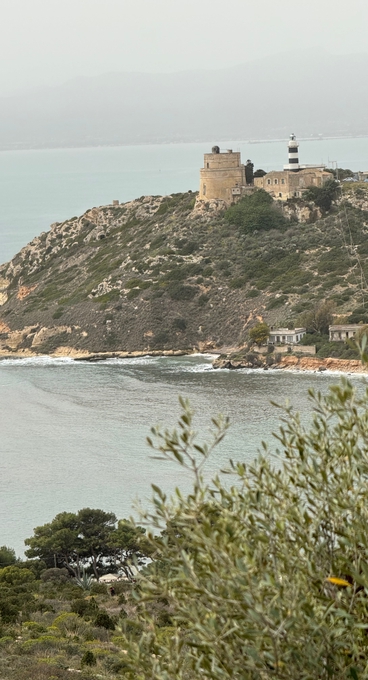
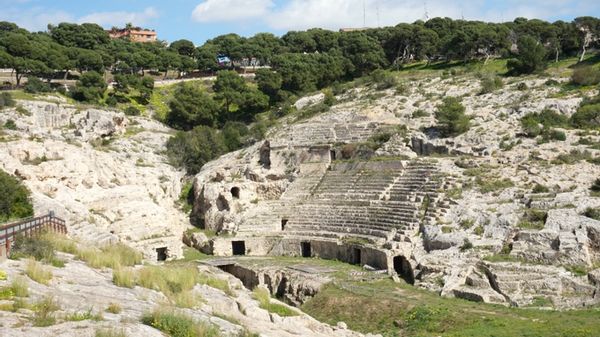
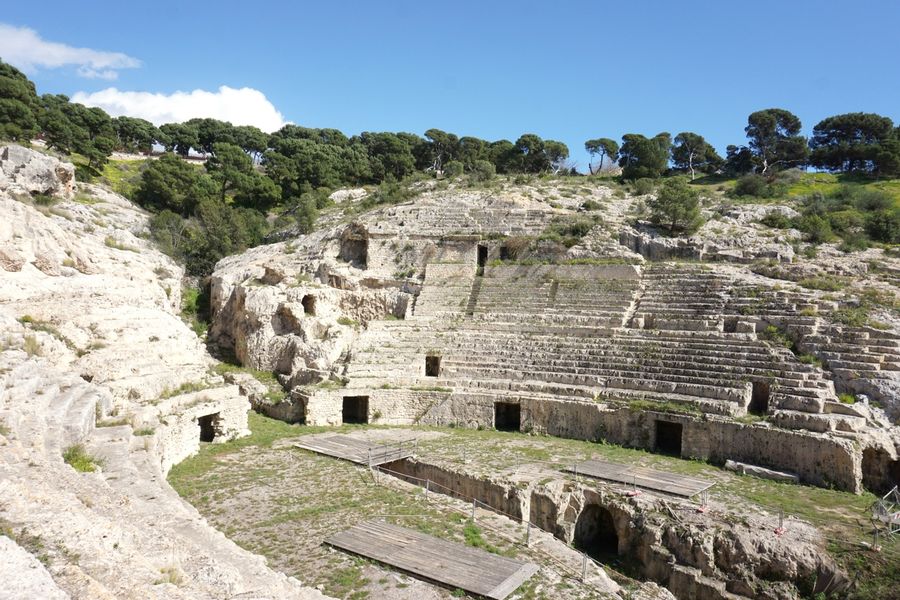
Among the most striking survivals from antiquity is the Roman Amphitheatre, set into the upper slopes of the city and carved directly from the hillside rock. The seating tiers remain largely intact, and excavations have uncovered marble slabs confirming the stands were once finished with fine materials. As was the custom throughout the Roman world, seating arrangements reflected the strict social hierarchy of the era. The spectacles staged here for the crowds included gladiatorial combat and hunts involving wild animals.
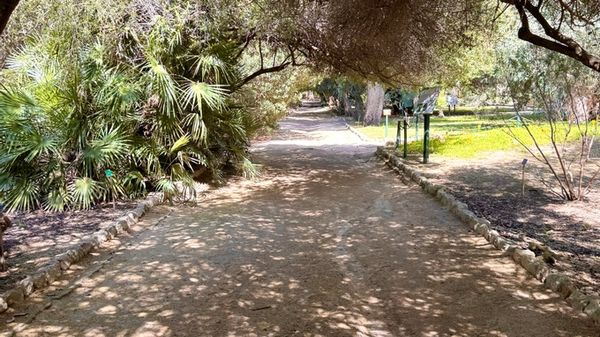
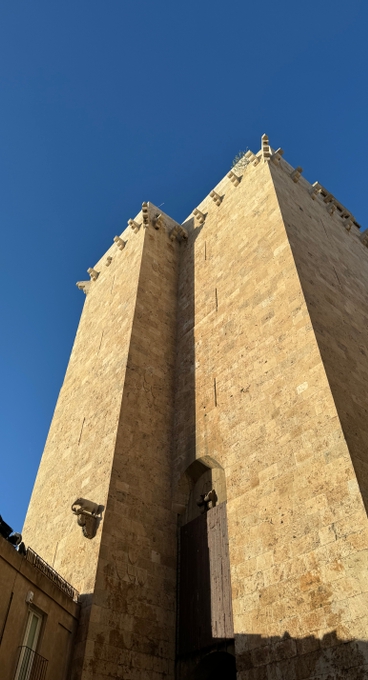
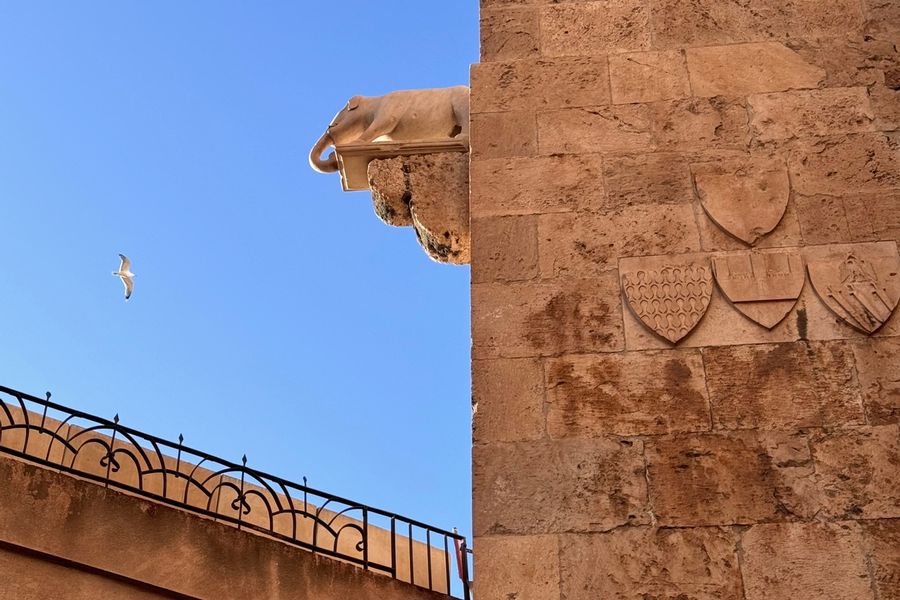
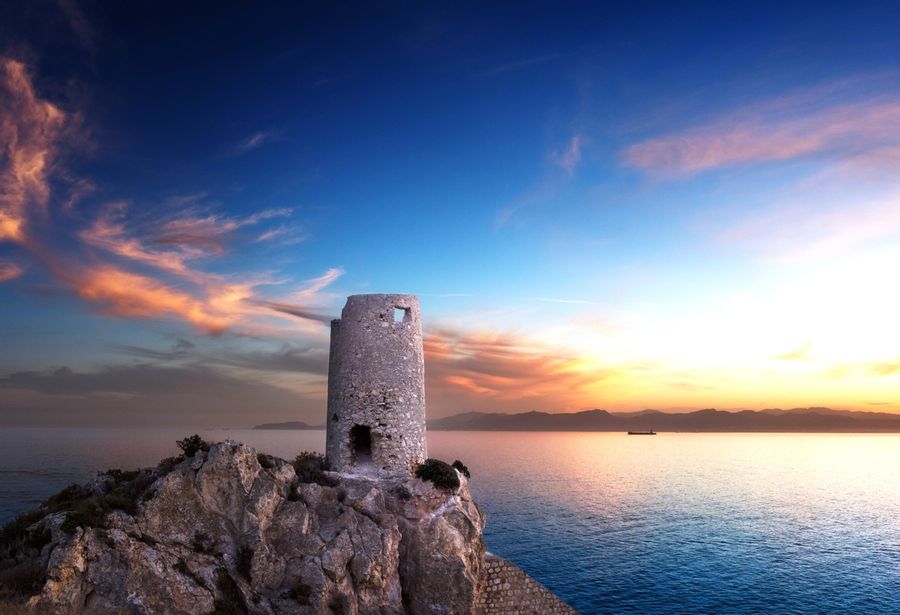
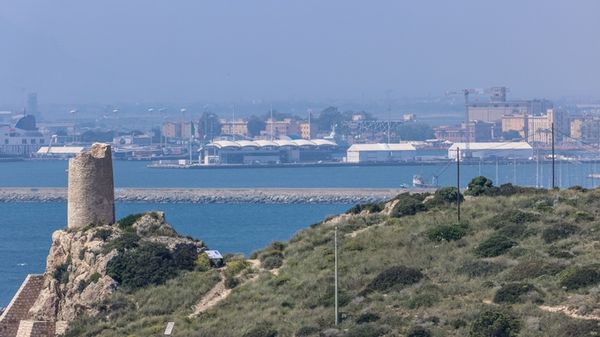
The mediaeval centuries brought further transformation. Under Pisan rule, the fortified quarter of Castello was raised above the rest of the city, becoming its commanding presence. Entry to the district passes through the Elephant Tower, named for the small carved elephant mounted on one of its facades, an image chosen deliberately for its associations with strength and authority.
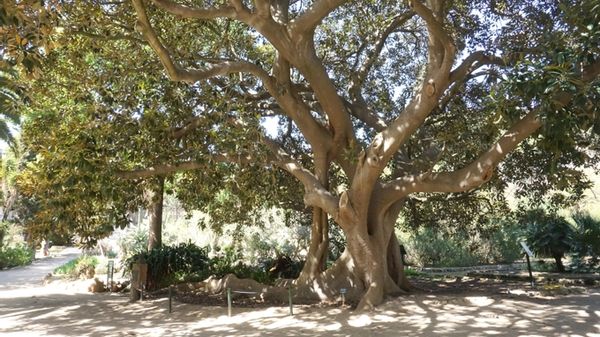
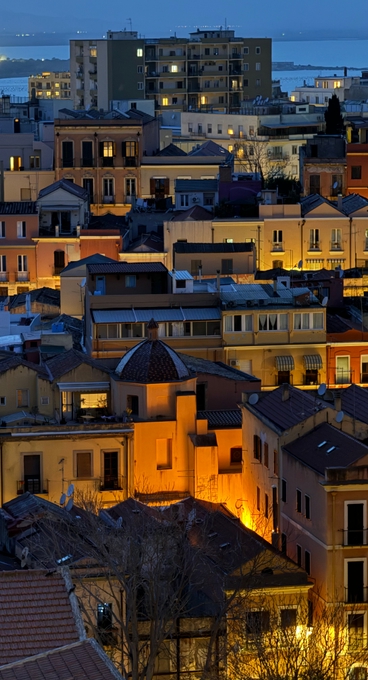
Castello remains the historic heart of Cagliari today. Within its boundaries sit the Cathedral of Santa Maria, the Citadel of Museums, and a collection of historic palaces. The museums hold work of genuine significance: the Archaeological Museum displays the celebrated Mother Goddesses, while the National Art Gallery contains altarpieces bearing an unmistakable Catalan artistic influence.
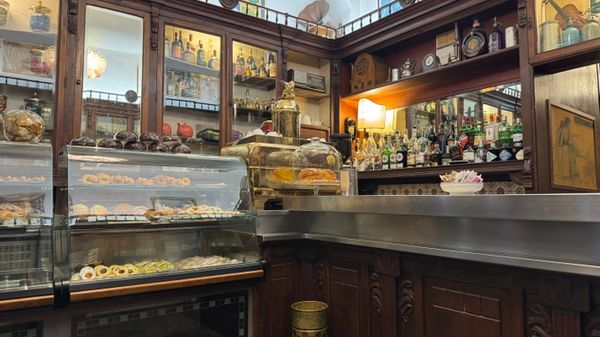
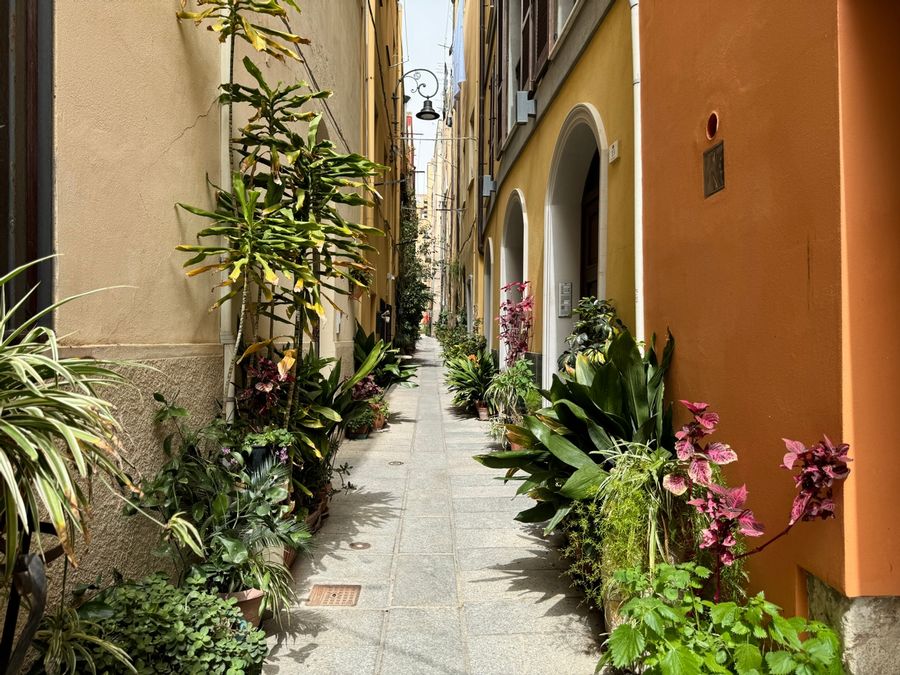
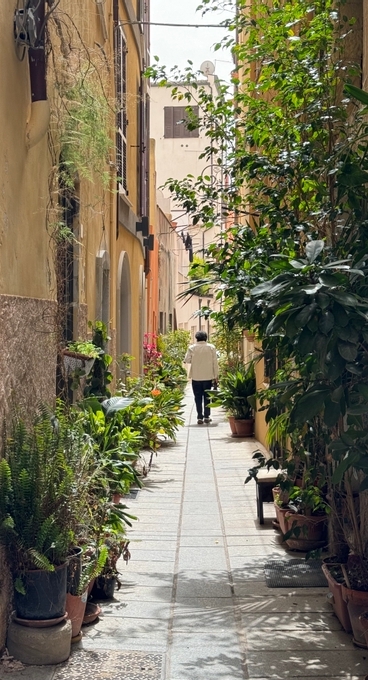
Threading through the historic centre is Via Stretta, a passageway of exceptional narrowness that squeezes to little more than a metre at its tightest points. Festooned with plants and flowers, it has become one of the most recognisable corners of the Sardinian capital, a place that manages to feel both intimate and surprising in equal measure.
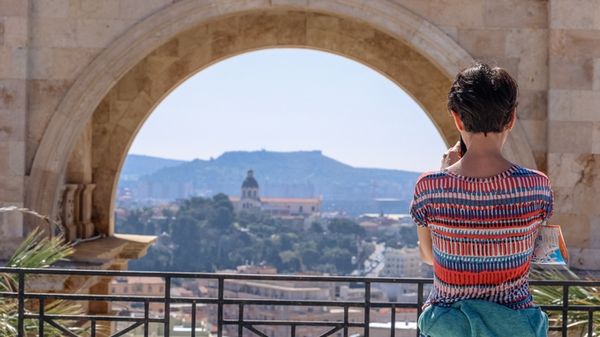
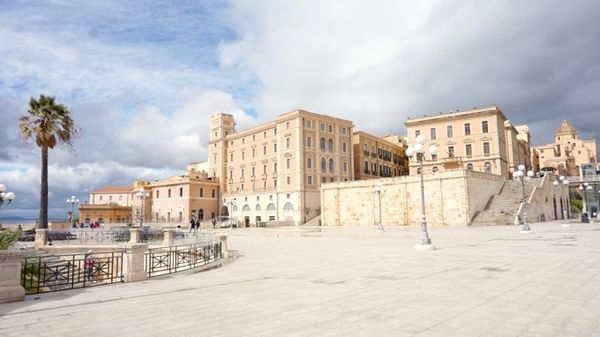
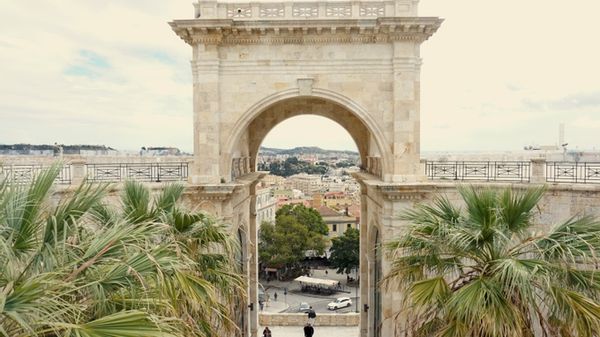
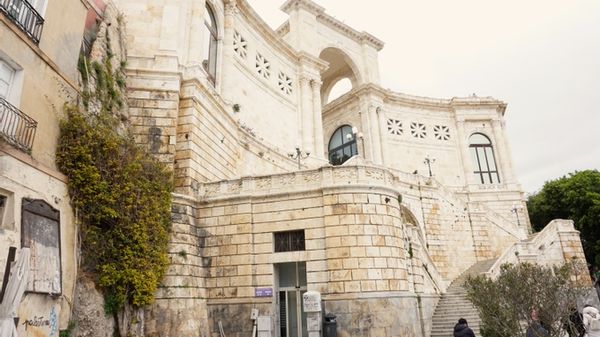
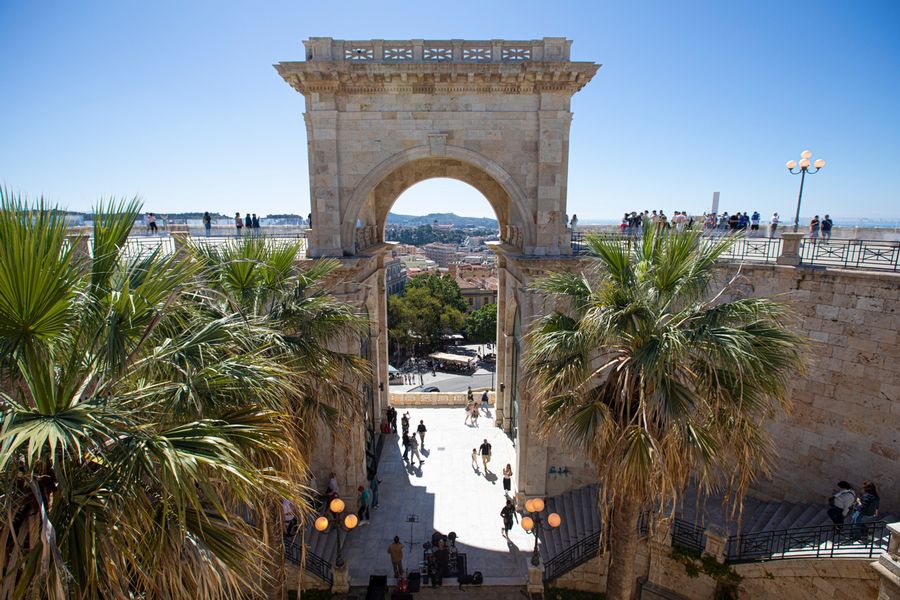
Where Castello descends to meet the lower city, the Bastion of Saint Remy serves at once as physical connector and elevated viewing platform. From its upper terrace, the panorama across Cagliari toward the sea ranks among the finest prospects the city offers. Seen from below, the structure impresses through sheer scale alone. Built between the late 19th and early 20th centuries on the foundations of earlier Spanish fortifications, it takes its name from the Baron of Saint-Remy, who served as the first Piedmontese viceroy of the Kingdom of Sardinia.
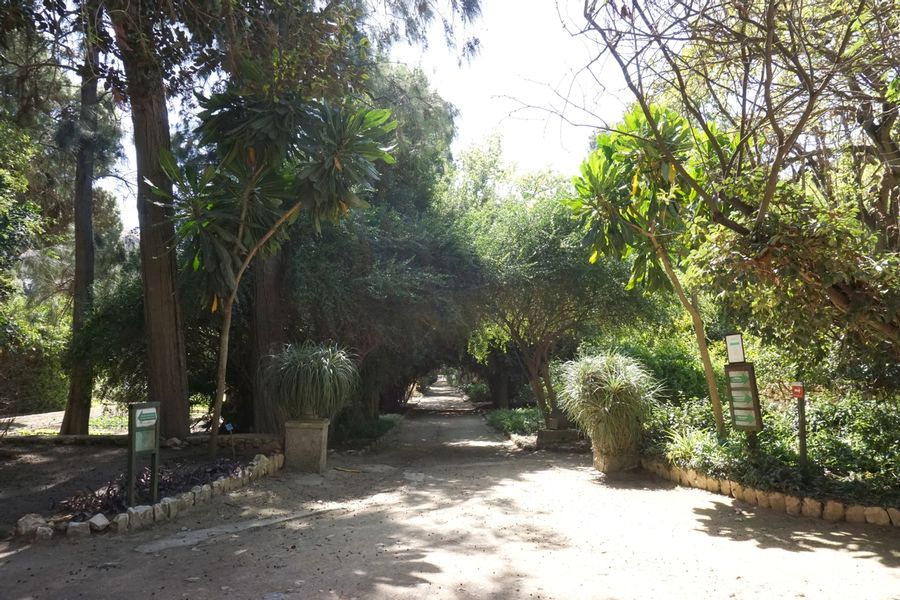
Away from the walls of Castello, the city's pace eases considerably. The Botanical Garden of Cagliari occupies a sheltered pocket of the city, offering a calm contrast to the bustle of nearby streets. The garden carries a notable literary connection: during the 1920s, the mother of Italo Calvino served as its director. Its collection spans native Mediterranean species, a dedicated section of medicinal plants known as the Garden of Simples, and a range of tropical specimens. Set within a busy urban environment, it functions as a genuinely unexpected place to breathe.
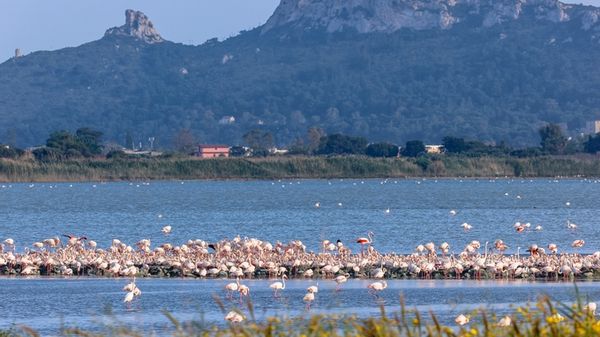
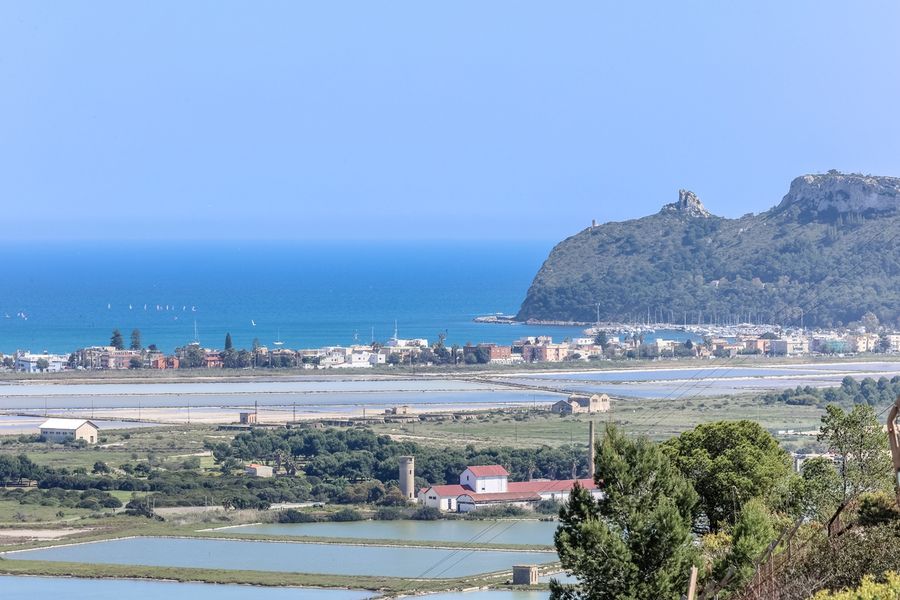
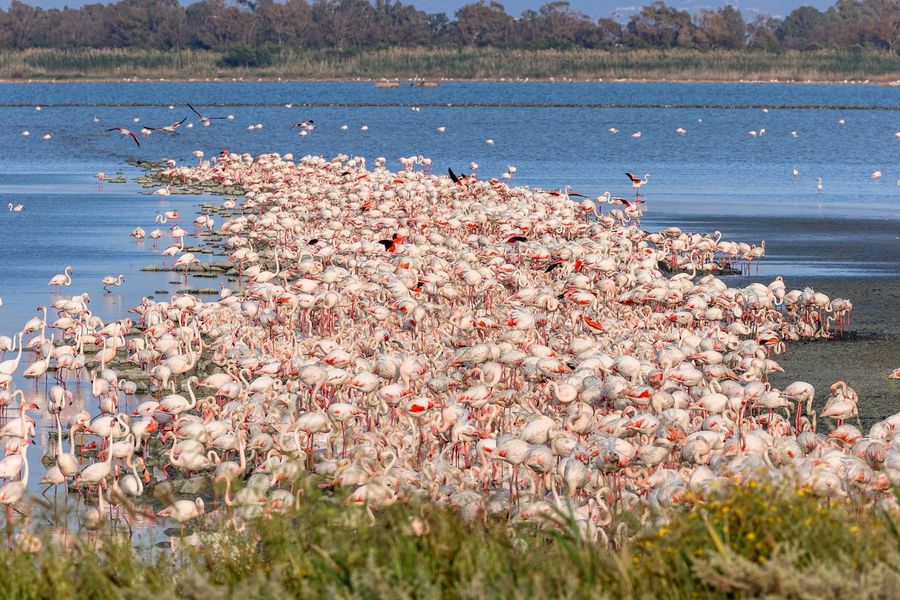
A short distance further out, the Molentargius-Saline Regional Natural Park opens up an entirely different dimension of the city. This wetland reserve, historically significant as a salt production site, is now best known for the pink flamingos that nest and feed within it. For visitors, the sight of large flocks gathered in the shallow waters so close to a major urban centre is genuinely surprising.
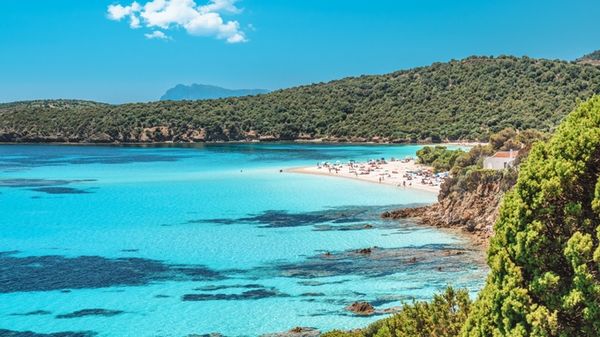
Cagliari is far more than a convenient backdrop for a sailing regatta. Between its ancient amphitheatre hewn from the hillside and its flamingo-filled wetlands, its mediaeval towers and its flower-strung alleyways, it offers the kind of depth that a single visit cannot fully exhaust. Sardinia has always had that quality about it.