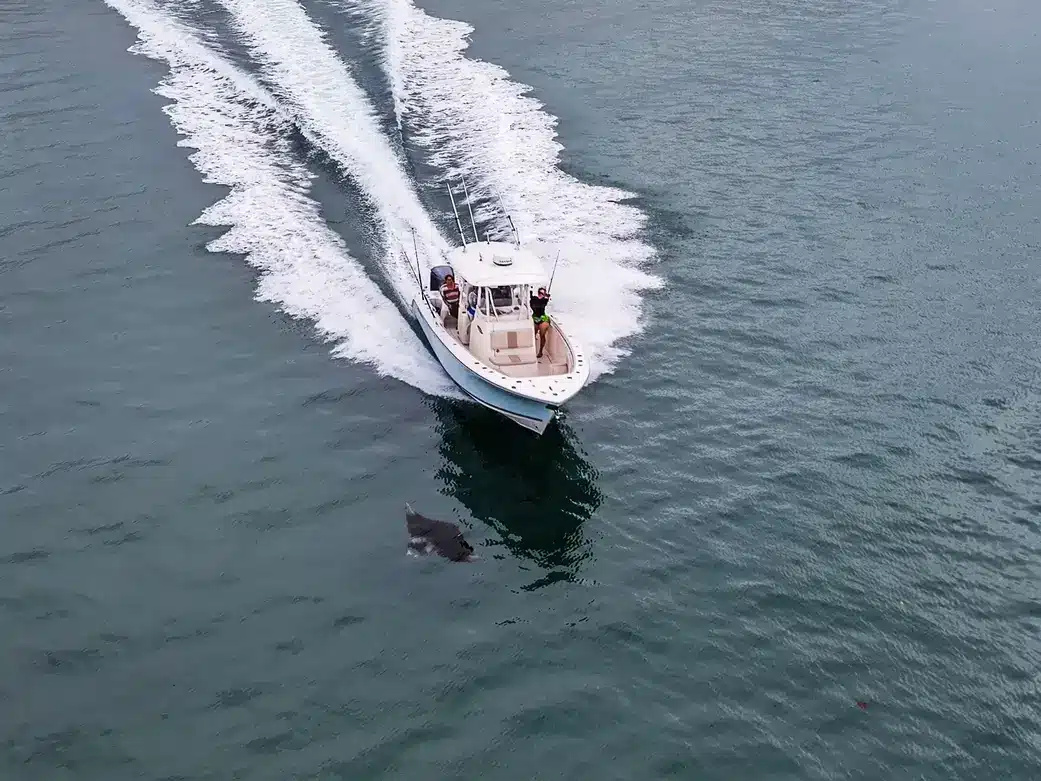
Florida's manta rays are dying quietly, and the evidence is mounting that boaters are to blame.
The Florida Manta Project, part of the Marine Megafauna Foundation, has studied the state's manta ray population since 2016. It has found that coastal south Florida acts as a nursery for the species, with rays born at around six feet across before growing into one of the ocean's more charismatic, long-lived creatures. The trouble starts once they arrive.
Nine percent of juvenile manta rays in the project's database carry evidence of a boat strike wound. Researchers believe that figure understates the real toll. Rays heal fast, scarring isn't always visible, and a ray killed by a strike simply sinks. It doesn't wash up as evidence.
Mantas are also slow to reproduce, so even a handful of deaths a year can tip a local population into decline.
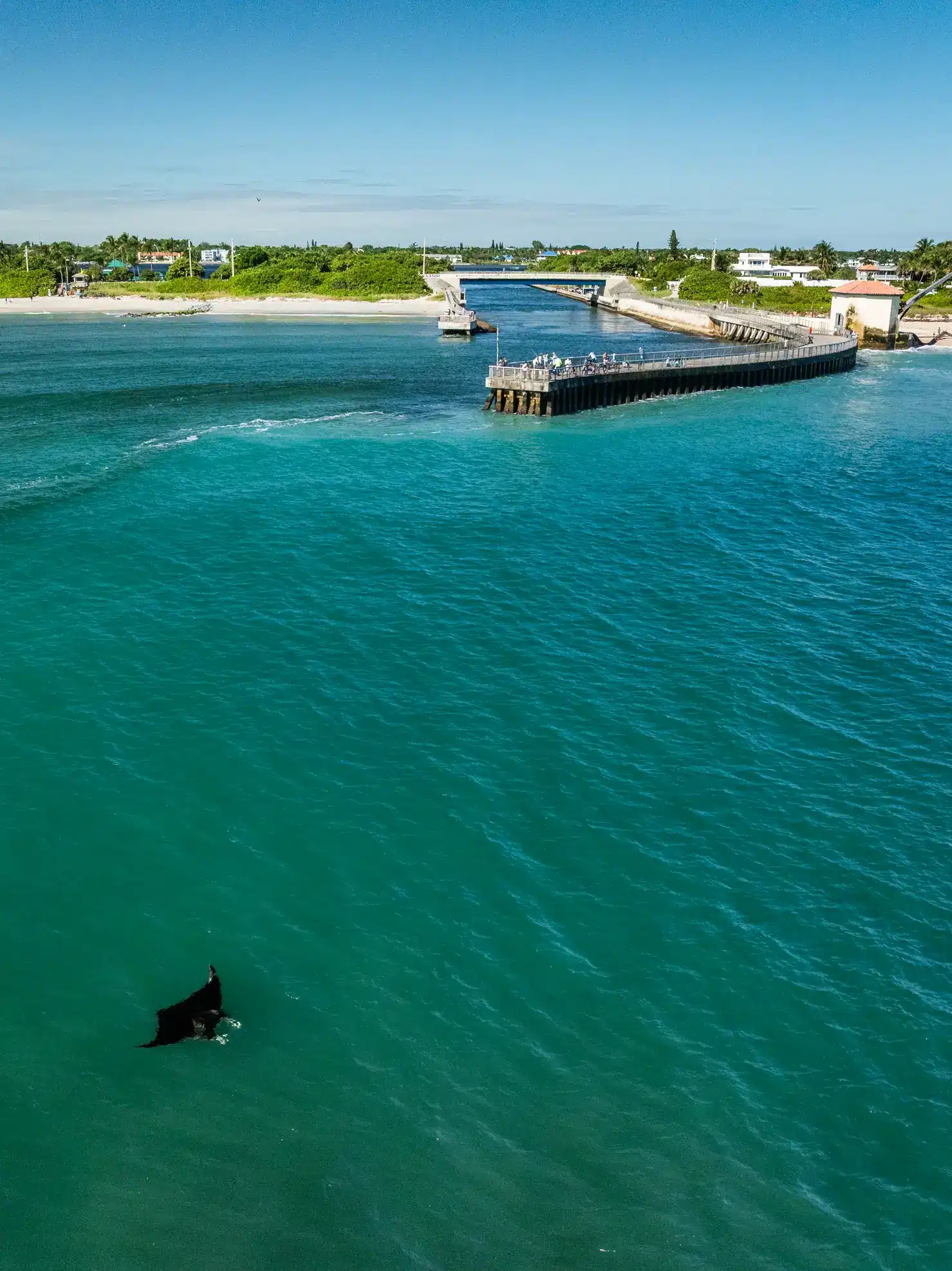
All of the recent vessel strike injuries documented by the project were recorded within two miles of one spot, the Boynton Beach Inlet. Ten years of data show it's a hotspot for young mantas, particularly in late summer and autumn, with ten or more sometimes seen feeding together in the outgoing tide. Researchers aren't entirely sure why the inlet draws them in such numbers, though strong currents and rich feeding grounds are the leading theories.
Mantas aren't confined to Boynton, though. They range the length of Florida's east coast, from Miami and the Keys up to Daytona Beach, and pass through other inlets including Government Cut, Haulover, Boca and Jupiter.
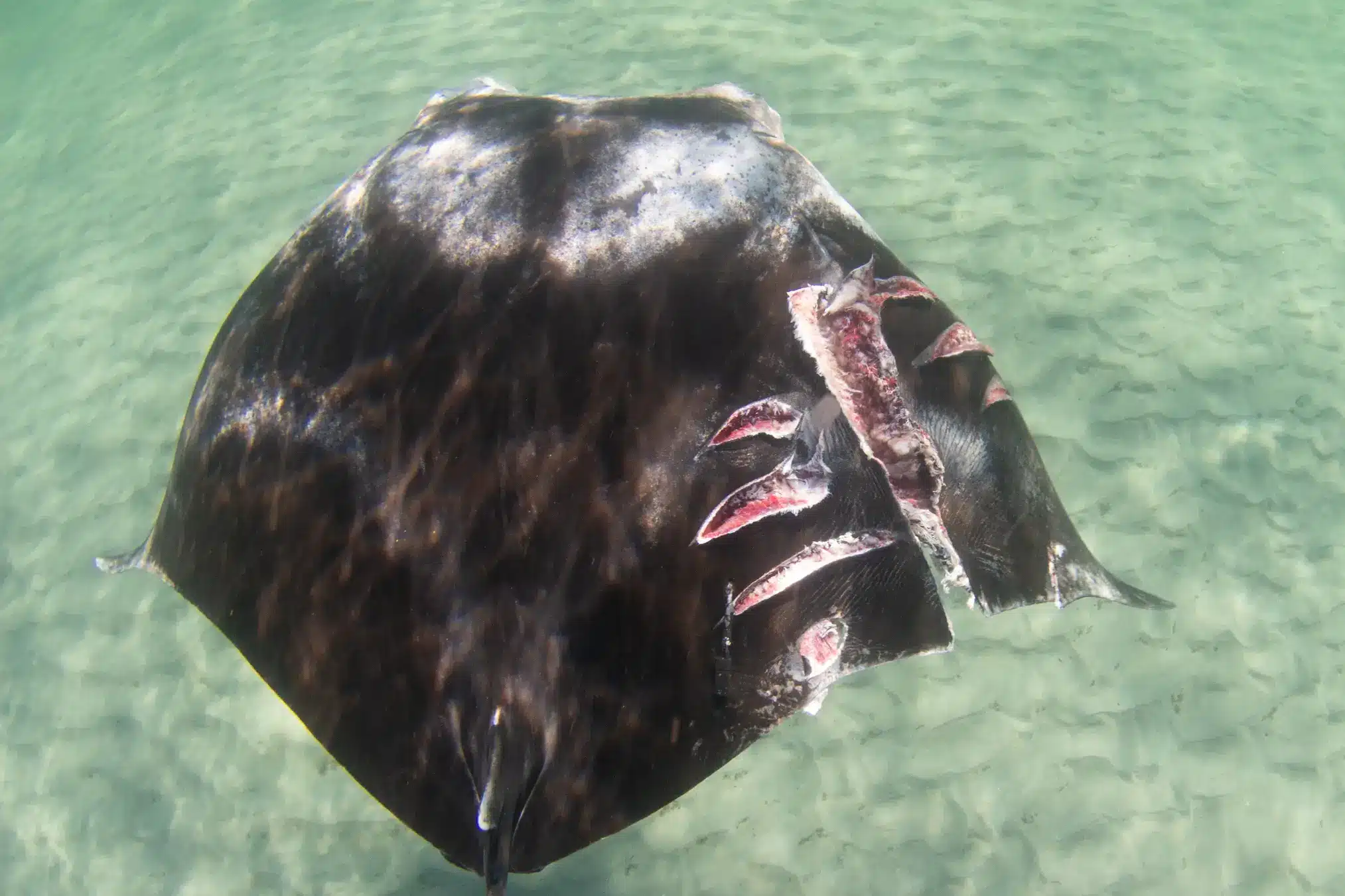
Manatees have carried the vessel-strike conversation in Florida for years, but the project has also documented strikes on dolphins, sea turtles and hammerhead sharks, along with two fatal strikes on snorkelers.
Bryant Turffs, a Florida-based captain and diver who wrote the original account for SeaKeepers, described being frightened himself by vessels passing too close and too fast through the inlet.
"Building a culture of respect" is how the campaign frames its ask. SeaKeepers and the Florida Manta Project are calling on boaters to sign a Manta Ray Pledge, committing to a proper lookout and reduced speed in coastal waters and inlets where wildlife gathers.
Slower boats see more and hit less, giving divers and wildlife alike a fairer chance. Anyone who spots a manta ray is encouraged to note the time, location and a photo, and report it to the Florida Manta Project.