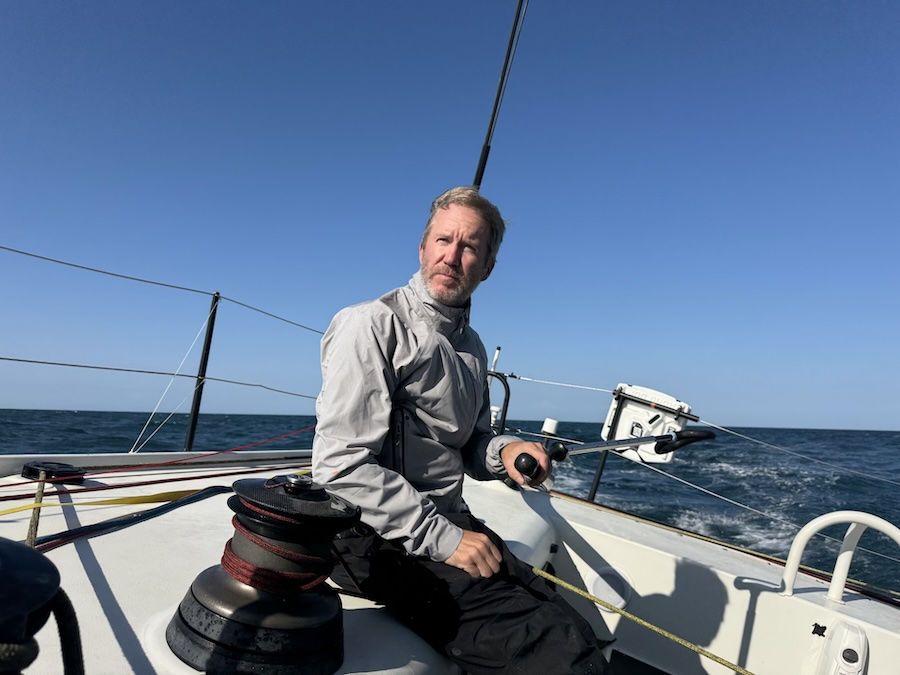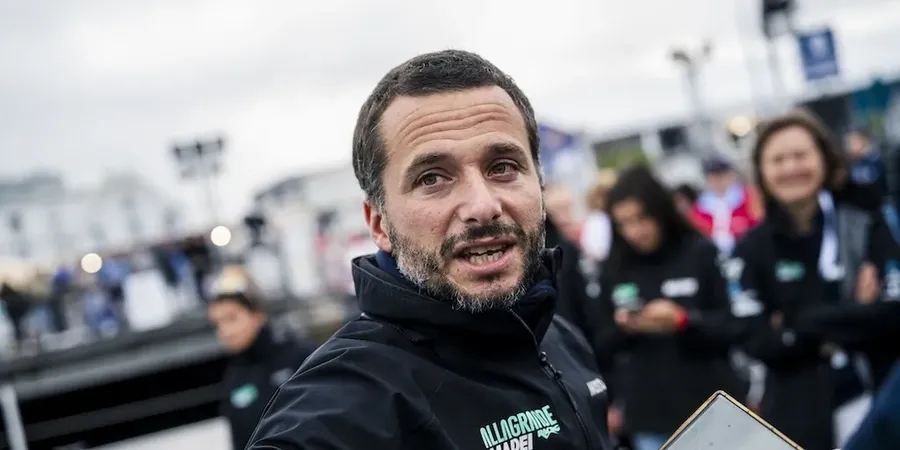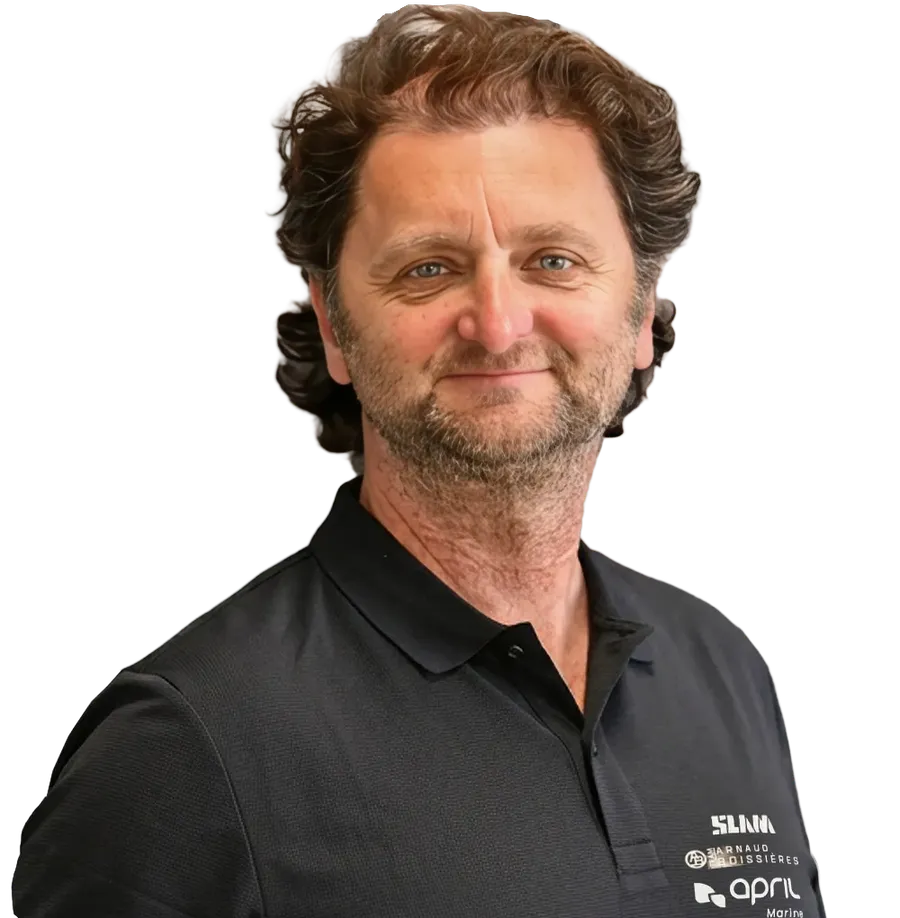
Arnaud Boissières brings a record to the Vendée Arctique 2026 that most offshore sailors could only dream of calling a complete career. Five Vendée Globe campaigns, a home port at Les Sables d'Olonne, and a reputation built not on theatrical moments but on patience and persistence. Known throughout the fleet simply as Cali, the French skipper grew up sailing Arcachon Bay and has spent the decades since accumulating an ocean résumé defined by methodical, unsentimental dedication, the kind that earns deep respect across the professional peloton without ever demanding attention.
The Vendée Arctique presents a different proposition from the full circumnavigation Boissières knows so well. Higher latitudes and a tighter race window tilt the equation away from pure endurance and toward rapid tactical judgement and precise navigation. He is not a sailor who reaches for grand statements when faced with such challenges. His approach has always been to let the results do the talking.
His IMOCA 60, campaigning under April Marine colours since 2025, arrives at the start line carrying its own substantial history. Constructed by Green Marine in Southampton in 2015 to a VPLP/Verdier design, the boat measures 18.28 metres and displaces 7.5 tonnes. A foiling platform with genuine class credentials, it has raced at the front of the IMOCA fleet under several previous identities, among them Hugo Boss, 11th Hour Racing, and Guyot Environnement. Boissières' thorough familiarity with the boat is no minor asset when conditions deteriorate and decisions need to be made without hesitation.
What gives this campaign a significance beyond the race itself is the destination already fixed in his mind. Even while preparing for the Vendée Arctique, Boissières has his sights trained further ahead, toward a sixth consecutive Vendée Globe in 2028. Seen in that light, the Arctic edition is less an end in itself than a calculated waypoint, an opportunity to stress-test equipment, sharpen tactical instincts, and gather the kind of hard-won knowledge that only competitive racing at this level can provide. For anyone who follows Southern Ocean competition closely, that sort of sustained, long-game commitment to ultra-distance offshore sailing is a rarer quality than it once was in the modern professional fleet.