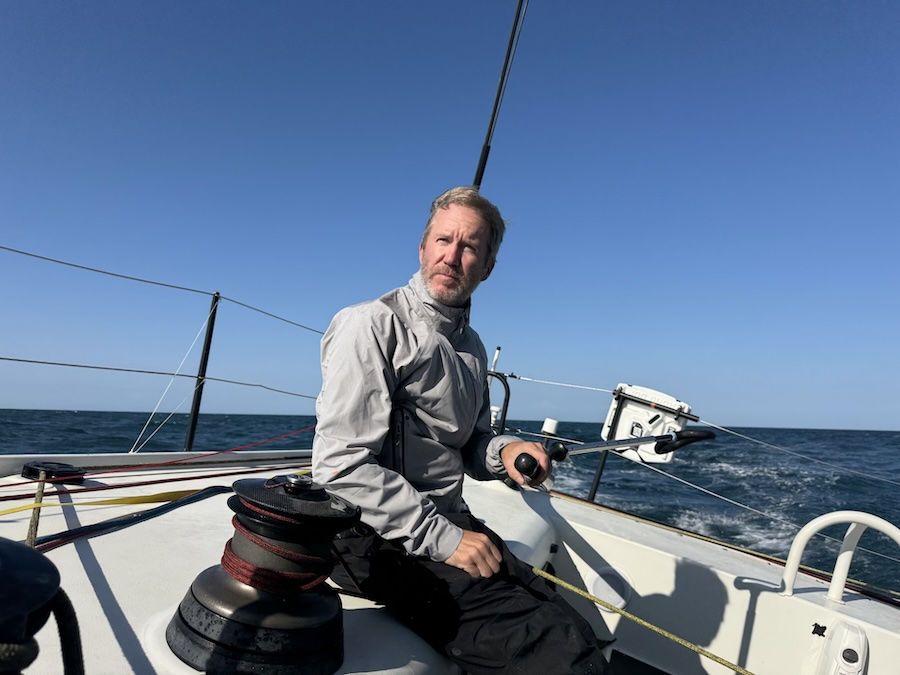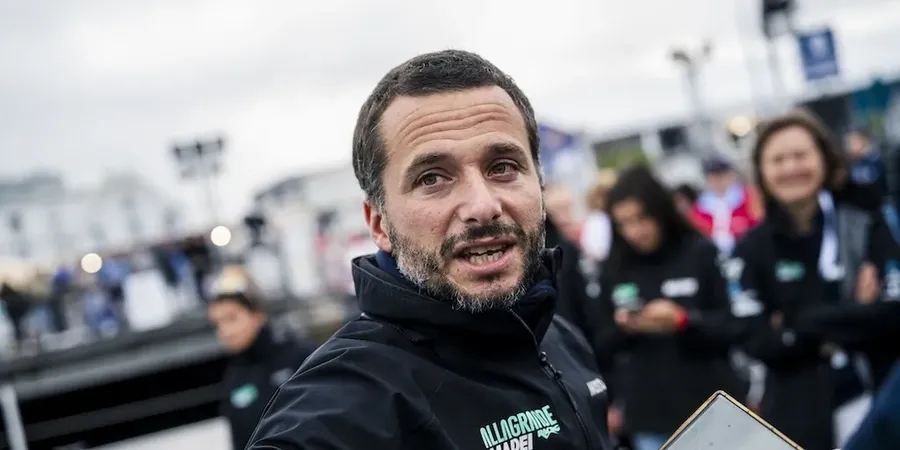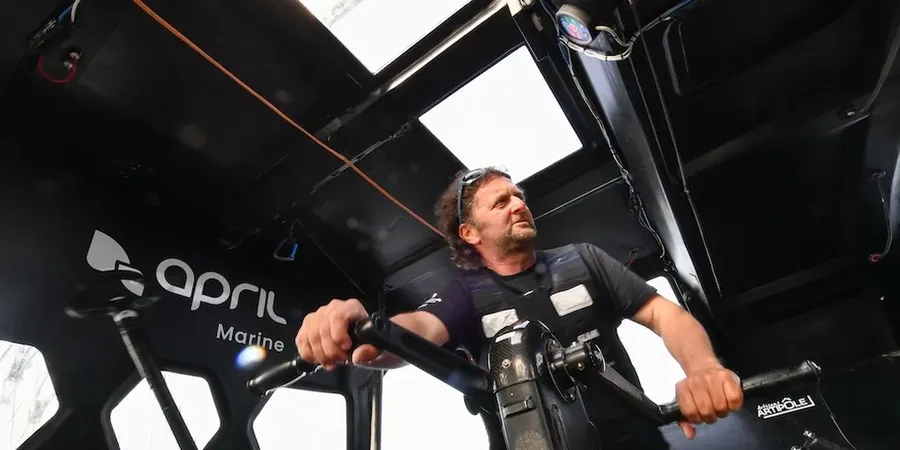
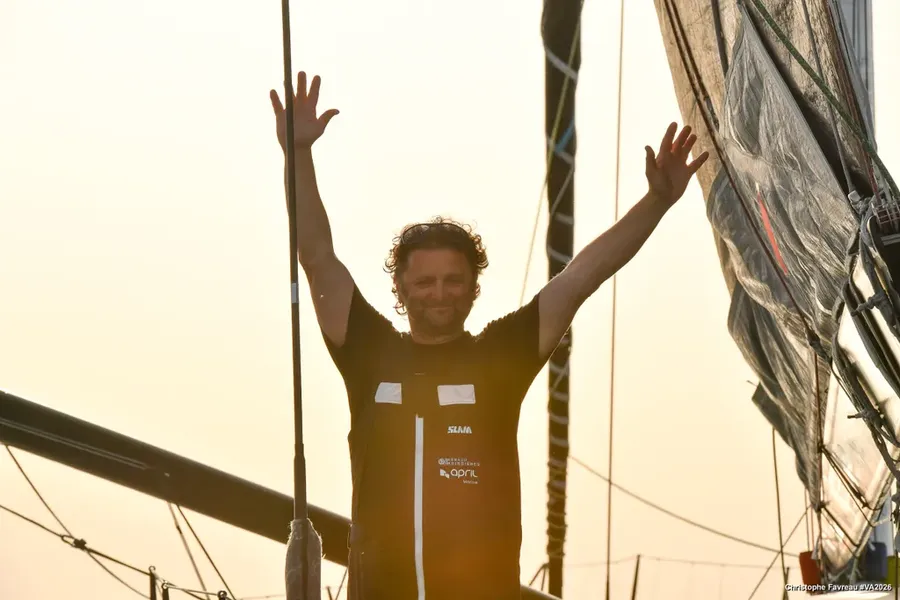
Arnaud Boissières has done the math on sleep deprivation and perpetual daylight, and he is going back for more. At 53, the Arcachon-born skipper who has made Les Sables-d'Olonne his home is among the most experienced hands in this fleet. He has started the Vendée Arctique twice before, a record matched only by Manu Cousin among the current entrants, and his third campaign begins within days. He carries no illusions about what is coming, only the particular kind of readiness that accumulates across decades of IMOCA racing.
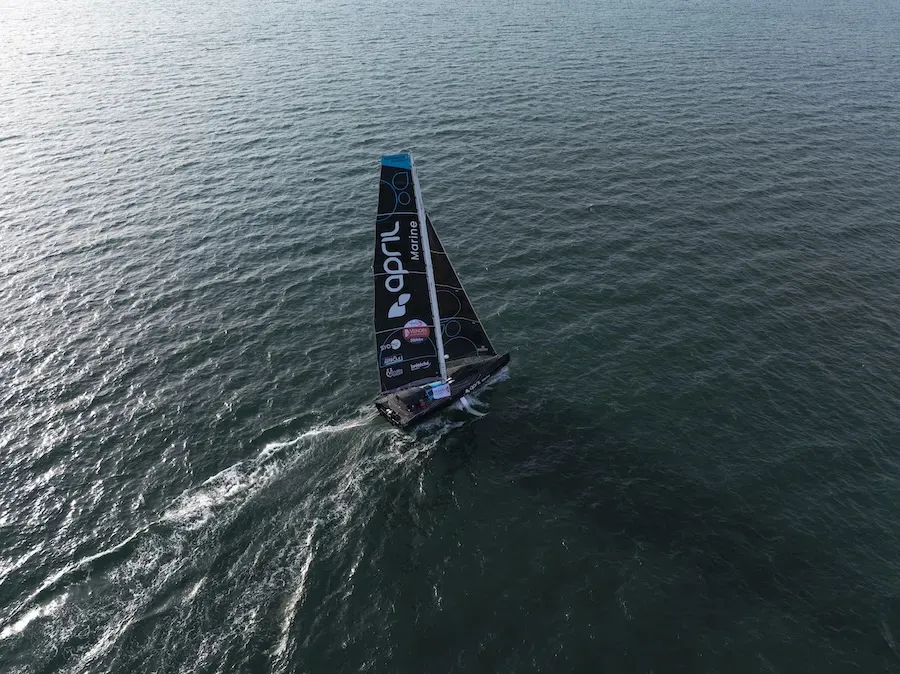
This edition's course is a different creature entirely. Where previous Vendée Arctique routes offered some measure of structural predictability, this one pushes skippers above the Arctic Circle and then releases them to find their own way, hunting the storm systems that track further north at this time of year. The freedom sounds appealing until you work through its implications. Those northern low-pressure trains travel laterally, and the fleet will have to follow suit, sailing with wind and sea pushing hard from the side. Offshore skippers spend most of their careers trying to avoid exactly that angle. Boissières does not flinch from that reality. "The sea has a talent for showing us something new every time," he said. "We'll be taking the depression trains from further north, so sideways. Wind and sea from the side. Even though our boats circumnavigate the world, we generally avoid those angles. Here, we won't have a choice."
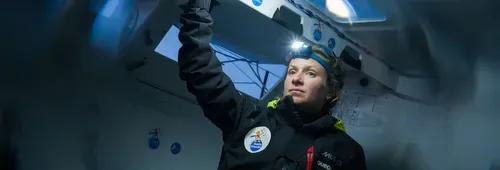
The tactical picture is only part of it. At these latitudes in summer, darkness never properly arrives, and the body pays a price that willpower alone cannot cover. Boissières has sailed in polar conditions before and takes the physiological demands seriously. He has prepared a sleep log and will use an eye mask, approaching rest as a strategic resource rather than a concession to tiredness. His reference point is the Al Pacino character from the Alaska-set film Insomnia, and the comparison is wry but precise: unrelenting daylight erodes even the most experienced minds. Nutrition, recovery, and knowing when to ease off the boat rather than drive it hard all sit alongside weather routing as decisions that can decide a race.
So why line up a third time? For Boissières, the answer comes back to originality. He describes it as something like a compass heading, a pull toward the genuinely unknown that sits beneath any consideration of results or rankings. The Vendée Arctique, in his telling, is a race that has no script to follow. For a skipper who has seen most of what offshore sailing can produce, that is reason enough.