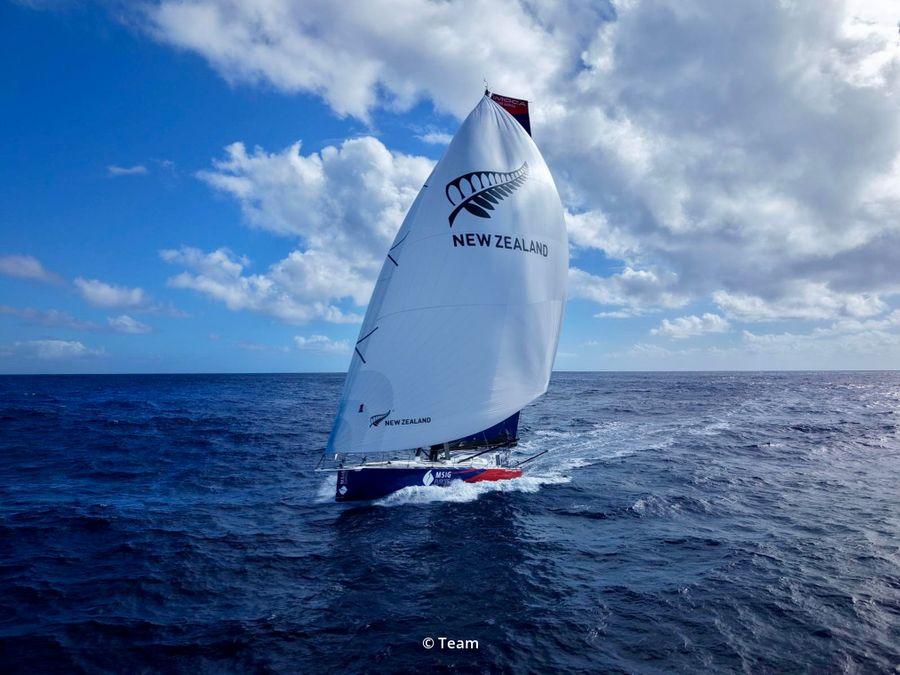
Aotearoa Ocean Racing has confirmed a significant new partnership as it builds towards its next Ocean Race campaign, teaming up with KiwiFibre, a New Zealand company developing high-performance composites from sustainable, locally grown materials. The collaboration goes beyond a technical arrangement: AOR is committing to a future where competitive ocean racing and responsible materials science advance together.
View this post on Instagram A post shared by Aotearoa Ocean Racing (@aotearoaoceanracing)
At the heart of KiwiFibre's work is harakeke, a plant with deep roots in New Zealand culture. For centuries, Māori have used harakeke in the construction of waka, in the making of rope and tools, and in intricate weaving traditions. KiwiFibre has taken that same plant and re-engineered it into a composite material that delivers a compelling strength-to-weight ratio while sidestepping the environmental costs associated with conventional carbon fibre production.
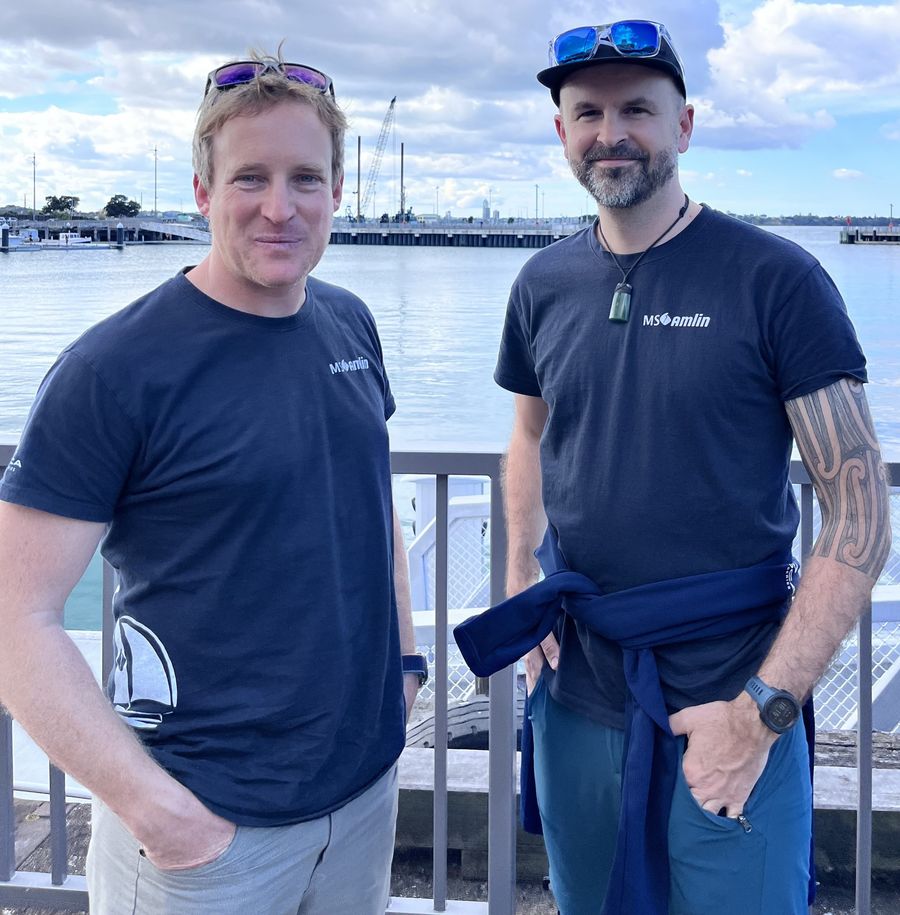
For AOR, the combination of cultural significance and high-performance engineering is what makes the partnership compelling.
“Offshore racing is the ultimate test bed for new materials,” said co-founder and skipper Conrad Colman. “By integrating KiwiFibre into our IMOCA, we can see how natural fibres respond to real pressure while staying connected to our maritime roots.”
Testing the material at ocean-racing speeds
The practical side of the partnership involves introducing KiwiFibre's regenerative composite into selected non-structural components aboard AOR's IMOCA. Placing the material in these areas allows for genuine real-world evaluation without compromising the structural integrity of the boat. The conditions it will face are unforgiving: heavy wind ranges, slamming loads, prolonged exposure to the ocean environment, and persistent vibration across thousands of offshore miles.

There is no more demanding testing ground for a new composite than offshore racing at this level. KiwiFibre CEO and co-founder Ben Scales views the collaboration as a milestone not just for his company, but for the broader composites industry.
“This partnership honours the materials used in traditional waka while proving that natural fibres can tackle today’s design challenges,” he said. “The marine sector faces environmental and health concerns around carbon fibre. Harakeke offers a credible way forward.”
Data and insights gathered from the IMOCA's offshore miles will feed directly back into KiwiFibre's research programme, helping refine the material for future applications across marine, industrial, and commercial sectors.
The 2027 Auckland stopover in view
Both organisations are already looking ahead to the 2027 Auckland stopover of The Ocean Race, where they plan to put their collaboration in front of a wide public audience. Preparations are under way for hands-on exhibits and live demonstrations at the Race Village in the Wynyard Quarter. Visitors will have the opportunity to see how harakeke is processed, understand how KiwiFibre constructs its composites, and discover how the finished material is incorporated into a modern IMOCA.
AOR co-founder Rowan Gyde described the partnership as one that fits naturally with where the team is heading.
“We’re committed to systems and materials that perform at the highest level while lowering our environmental footprint. KiwiFibre fits that path, and Auckland in 2027 will be the ideal place to share what we’ve learned.”
Woven from home
What gives this partnership a quality that sets it apart from a typical technical sponsorship is the sense of identity running through it. Harakeke belongs to Aotearoa's cultural story in a way few other materials could. Offshore ocean racing represents the outer edge of marine engineering ambition. Bringing the two together feels not only logical, but long overdue.
The project makes a clear case that sustainable design and elite performance are no longer in tension. For a new generation of Kiwi-led ocean racing, the two are becoming two sides of the same coin.
AOR's next Ocean Race campaign is already in motion, and this partnership means the boat will carry something distinctly of this place: a material grown from New Zealand soil, shaped by its cultural heritage, and built to endure the most demanding miles the ocean can offer.