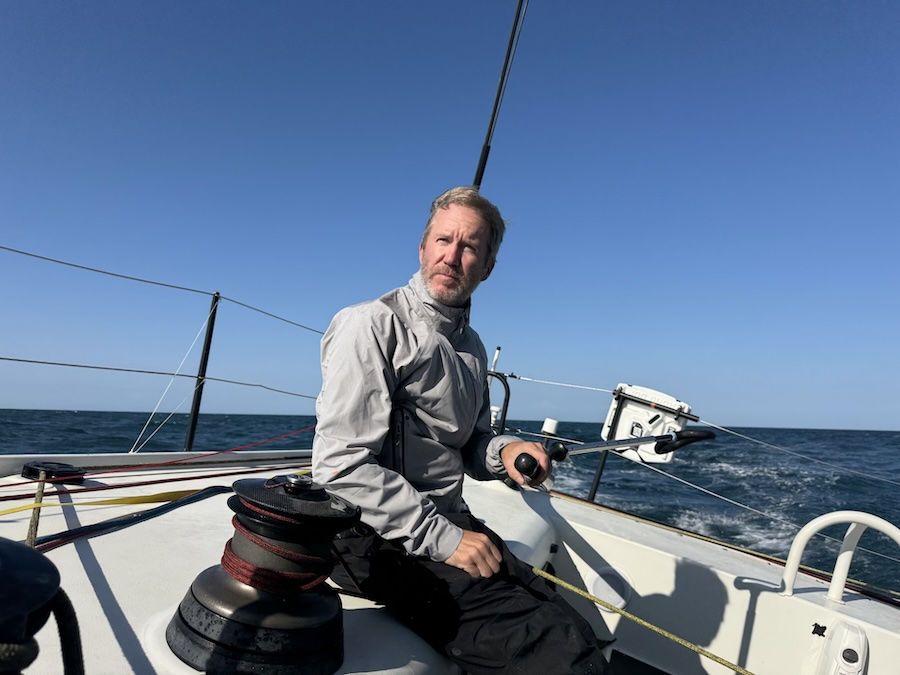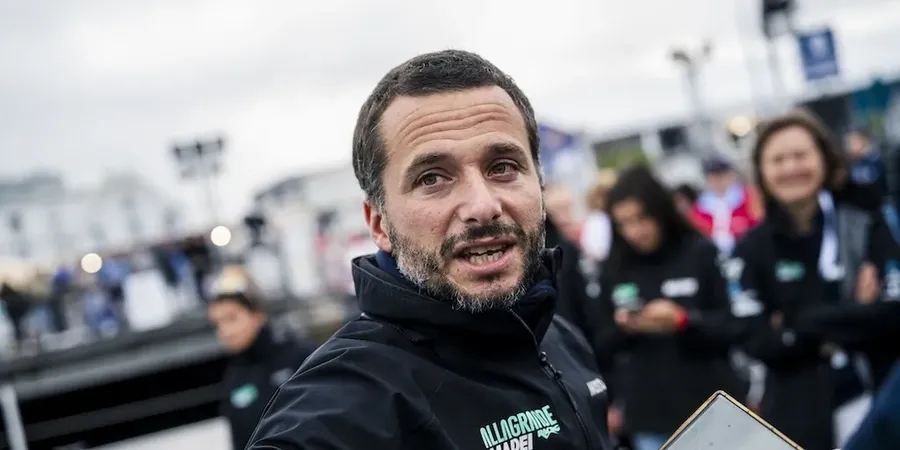
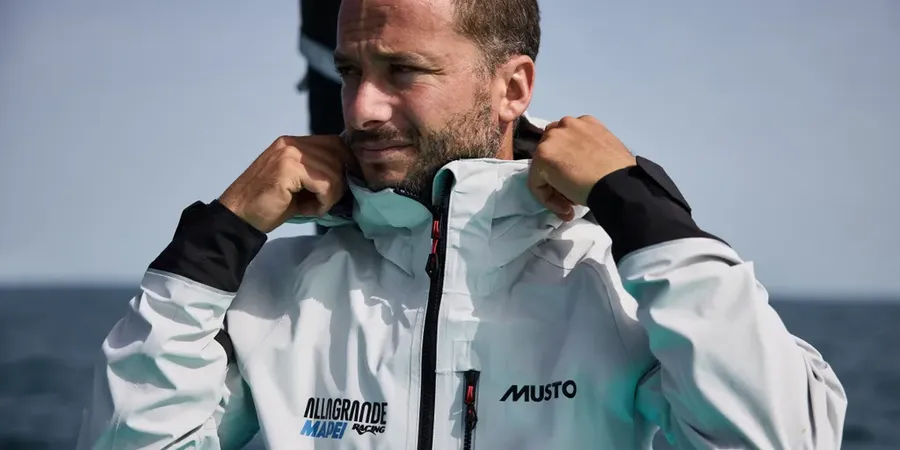
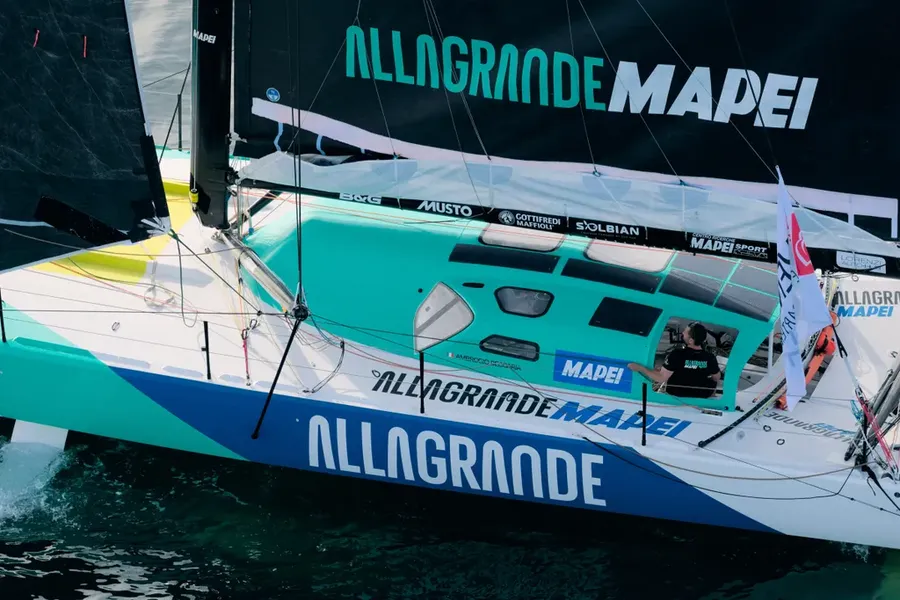
Ambrogio Beccaria is prepared to say something that most solo ocean racers prefer to keep to themselves: he does not know these waters, and he doubts that many of his rivals truly do either. The Milan-born sailor heads to the Vendée Arctique startline having devoted more time to studying Arctic charts than to cataloguing the risks aboard his substantially overhauled IMOCA, Allagrande Mapei. That ordering of priorities reflects something deliberate about the way he approaches a race.
His record in smaller classes leaves little room for doubt. A Mini Transat 6.50 Series victory in 2019 was followed by a runner-up finish in the Class40 Route du Rhum three years later. Those results forged a particular competitive temperament, one that absorbs the pressure of a race in progress and adjusts, rather than clinging to a plan drawn up on shore. The Vendée Arctique, however, calls for something he has not yet been asked to provide. This is his first solo IMOCA campaign, and he was absent from the 1000 Race in May, the event that handed most of his competitors their earliest understanding of these boats and this class. He arrives at the start carrying more unknowns than almost anyone else on the water.
"I studied the route before the weather," Beccaria said. "Because I don't know this zone at all. I don't think many people really do."

The course pushes north to 66 degrees latitude before a largely open run back to Les Sables-d'Olonne, and the strategic complications multiply quickly once the detail is examined. Committing too early in one direction on the northbound leg can close off options for the return. Ice conditions may drive boats toward the shelter of the Icelandic coast, or conditions may stay clear enough that such caution costs time. Some sections will reward conservative sailing, others may punish it, and Beccaria does not yet have a reliable sense of which are which. Behind all of those tactical uncertainties sits a more personal question: how will he manage forty-odd days alone aboard a boat that has been fundamentally redesigned, in a part of the ocean that forgives little?
His response to those uncertainties has not been to conceal them. For a sailor still finding his feet in his first IMOCA campaign, that readiness to name the gaps in his own knowledge is notable. Arriving at the Arctic carrying misplaced confidence is arguably a more dangerous condition than arriving with genuine curiosity, and Beccaria appears to have grasped that distinction clearly. Whether that open, enquiring mindset survives the moment the ice edge actually comes into view is what the race itself will determine.
Anyone with experience of IMOCA campaigns recognises the pattern. Certain stretches of ocean, the Gulf Stream among them and the Southern Ocean above all, deliver lessons that no amount of preparation on shore can fully anticipate. For Beccaria, the waters reaching north toward 66 degrees will serve as that education. He has, at the very least, chosen to enter the classroom knowing that he does not yet have all the answers.