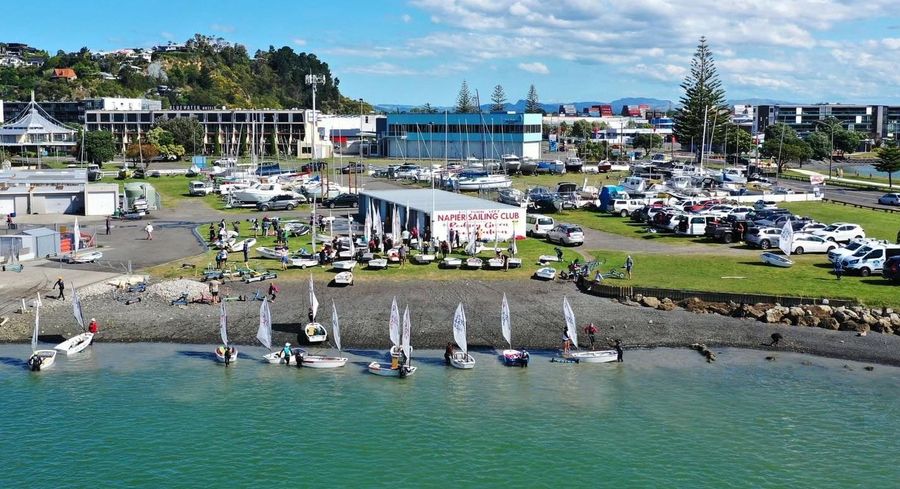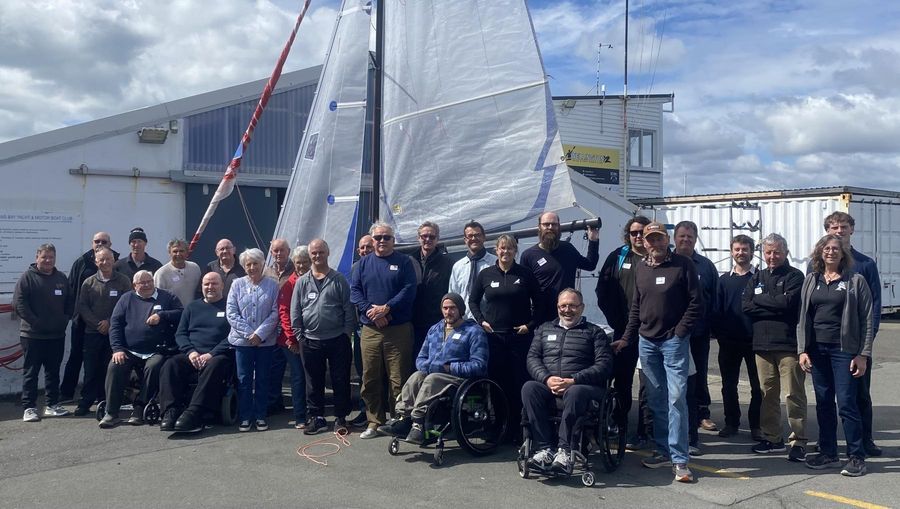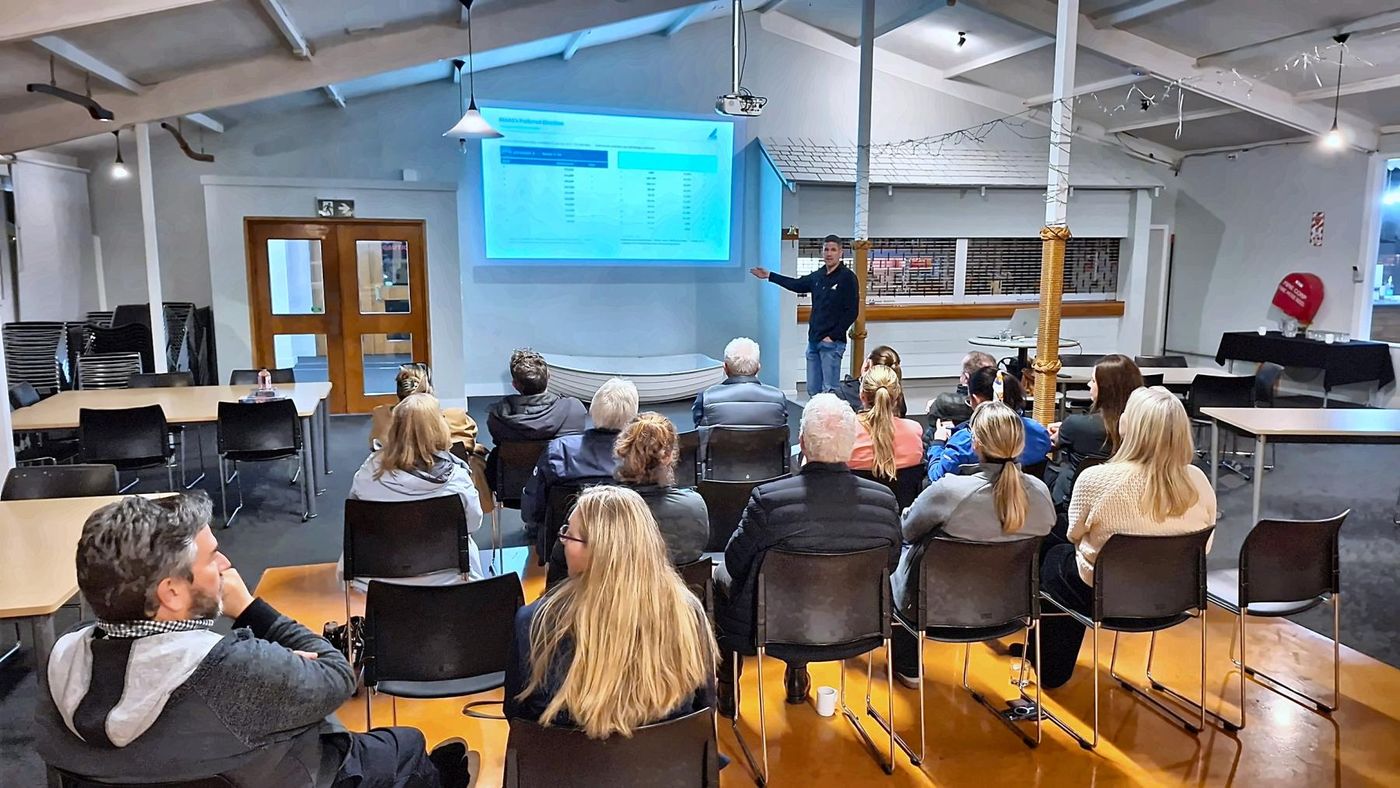
Yachting New Zealand's Club Roadshow has wrapped up after a nationwide tour of clubrooms, and chief executive Steve Armitage says the conversations kept circling back to the same themes: value, cost and participation.
Those aren't comfortable topics for any sport to sit with, but Armitage reckons they need to be asked regularly, not just when times get tight.
"Clubs, boaties, sailors and parents are asking whether the sport is getting value for what it puts in, and whether our current model is fit-for-purpose," he said. "These are the right questions, and I want to address them directly."
He's at pains to point out sailing isn't struggling alone. The most recent National Sport Club Survey, which covered 747 clubs across more than 78 sports, found the number of clubs reporting financial deficits has doubled since before Covid. Facilities, insurance and running costs are all climbing, families are feeling the pinch of simply taking part, and volunteers are shouldering more of the load than ever.
The Institute of Directors' latest sport governance report backs that up. Expectations placed on sport have outpaced the funding and support available to meet them, it found, often because the models underpinning clubs were built for a different era entirely.
Armitage is clear-eyed about where Yachting NZ's money comes from. Affiliation fees and Sport NZ investment form the core, topped up by grants and commercial partnerships. Sport NZ funding is tied to specific outcomes, while affiliation fees fund the services clubs actually lean on day to day.
"Every affiliation dollar is invested in resources that support our clubs," he said, while acknowledging there will always be debate over exactly how that funding gets allocated given the different needs across the club network. That debate, he says, is healthy too.
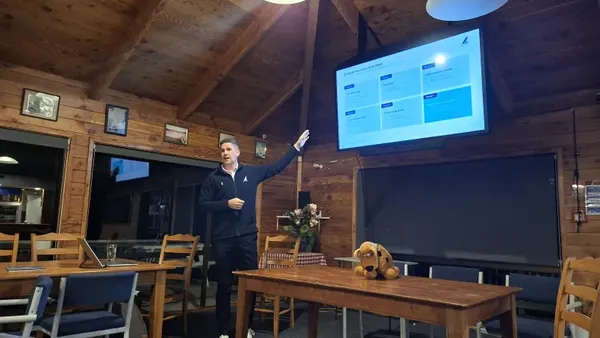
What does affiliation actually buy a club? Quite a lot, it turns out. It links 106 clubs into one national sport and gives members the right to race under the Racing Rules of Sailing, from club level through to national and international events. It also enables advocacy with local and central government, provides safety regulations and training, officials, race management and coach training, helps clubs access community and gaming trust funding, and gives every club a vote on the direction of the sport.
Much of that work happens quietly, Armitage admits, and Yachting NZ wants it seen more.
There's also an effort under way to lighten the load clubs carry directly. A club management tool is being developed to take administrative pressure off volunteers and cut the cost of the separate systems many clubs currently pay for. New partnerships and more targeted member benefits are in the pipeline too, aimed at easing the cost burden on clubs and their members.
The affiliation model itself is under the microscope. Members challenged Yachting NZ to look again at how it works at last year's AGM, and a proposed new model will go before members at the upcoming AGM. Armitage thanked Andrew Robertson and the Membership Affiliation Advisory Group (MAAG) for their time and support in progressing towards a proposed model, adding that whatever the outcome, the broader programme of work won't change.
The roadshow and the MAAG process reinforced one thing above all, according to Armitage: the people closest to the sport know what's working and what isn't. That feedback, he says, is already shaping everything from the affiliation proposal to the tools and benefits being built for clubs.
Sailing and boating, like every sport, has to keep evolving to stay relevant to how people want to take part today, Armitage said. Yachting New Zealand, he added, is committed to evolving with it, and to keeping clubs informed as the work progresses.