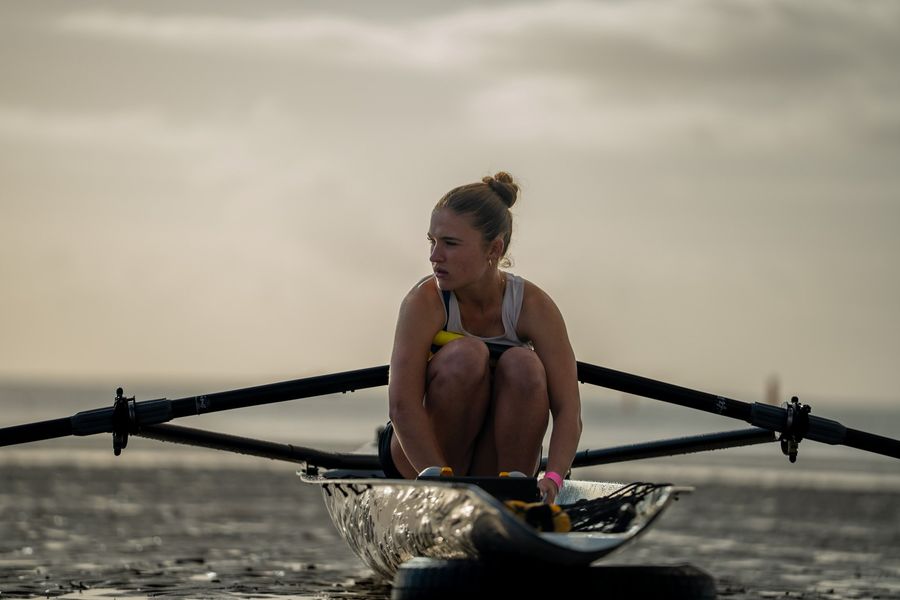
Bulgaria's warm-water regatta handed New Zealand's rowing squads something they rarely encounter at World Cup level: genuine room to experiment. With many leading nations absent from Plovdiv and the international field noticeably thinned, the Kiwis could test new combinations, push at boundaries, and measure progress against their own benchmarks rather than purely against the world's best.
How depleted the field was became clear from the opening sessions. A fortnight on from Seville, many of the nations that had raced in Spain either withdrew into training camps or avoided the scheduling conflict entirely. Those who did make the trip to Bulgaria frequently brought fresh or untested lineups. For New Zealand's coaches and athletes, the circumstances added up to an unusual window of opportunity.
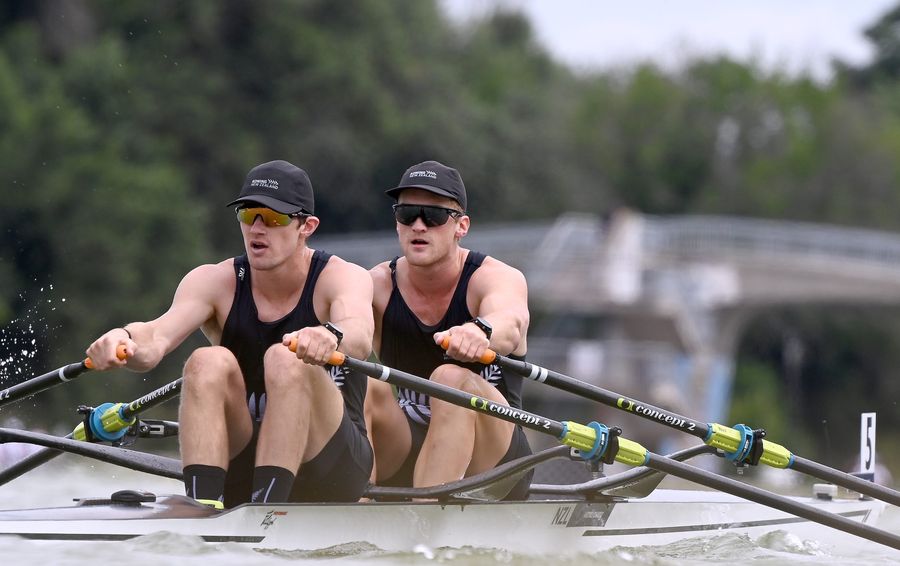
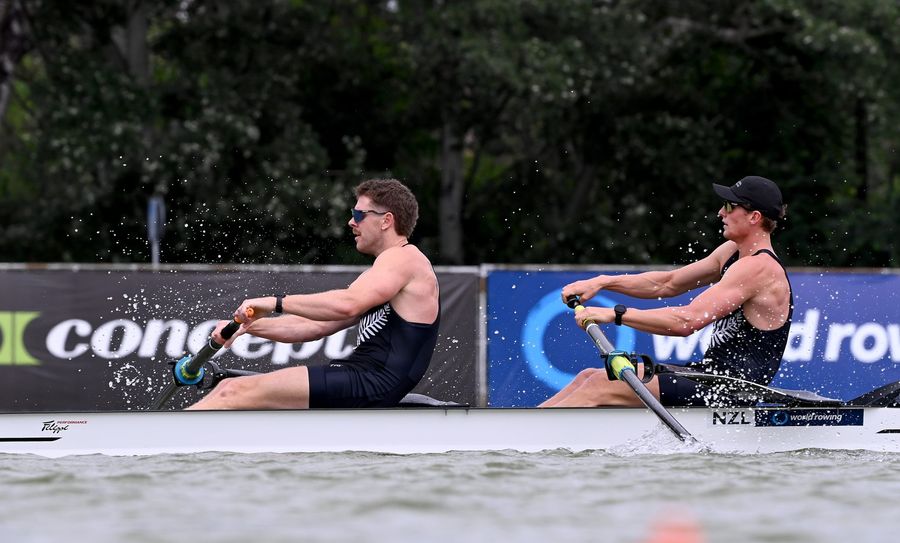
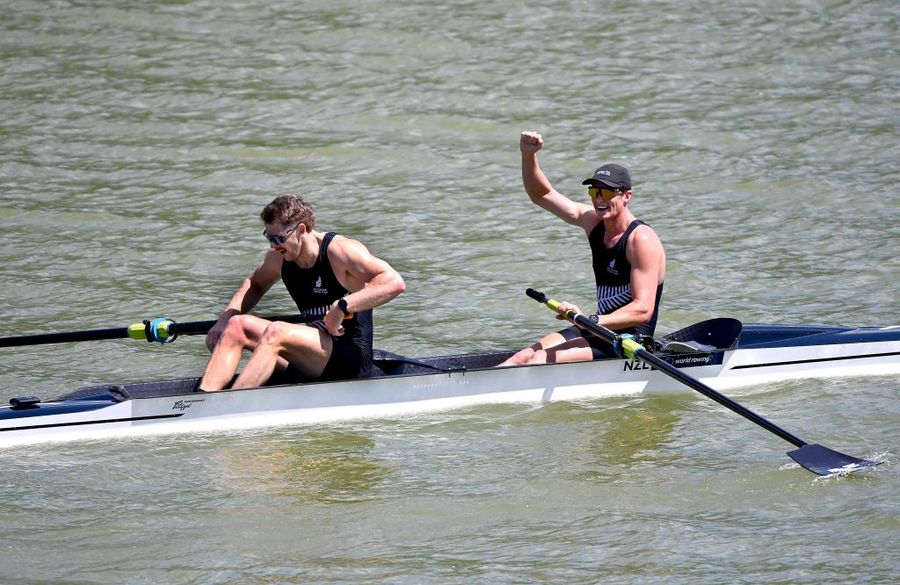
World champion pair Ben Taylor and Oli Welch have never needed an outside spur to find speed. Their heat victory in 6:19.01 reflected the same philosophy that has carried them to the top of their event: set the standard, then chase the clock. They came home less than three seconds off their personal best from the heats at last year's World Championships, with Serbia clocking 6:29.76 and China 6:34.24. Italy's heat was won in 6:26.07.
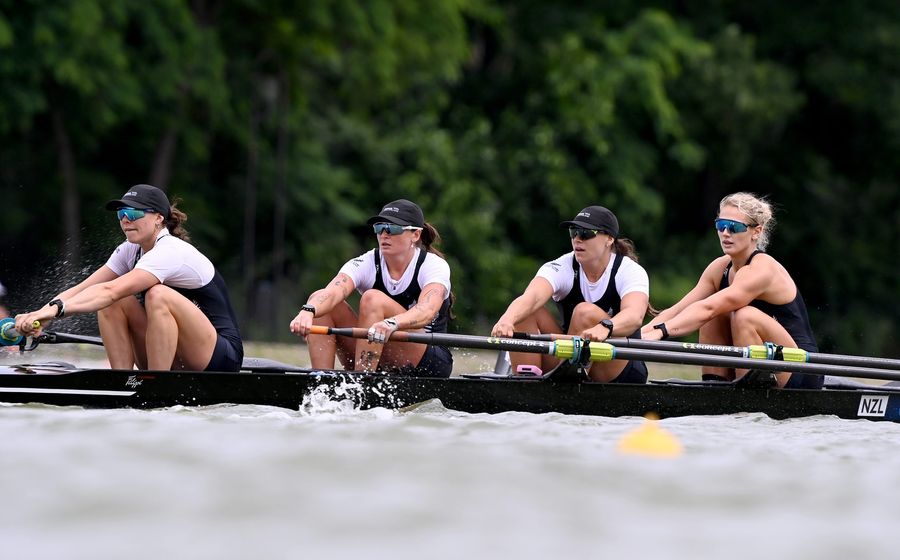
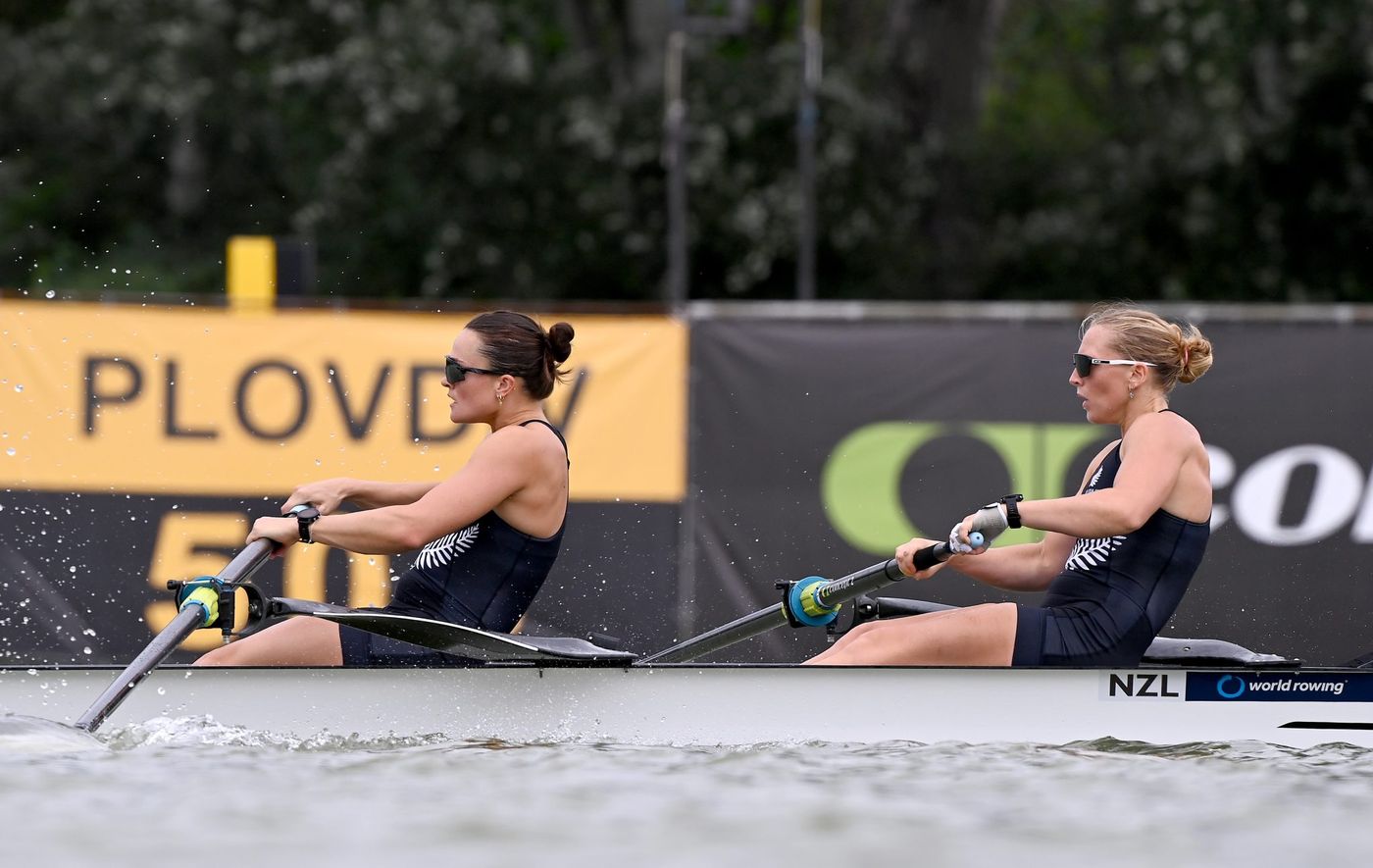
Katie Lush and Juliette Lequeux have had far less time to forge their partnership. Brought together after Alice Fahey's injury, the two had barely shared a boat before heading to Europe last month. They put their limited preparation to good use in Seville, winning the B Final, and arrived in Plovdiv drawn against the Abrahams of Chile and the Czech pair, who had taken gold and bronze respectively in Spain. The Abrahams crossed first in 7:01.42, Czechia second in 7:04.63, with New Zealand close behind in 7:05.62. Lush found particular encouragement in how the closing stages had played out. "We didn't realise how close we were to them so it'll be cool in the final to see if we can give it a crack a bit earlier," she said. "I think we've definitely closed the gap from Seville. Those crews were a bit ahead of us there, so to narrow that margin is a step in the right direction."
For Lequeux, the priority has been the technical work of building trust within the boat. "Especially for me being in bow seat, just figuring out how to follow and lean on Katie a bit more," she explained. "Our first 500 today just felt a lot more connected to each other."
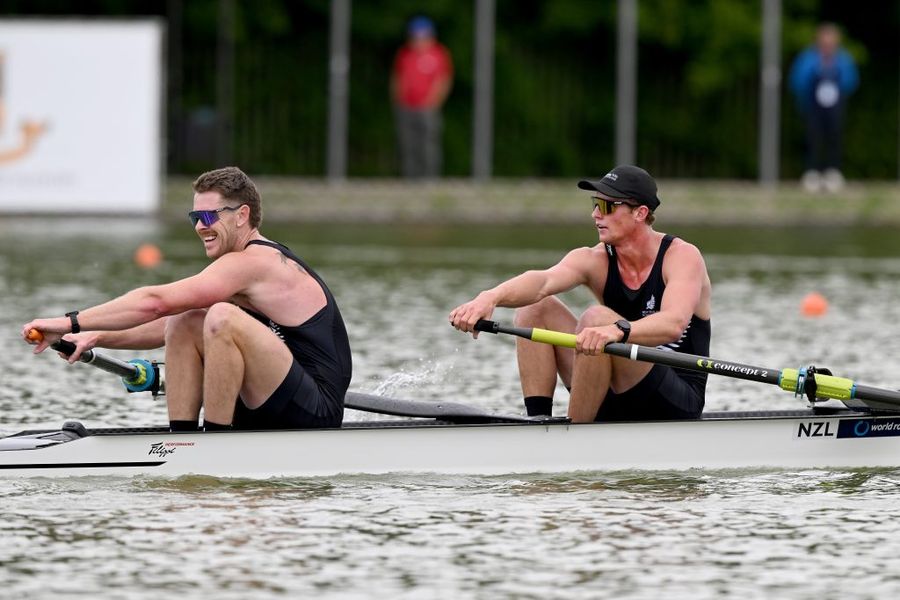
Among the bolder calls of the day was the decision by Finn Hamill and Ben Mason to move Hamill into the stroke seat ahead of their men's double sculls heat. The switch paid off immediately, the pair going clear in 6:08.79, nearly eight seconds ahead of the Chilean double of Ignacio and Alfredo Abraham. Hamill was candid about the scale of what had changed. "I think we did what any reasonable crew would do and just completely changed everything coming into here," he said. Their time sat just 0.18 seconds outside their best-ever performance at this level, set in the semi-final at last year's World Cup in Varese. "It's nice to see we've still got it," Hamill added.

Eva Hofmans and Sophie Egnot-Johnson secured a place in Sunday's women's double sculls A Final by finishing second in their heat, crossing in 6:55.55 behind the United States, who won in 6:53.74. It will be the first A Final at this level for both women, and they will face the same American crew once more. Egnot-Johnson admitted she would rather not dwell on the opposition. "To be honest I don't really like looking into who I'm racing," she said. "I don't want to scare myself."
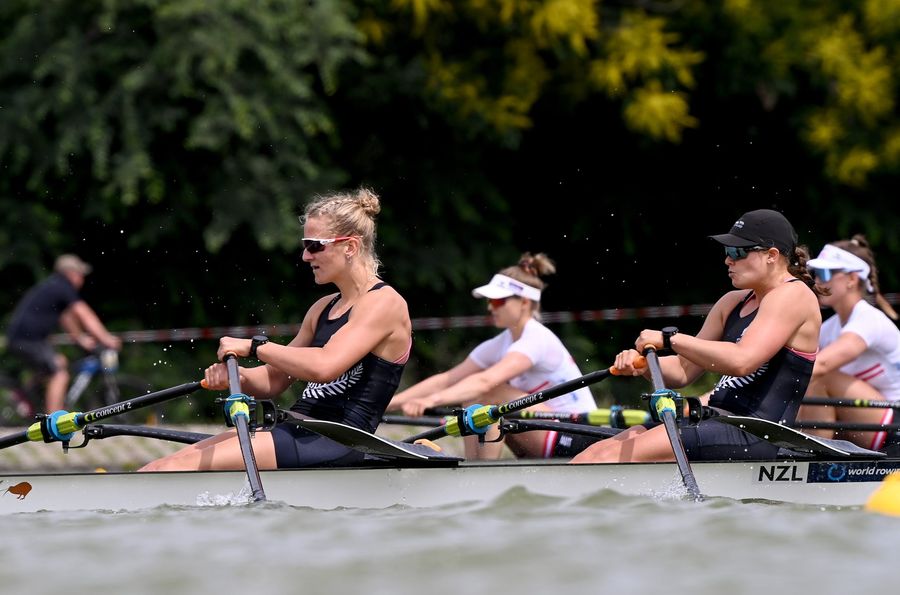
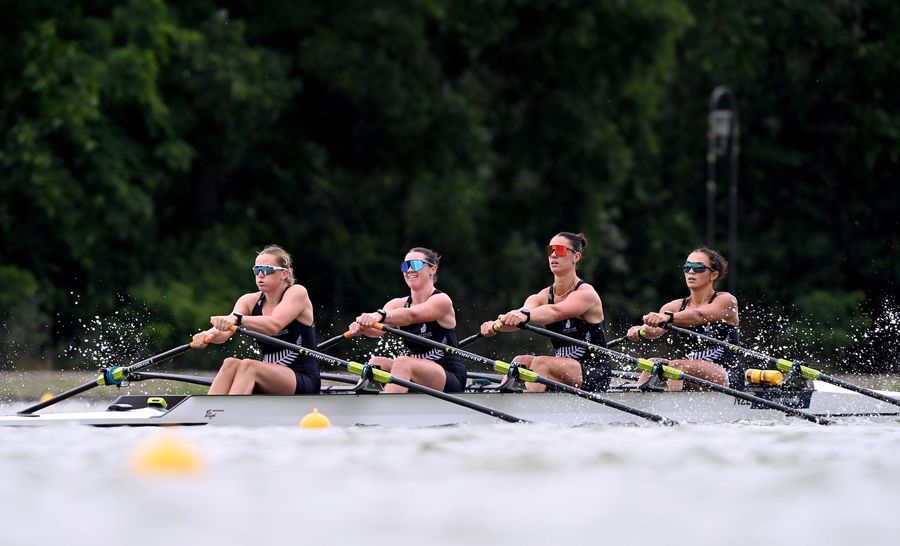
The women's four faced a dramatically reduced field compared to Seville, where eight boats had competed. In Plovdiv, Alana Sherman, Isla Blake, Kate Haines and Ella Cossill were the only crew to return from that earlier race, with Britain, Ireland, the Netherlands, Australia and Poland all absent. New Zealand finished second in their preliminary in 6:26.71, behind the United States who went through in 6:19.80. Blake was measured in her reading of the gap. "Clearly they're a top-tier crew and are putting some good speed out there," she said. "It's great to be putting ourselves up against a quick crew like that, we can only learn."
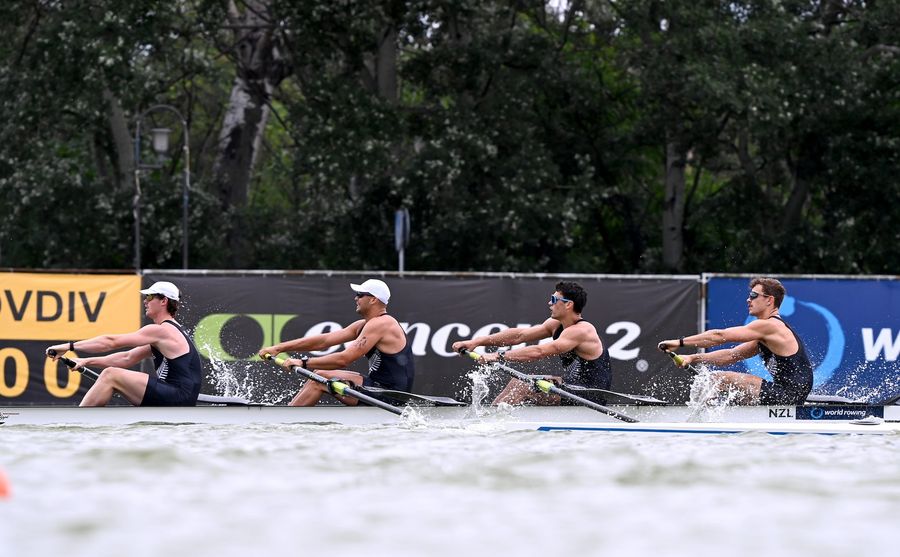
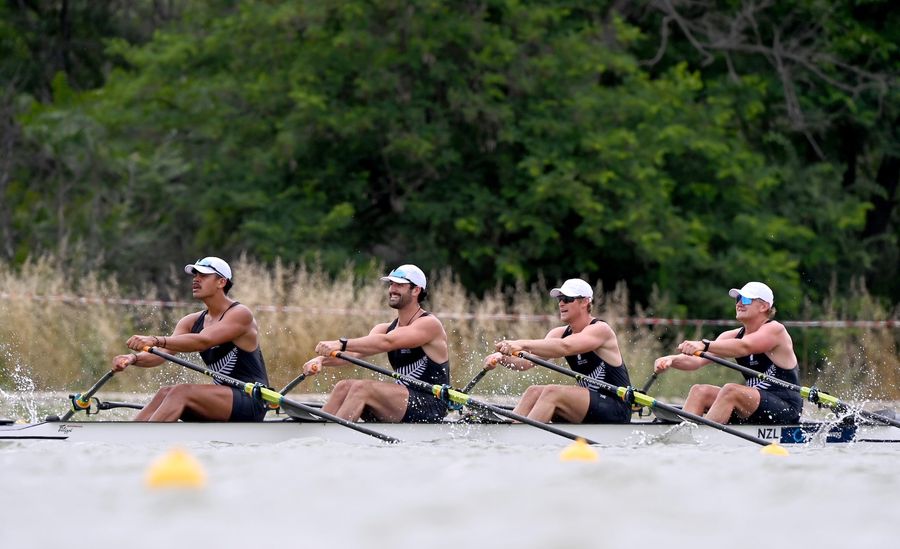
The men's four of Fred Vavasour, Campbell Crouch, Harry Fitzpatrick and Josh Vodanovich met a similarly sparse field, finishing third in their heat in 5:51.22 behind China in 5:48.41 and Ukraine in 5:51.09, yet still progressed to Sunday's A Final. Thin fields on day one. Proper racing to come.