
Few fisheries debates cut through to New Zealand's recreational boating community quite as sharply as the sense that the rules are being written differently for different people. A clause tucked inside legislation currently before parliament did precisely that, and the backlash it triggered has now produced a concrete change of direction.
Winston Peters confirmed through a public Facebook statement that New Zealand First has moved to review the relevant section of the fisheries legislation. The clause at the centre of the controversy concerned minimum size limits for snapper and, more specifically, whether commercial operators would be held to the same standard as recreational fishers.

The distinction the proposal drew was a significant one. Recreational fishers would have continued to face strict per-fish size limits on every snapper they brought aboard. Commercial operators, however, stood to work against an overall catch weight rather than meeting the same fish-by-fish requirement. To much of the recreational sector, that amounted to a two-tiered system with a clear and uncomfortable imbalance built into it.
New Zealand First's full statement on the matter read:
"New Zealand First has received a lot of feedback from recreational fishers about the current legislation going through parliament – in particular about the proposed catch size limit changes for commercial companies and how that would affect a large number of ordinary kiwis.
I spoke with the Minister in charge Shane Jones on this matter. We decided to review this part of the legislation and use the select committee to remove this clause.
We believe in democracy, and the most important part of democracy is listening to the people.
We are doing that."
The volume and consistency of that feedback was striking. Across fishing forums and social media channels alike, the response followed a clear thread: if recreational fishers are required to return undersized fish without exception, equivalent obligations ought to apply across every sector operating on the same resource. That argument drew on something deeper than regulatory detail, speaking to a broadly held conviction that snapper, as a public resource, demands shared responsibility from everyone who profits from or enjoys it.
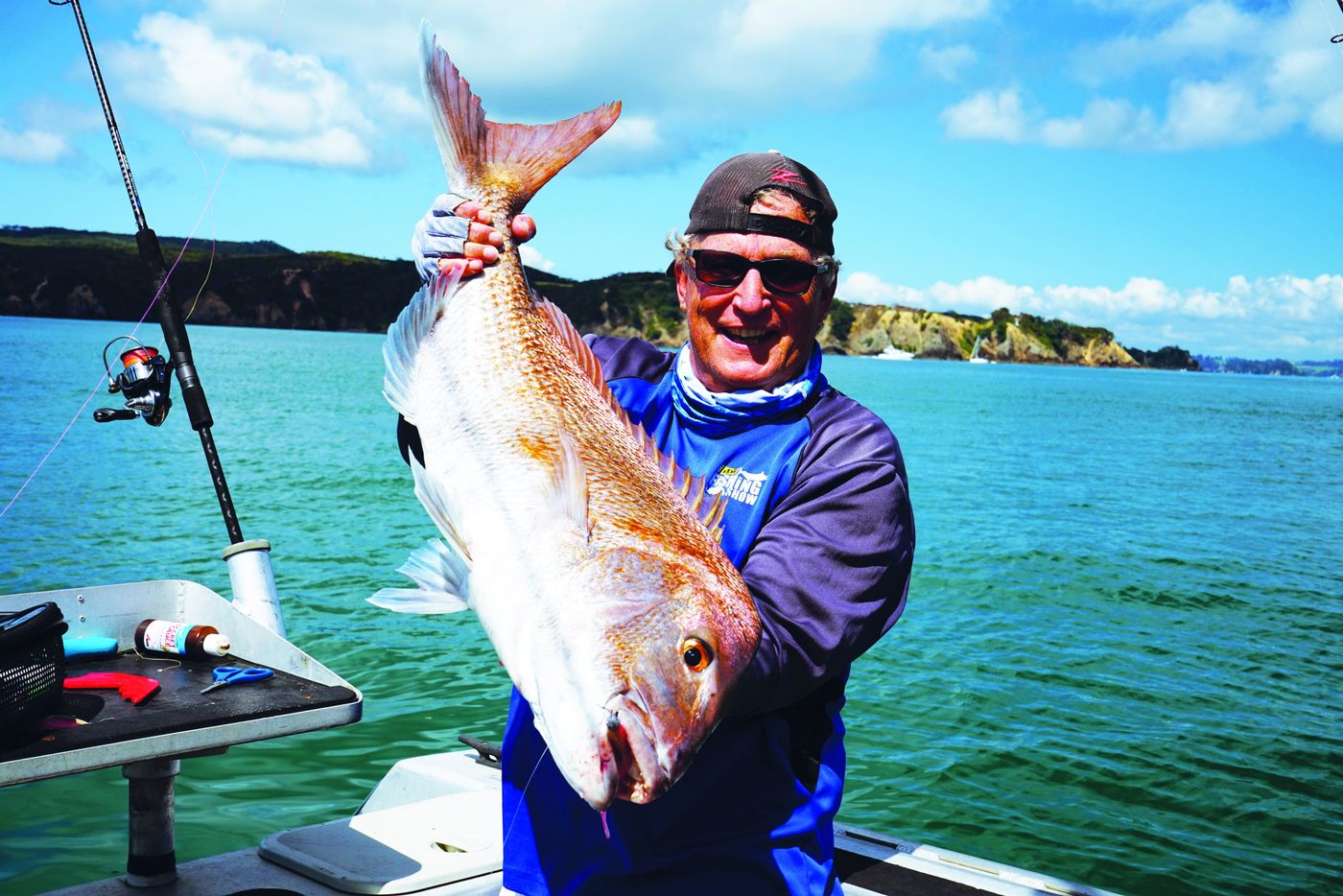
Snapper occupies a particular place in New Zealand's fishing culture. It brings out trailer boat owners on summer weekends, shore-based anglers working the rocks on an evening tide, and families chasing a feed close to home. It carries cultural weight as well as real economic significance for coastal communities throughout the country. Any suggestion that commercial interests had been written a more generous set of rules was always going to draw a strong and organised response from that community.
That response built momentum swiftly, finding its way through fishing networks and into the political conversations that mattered.

Attention now shifts to what happens next in the legislative process. Shane Jones, who holds the Oceans and Fisheries portfolio, was directly involved in the decision to act, and the select committee will now determine whether the clause is simply removed, substantially reworked, or replaced with an approach that better satisfies all parties.
For those who raised their voices against the original proposal, the episode is a useful demonstration of what organised, consistent public pressure can achieve when it reaches the right people at the right time.
For the average Kiwi planning a weekend snapper trip, nothing changes on the water for now. The existing rules remain in force. The episode does make plain, though, that fisheries policy is never truly settled. It is shaped continuously by industry submissions, consultation processes, and, increasingly, by recreational fishers who understand that their interests are worth defending loudly.
The message was clear, it was united, and it was heard.