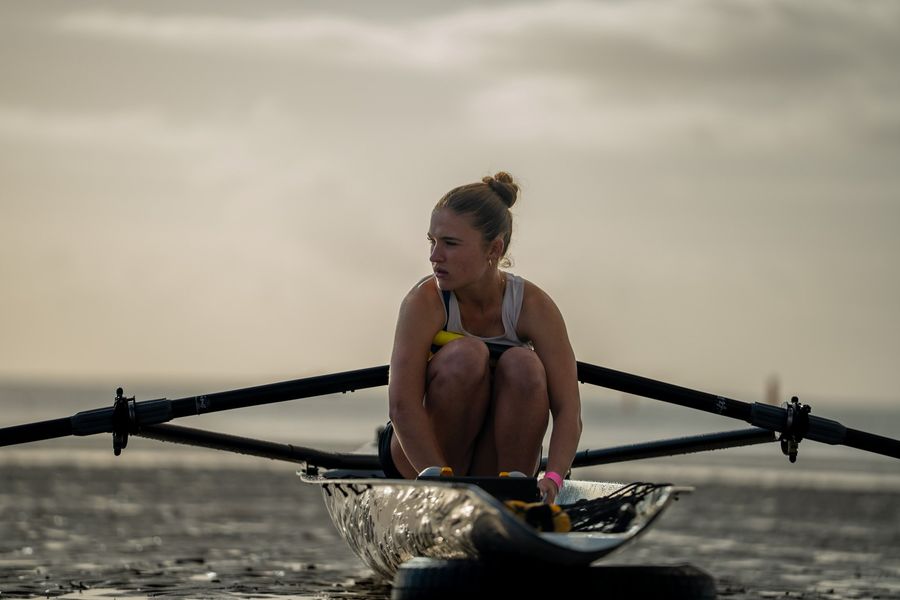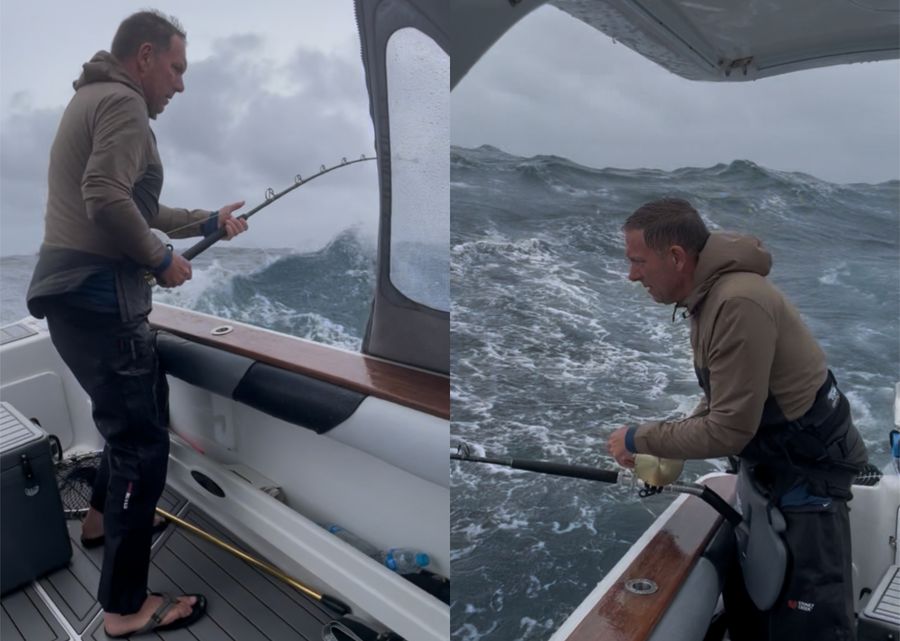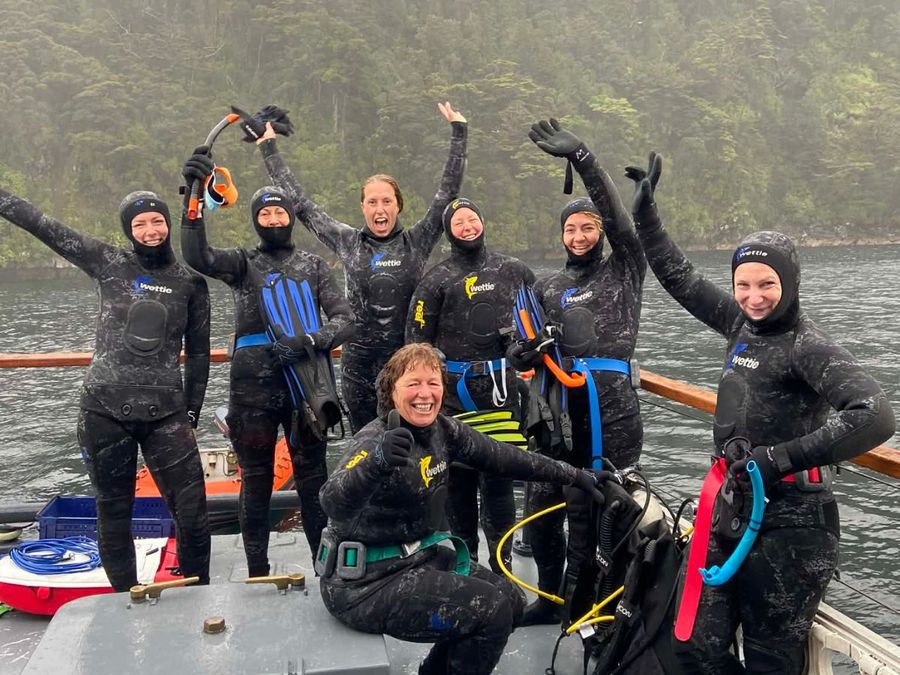
Boating New Zealand contributor Kirsten Thomas spoke with Wild Chix founder Isabell Zitzelsberger about the group's expedition into Fiordland and what the experience ultimately became.
Nearly three years ago, Wild Chix came into being with a straightforward purpose: helping women develop real, practical confidence, on the water, in the bush, and in themselves. The organisation started with hands-on boating, fishing, and safety courses, but over time it has grown into something broader. The idea at its heart is to ease pressure, build genuine capability, and make learning feel safe rather than daunting.
For Isabell Zitzelsberger, the woman who founded it, Fiordland had been hovering at the edges of the Wild Chix vision for a long time. Not as a trophy destination, but as somewhere the organisation's philosophy might find full expression.
"I always thought Fiordland would be years away," she says. "It felt too big, too expensive, too remote. But the more I sat with it, the more it started to make sense."
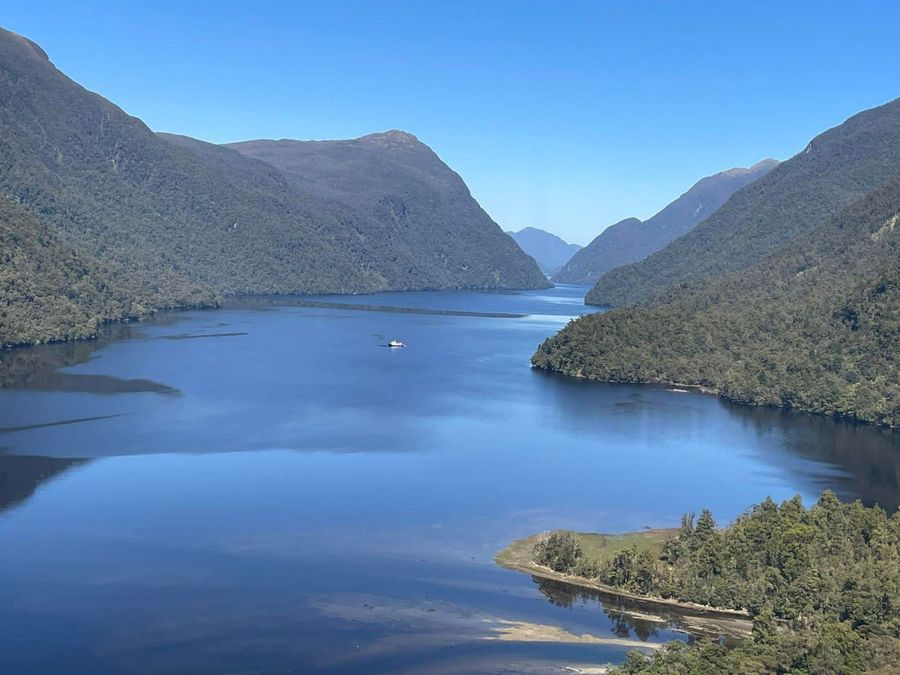
The path to making it real opened unexpectedly at the Sika Show, where Isabell met Maria Kuster and Seán Ellis from Pure Salt Charters. The conversation flowed easily, and it quickly became clear that both parties were working from a similar set of values around access, conservation, and purposeful adventure.
Pure Salt is a Fiordland-based charter operation structured as a social enterprise, and it has built a strong reputation for weaving conservation into its everyday work. Its contribution to predator control, marine stewardship, and restoration across Dusky Sound and the surrounding islands earned the operation a semi-finalist placing for the 2026 Sustainability Leader of the Year award.
From that first conversation at the show, a women-only Wild Chix expedition in Fiordland steadily took shape. Both organisations contributed equally to building it, and the result was something anchored in shared values rather than curated spectacle.
The expedition was based aboard M.V. Flightless, the 27-metre vessel Pure Salt operates for small groups heading into remote southern waters. Flightless functioned as a genuine floating base rather than simply a means of getting from place to place. Kayaks, paddleboards, and two four-metre RIB tenders gave the group freedom to explore the coastline at will. Fishing rods were always within reach. Bean bags materialised on deck whenever the weather was kind. Handheld VHF and GPS units allowed people to range with confidence, and a hydrophone provided a way to listen in whenever dolphins or whales passed through.
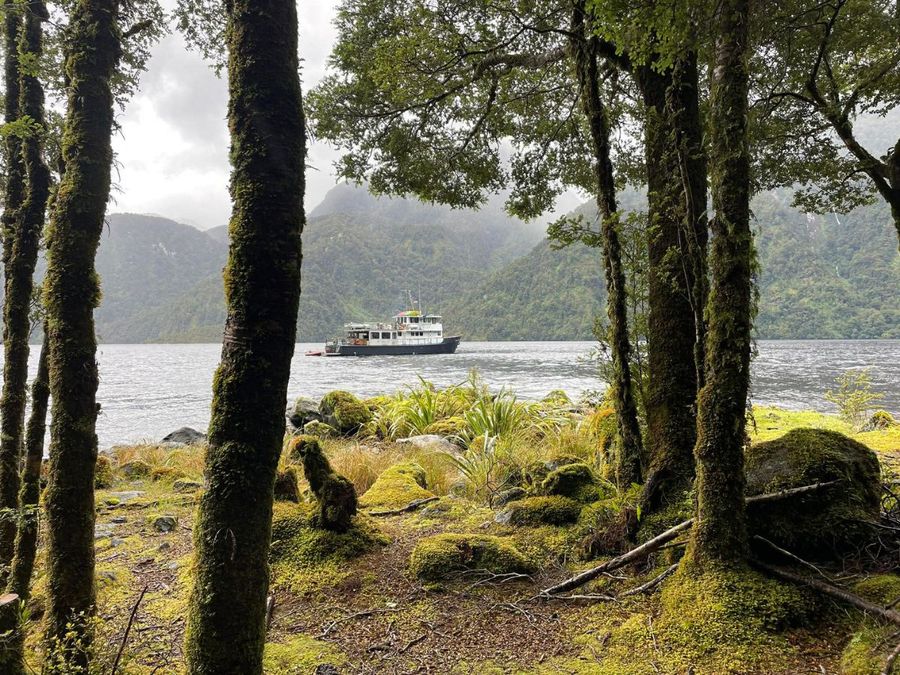
What Flightless offered beyond its operational capability was equally important. An extensive onboard library, yoga mats, and a well-used games cupboard gave the group easy ways to settle between activities. There was no internet access and no mobile signal, by design. Without screens to disappear into, attention turned toward the people in the room and the place outside. Comfort mattered throughout. The hot tub became a quietly cherished ritual that people came to rely on after long days on the water. Safety was embedded without being intrusive, and flexibility shaped how every day unfolded. For Isabell, Flightless gave the expedition exactly the platform it needed, supporting both exploration and genuine connection without locking the group into a rigid programme.
A conversation with Isabell Zitzelsberger
Kirsten Thomas spoke with Isabell Zitzelsberger, founder of Wild Chix, about what life aboard Flightless actually looked like and why the trip confounded some of her own expectations.
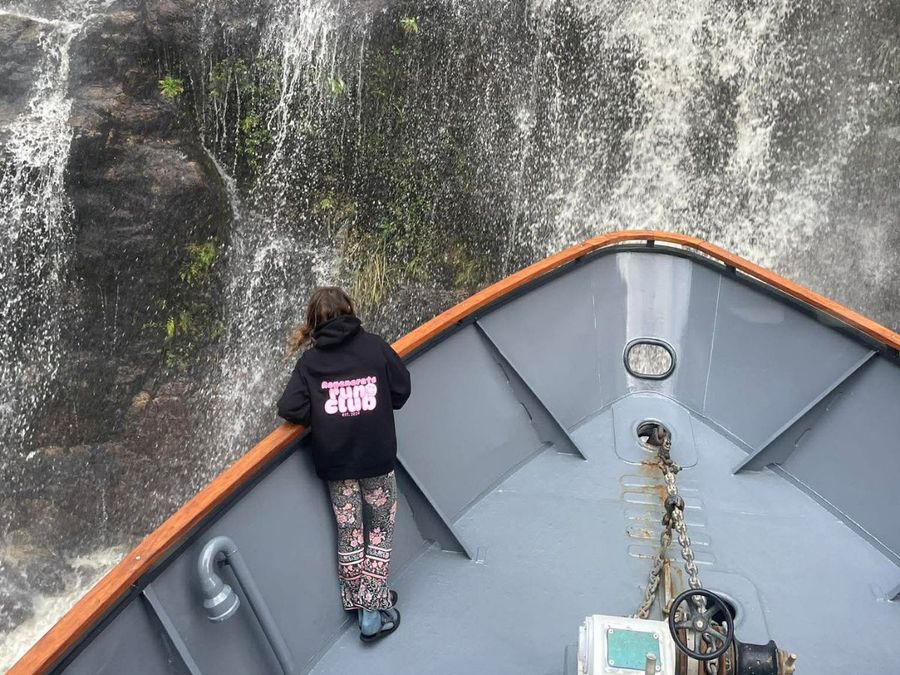
The expedition was never designed to test performance or stack achievements. The intention was simpler: give a small group of women the time and environment to experience Fiordland at their own pace, supported by a capable vessel and a crew whose values aligned closely with those of Wild Chix.
"It wasn't about doing more," Isabell says. "It was about letting the place lead, and seeing what people took from that."
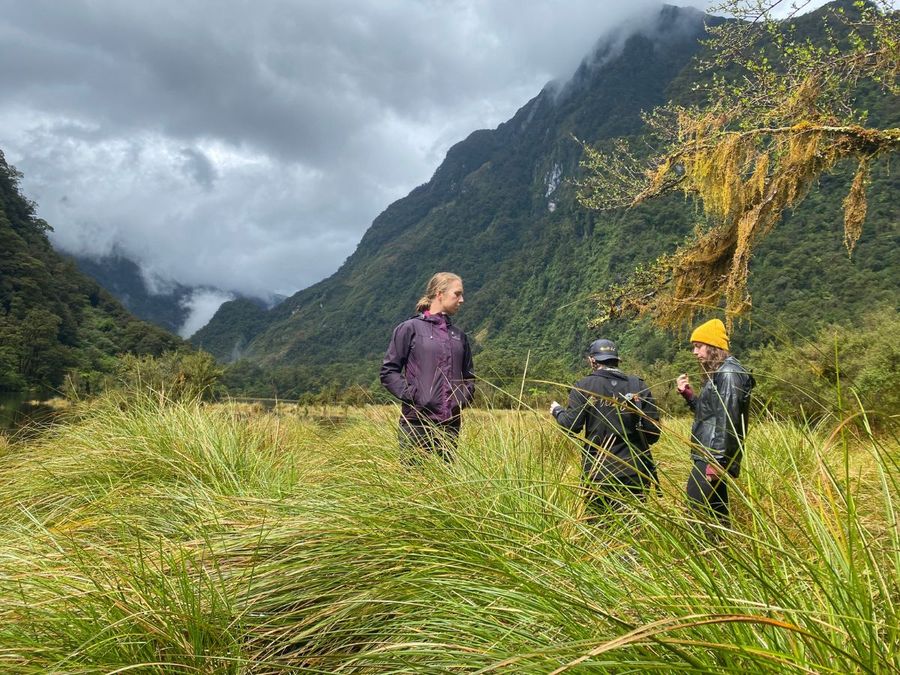
Why choose a vessel like Flightless as a base rather than staying on land?
"Because Fiordland doesn't really work if you try to experience it from the outside," Isabell says. "You need to be in it. Being based on the boat meant we weren't commuting or managing logistics. The boat became home.
"It enabled everything quietly. Warmth, safety, food, space to reset. That matters when you're asking people to try things they might never have done before."
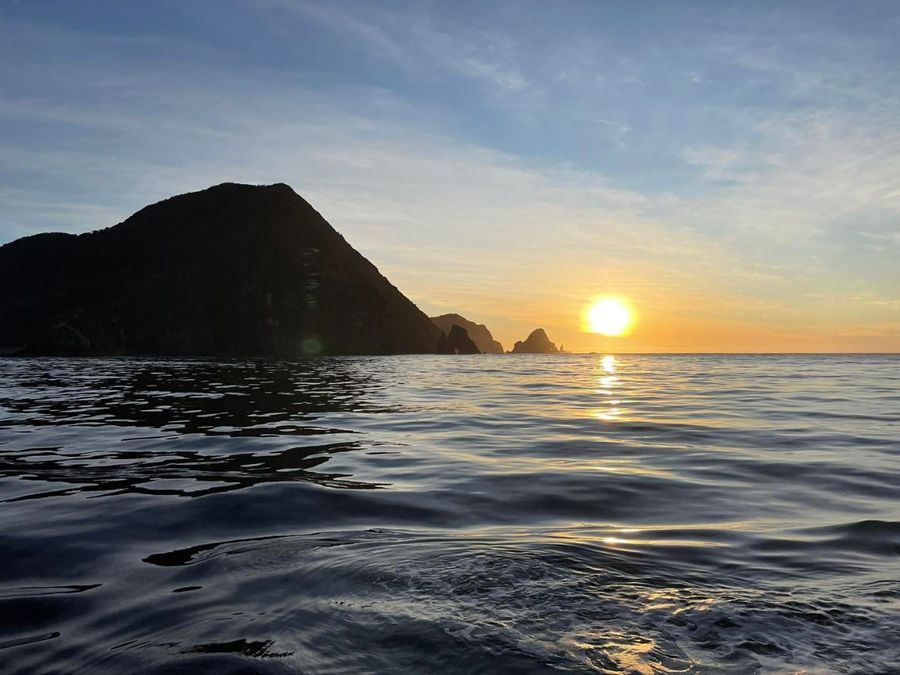
What shifted for the women once they had settled aboard?
"The biggest thing was time," she says. "There's no internet. No phones. You wake up and you're not rushing anywhere. That alone changes people."
Days were full but deliberately unstructured.
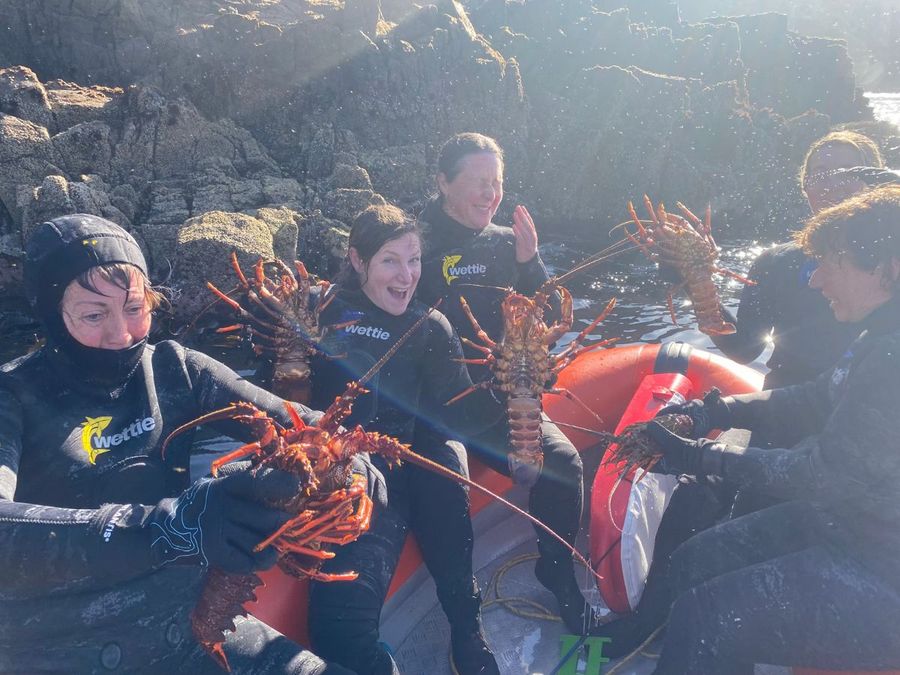
"We did a lot, but without a schedule. Swimming, snorkelling, kayaking, fishing, or just sitting and watching waterfalls. No one felt like they were missing out, because there was no plan to miss."
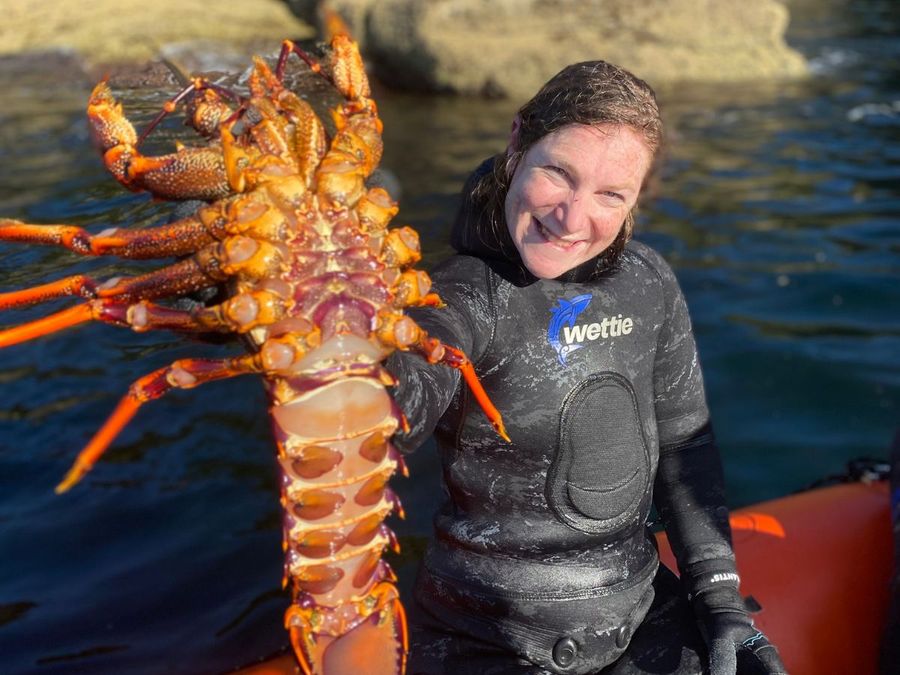
How much did physical comfort factor into making the adventure genuinely accessible?
"Huge," she says. "Cold water, wet weather, remote places. Knowing you can come back, dry off, eat well, and warm up makes people far more willing to step outside their comfort zone."
She saw that most clearly among those trying things for the first time.
"Some women had never snorkelled or free dived. One wasn't even sure she could float in a wetsuit. But when you know you can warm up straight after, fear doesn't have the same grip."
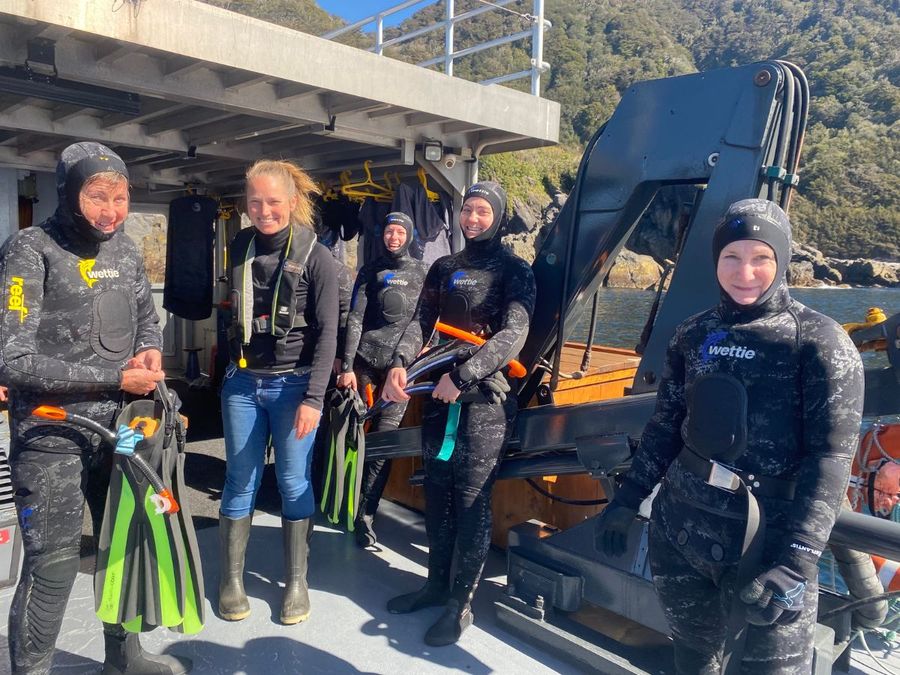
Was the purpose of the trip fundamentally about skill development?
"I went down there thinking I'd teach a lot," Isabell admits. "Fishing techniques, diving, maybe even hunting concepts. But Fiordland pulls that back."
Skills were picked up along the way, but she says the more significant learning happened on a different level.
"They learned how to slow down. How to listen to themselves. That surprised me."
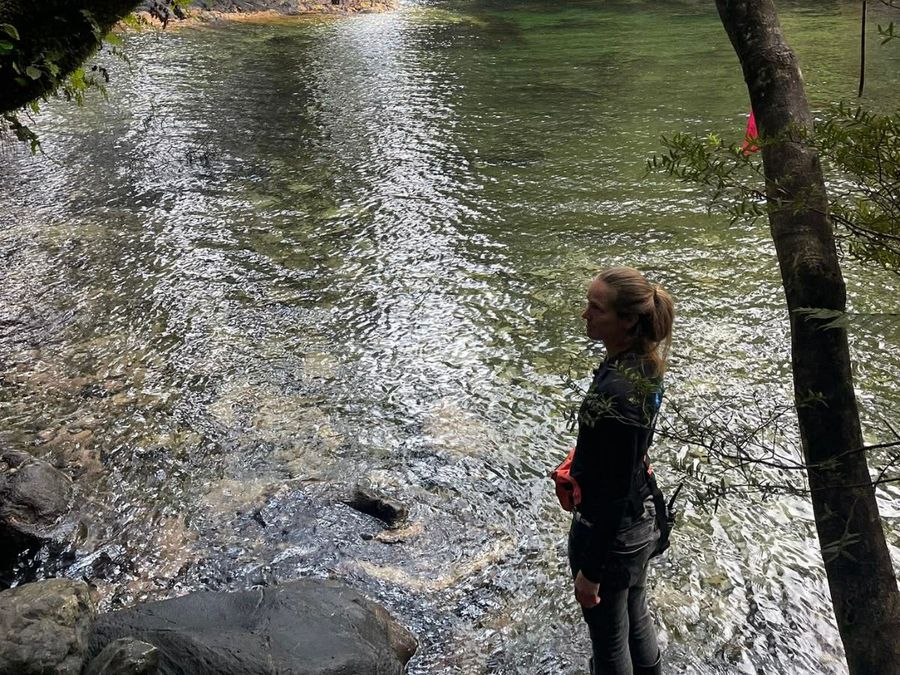
How did the shared life aboard Flightless shape the group dynamic?
"The spaces bring people together," she says. "You don't disappear into separate worlds. After dinner, people just sit and talk."
Those conversations had a habit of going somewhere meaningful.
"You're surrounded by women you didn't know a few days earlier, and suddenly you're having very honest conversations about life, stress, confidence. That doesn't happen by accident."
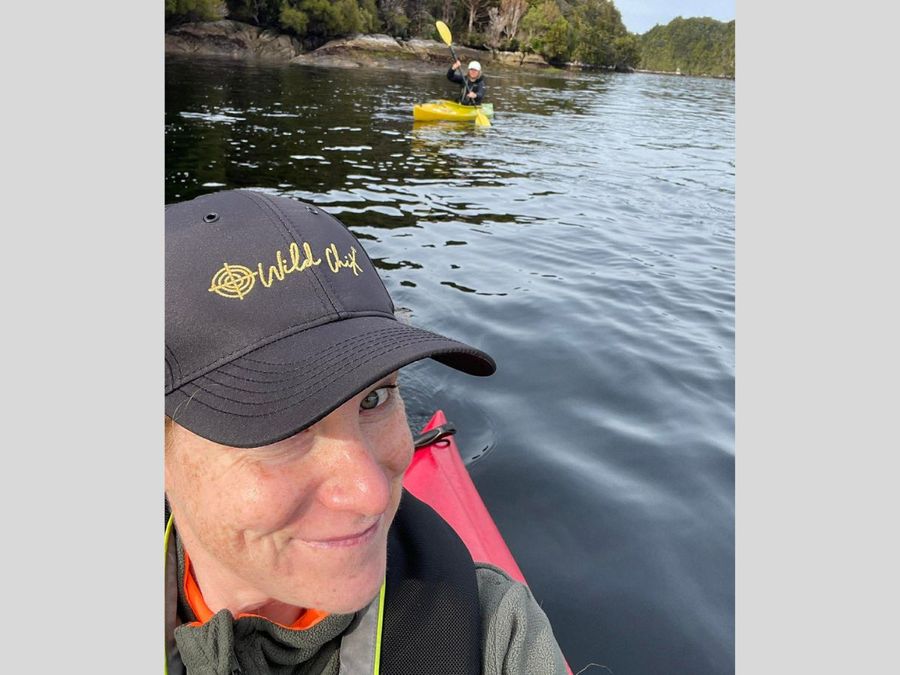
What stayed with her from the final moments of the trip?
"When we wrapped up, we went around the group and shared what everyone got out of it," she says. "Several women cried. Not because they were sad, but because it moved them."
One remark in particular has lingered.
"One woman said, 'I came for the place, but I'm leaving with the people.' That sums it up."
Did Fiordland itself change how the trip unfolded?
"Completely," Isabell says. "You arrive thinking adventure means catching things or ticking boxes. But Fiordland leads you differently if you let it."
She found herself navigating that shift personally.
"I'm high energy. I always want to do the next thing. I had to learn to stop pushing and just let the place do its thing."
Is another expedition like this one on the cards?
"Yes," she says, without hesitation. "But now I understand it better."
The details of future trips may change, but the essentials will remain.
"A safe, warm floating base. Time. Space. And letting Fiordland work on people in its own way."