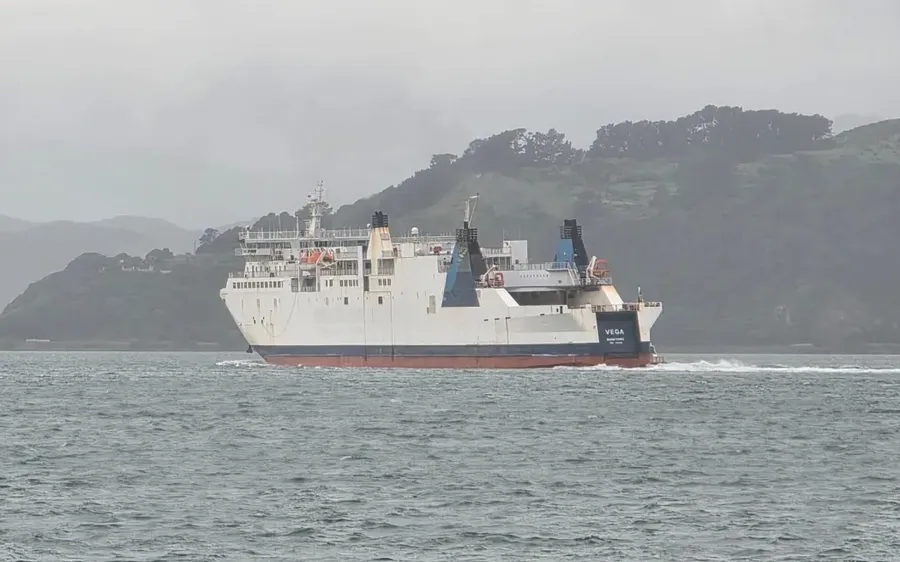
The former Interislander ferry Aratere, now renamed Vega, remains in New Zealand waters while regulatory processes play out on two sides of the world.
The vessel was withdrawn from Cook Strait service to make way for two new rail-enabled ferries due to arrive in 2029. In October, Interislander executive general manager Duncan Roy said the ship was not suitable for most ferry operators given its age, and that any new operator would face significant modification costs or require specialist port infrastructure.
"Therefore, we have pursued a safe, efficient and environmentally responsible recycling option."
Since then, Vega has been moving between harbours. At the time of reporting, it was in Nelson Harbour. All Interislander branding has been removed, including the ferns that once appeared on its exhausts, which have been painted over.
The reason the vessel has not yet left New Zealand traces back to the Basel Convention, an international treaty that controls the movement of hazardous waste. New Zealand's Environmental Protection Authority is responsible for ensuring the country meets its obligations under the convention.
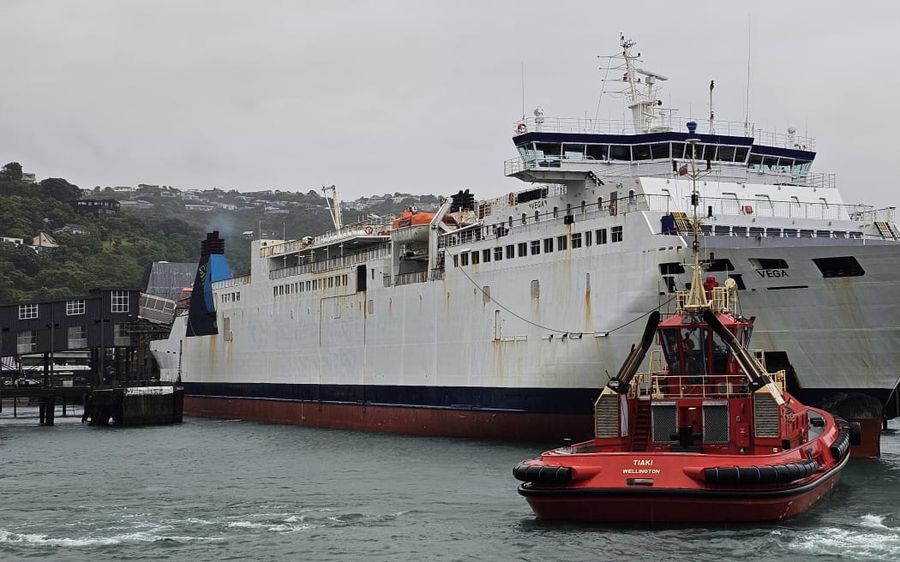
Ship dismantling falls within the convention's scope, and the practice does carry sustainability benefits through the recycling of materials. It has a troubled history, though, with developing countries historically bearing the burden of health and environmental risks from hazardous materials such as asbestos and oils.
For Vega, the former Aratere, to be exported for scrapping, its new owners were required to complete an application with the EPA. That application is now complete. The outstanding issue is that India's equivalent regulatory authority has not yet given permission for the ship to enter the country.
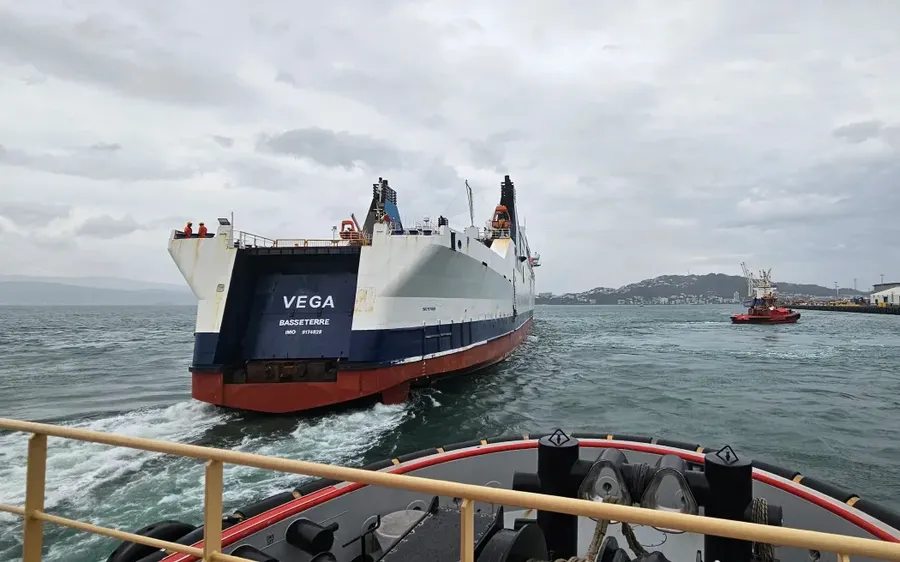
"We cannot finalise the export application until the Competent Authority in India has granted consent for import," the EPA said.