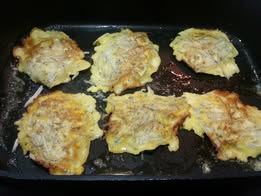
There are cooks who treat whitebait like a blank canvas, piling on onion, parsley, and flour until the fish becomes an afterthought. Harry Wilson is not one of those cooks. A lifelong boatie and long-time reader, Harry got in touch after our recent piece on whitebaiting, and what he sent through was refreshingly stripped back. Three ingredients, one pan, and a rule he will not budge on. "Three minutes each side, never overcook seafood."
That rule carries the whole recipe. Everything else follows from it.
*Why the simple approach wins*
Whitebait has a flavour that is genuinely delicate and sweet. Overwhelm it with additions and you have wasted something special. Harry's method uses eggs to bind the mix without turning the result into a rubbery omelette, and a touch of lemon zest to lift the aroma just enough. Salt and pepper close it out. Whether you are cooking in a boat galley or at home on a full-sized stove, the best whitebait fritters come from restraint rather than ambition.
*Getting the whitebait right before you start*
The condition of your whitebait matters as much as anything that happens in the pan. If you are at anchor, keep it chilled in an icebox and make sure it stays dry. Moisture in the mix will steam the fritters from the inside rather than let them fry properly. Pat the fish dry with a clean tea towel before you do anything else.
When you crack the eggs into your bowl, whisk them lightly until they are just combined. You are after a soft set, not a foam. Fold the whitebait through gently. Working the mixture too hard will break the fish apart and muddy the texture you are trying to achieve.
*Harry Wilson's whitebait fritter recipe*
Ingredients
- 500 g whitebait, rinsed and well drained - 3 eggs - A hint of lemon zest - Salt and pepper, to taste
Method
Crack the eggs into a bowl and whisk lightly until just combined. Fold in the whitebait, lemon zest, a pinch of salt, and a few grinds of pepper. Warm a large non-stick pan over medium heat with a little butter or neutral oil. Spoon small ladles of the mixture into the pan and keep them thin so they set evenly. Cook for 3 minutes on the first side, then turn and cook for 3 minutes on the other. Do not press them down. Lift the fritters out and drain briefly on paper towel. Taste one and adjust the seasoning if needed.
Harry's golden rule bears repeating one more time. "Three minutes each side, never ever overcook seafood."
*How to serve them*
Eat the fritters straight from the pan while they are hot. A squeeze of fresh lemon is genuinely all you need. If you want something alongside, fresh white bread with butter is the classic Kiwi pairing. Sauces are fine in moderation, aioli or chilli mayo both sit comfortably with the flavour, but go easy. The whitebait should be the point, not whatever is drizzled over it. Watercress or a few rocket leaves make a tidy addition to the plate without crowding things.
*Galley notes*
This recipe is well suited to a small gas hob or a portable cooker with a decent pan. Cook in batches rather than packing the pan, because crowding kills the fry. Thin fritters set quickly and flip cleanly. If the heat climbs too high, pull it back. You want a gentle, steady sizzle. The six minutes total gives you a soft centre and tender edges. Push beyond that and the magic disappears.
*A note on sourcing and storage*
Buy from trusted sellers or fish within the legal rules. Handle the catch with care from net to pan. Keep whitebait cold and aim to cook it within a day. If storage is unavoidable, drain the fish well, bag it flat, and freeze it once only. Thaw in the fridge and dry it again before cooking. The quality you put in is the quality you get out.
Harry's parting instruction was direct and worth passing on in full. "Do not add other stuff, just enjoy." Respect the fish, keep the heat steady, and get them on the plate while they are still at their best. That is the Kiwi way to treat white gold and keep mates well fed.