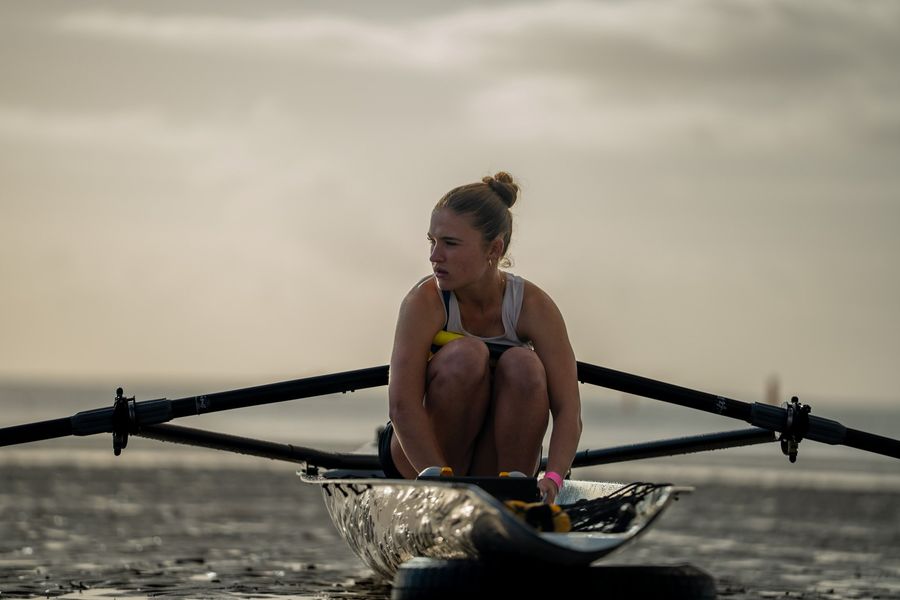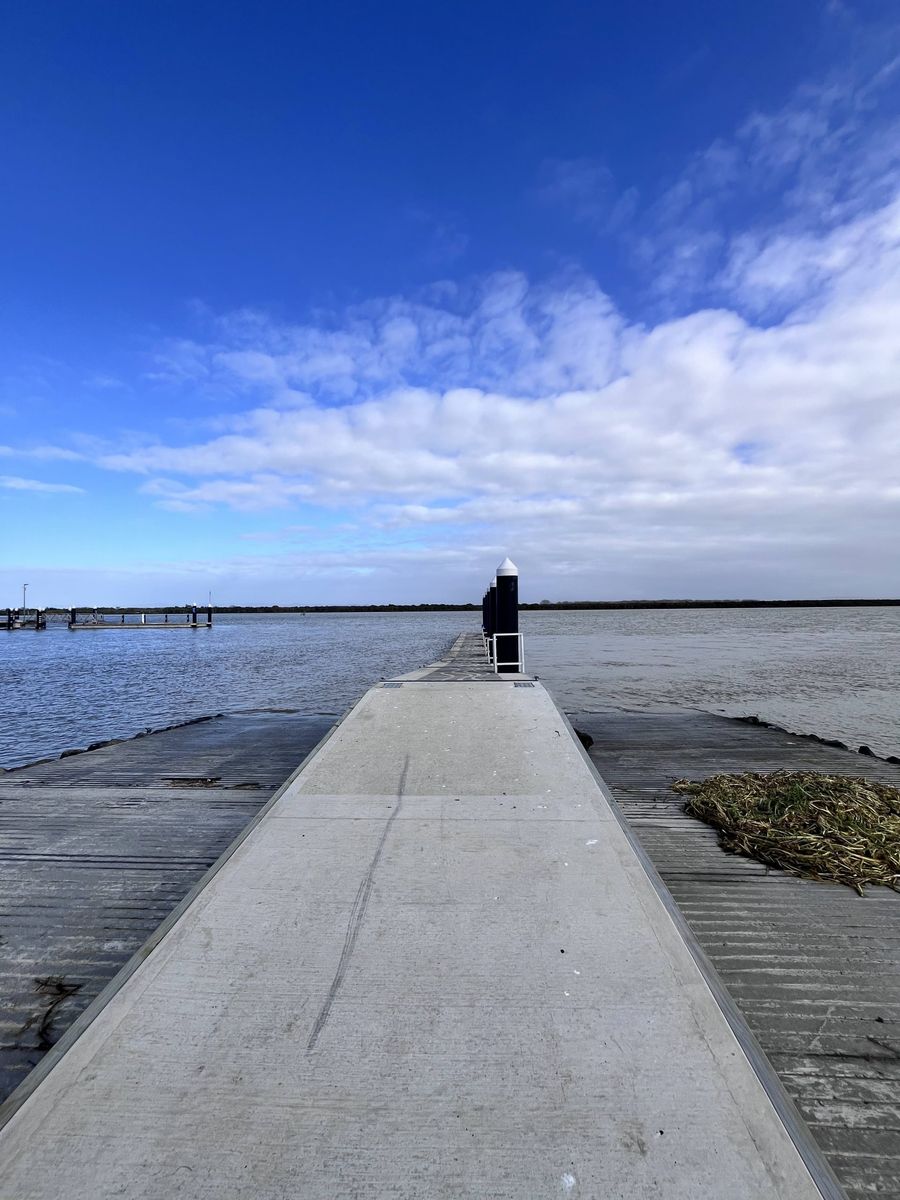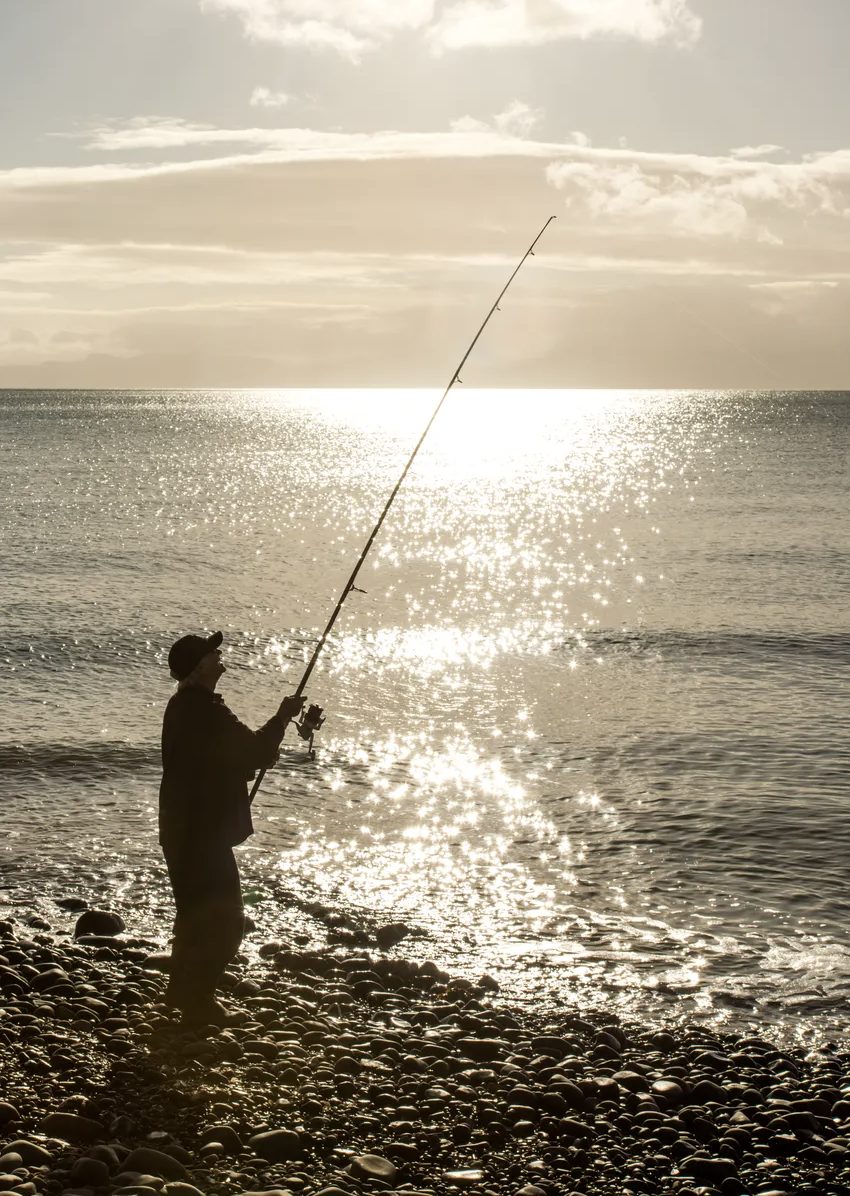
The eastern flank of Hauraki Coromandel is far more than a stretch of pretty shoreline. It is the setting for summer rituals carried down through generations, for community identity woven around tides and boat ramps, and for the particular kind of storytelling that only comes from people who have grown up within earshot of the sea. Swimmers, surfers, fishers, paddlers and boaties have worked these waters for decades, and ask anyone raised here and they will tell you the same thing: the ocean gets into your bones and stays there.
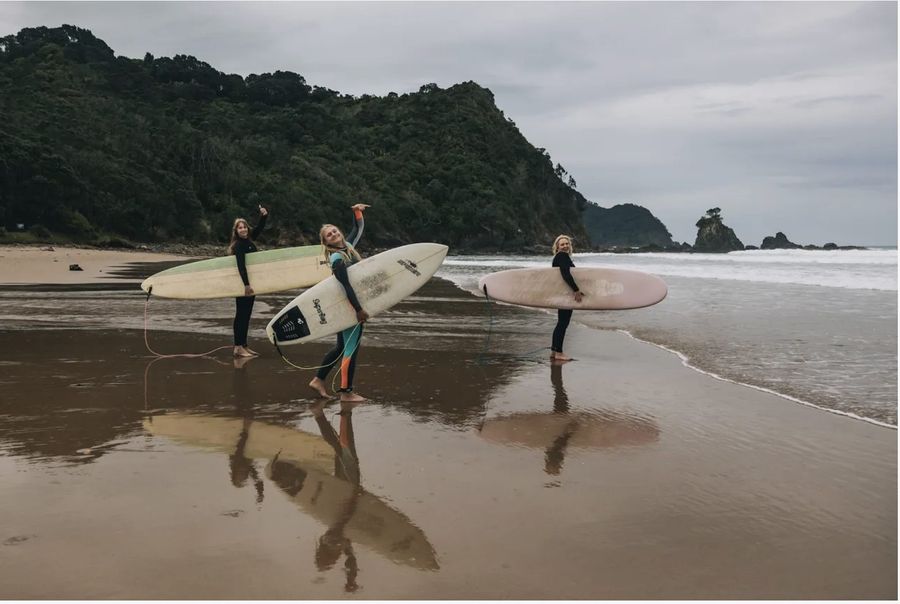
The eastern seaboard begins at Whiritoa, a quiet coastal gem where golden sands meet the first surfable waves on this side of Hauraki Coromandel. From Whiritoa the coast flows northward to Whangamatā, a town steeped in boating and surf culture. The harbour is where generations of local kids have bombed off the wharf, dangled lines into the shallows and learned to swim, while the main beach has long served as a proving ground for surfers and lifeguard trainees alike.
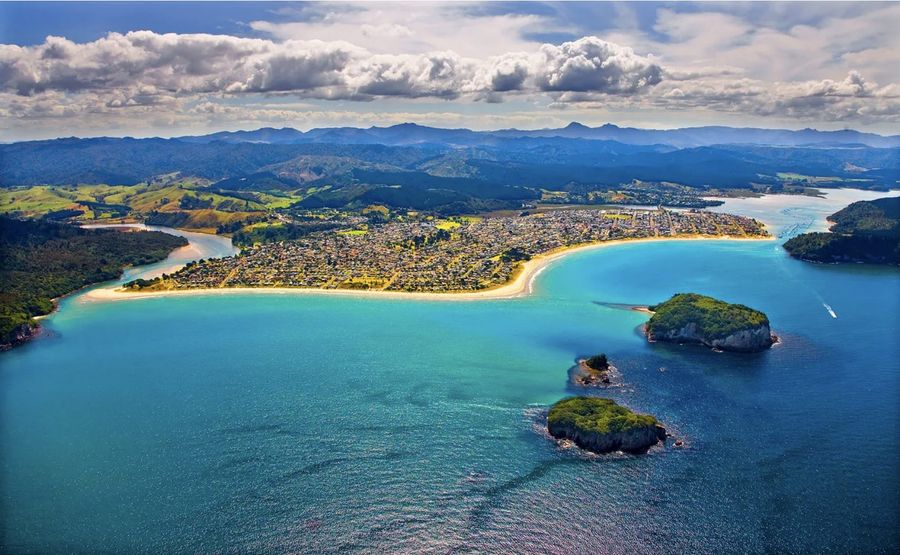
On a calm summer morning, paddleboarders cross glassy water and kayakers push out toward the offshore islands. One of the great drawcards of this stretch is Whenuakura, known widely as Donut Island, a collapsed volcanic blowhole that can only be reached by water and is protected under a community-led code of care. Its emerald interior and echoing crater carry an almost mythical quality, and those who live nearby take their role as stewards seriously. Local guides offer the best way to experience it.
Moving north, the coast opens into the long white-sand arcs of Onemana and Opoutere, beaches that look like postcards but function as everyday landscape for those who call this region home. These are well-loved spots for anchoring up in calm weather, swimming off the stern, or stretching a beach picnic out into the golden late-afternoon hours.
Further up the coast, Tairua and Pāuanui face each other across a shared harbour, twin towns linked by a river system that has become a training ground for young boaties. The harbour ranks among the safest places on the east coast to learn jet skiing, kayaking, or the art of towing a biscuit behind the family boat.
Beyond the bar, crossed only with caution and genuine local knowledge, the horizon opens to Slipper Island, Shoe Island and the Aldermen Islands. These are favoured destinations for fishing expeditions, diving trips and summer adventures of every kind. The Aldermens sit off the coast like ancient guardians, offering dramatic cliffs, breathtaking underwater visibility and marine habitats that experienced divers return to again and again, and talk about long afterwards.
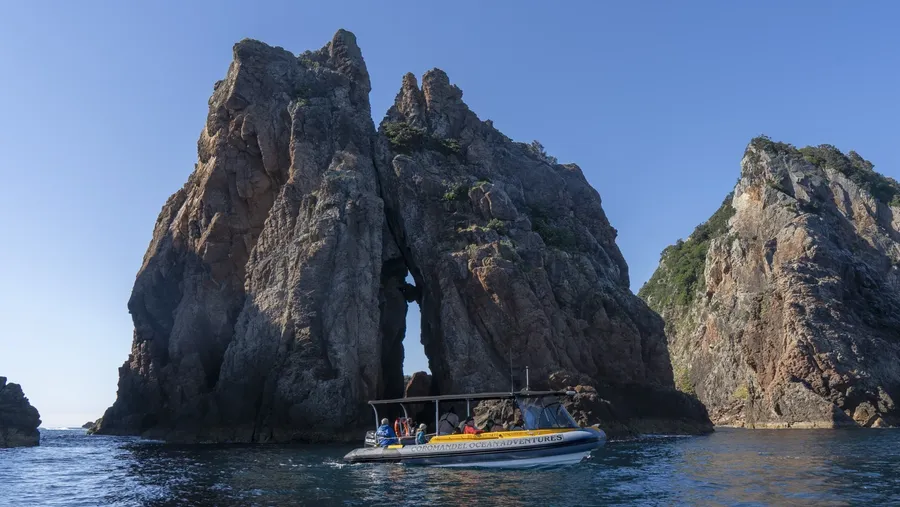
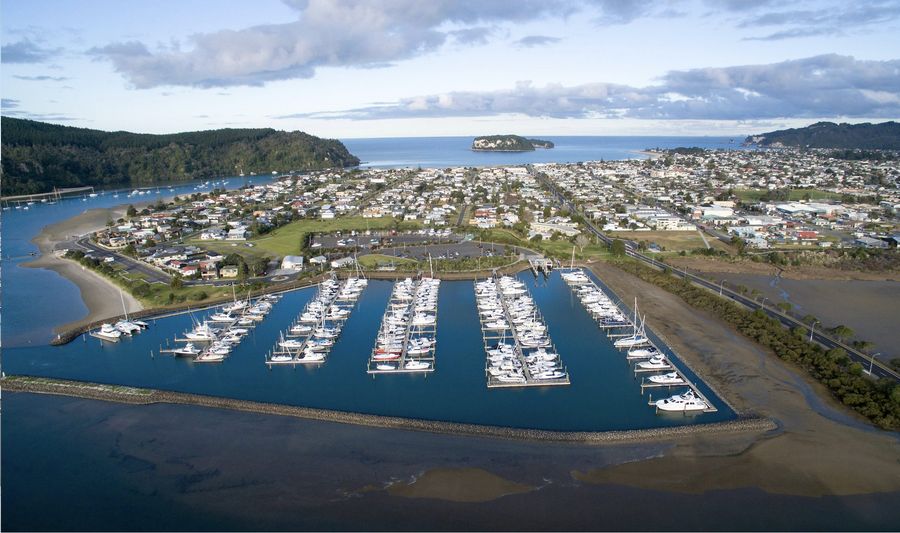
The boating heartbeat of the eastern coast beats furthest north, around Mercury Bay and Whitianga. The sheltered, accessible marina at Whitianga draws trailer-boaters, yachties, charter operators and offshore adventurers in equal measure. From there it is an easy cruise to Cooks Beach, Hahei, or the dramatic volcanic formations of Mautohe Cathedral Cove, one of the most beautiful sights on this coast when approached from the water. Mercury Bay functions as a backyard for those who know it well: straightforward to navigate, rich in sea life, and scattered with anchorages that suit any kind of day out on the water. For people who grew up here, these are not simply recreational spaces. They are keepers of memory.
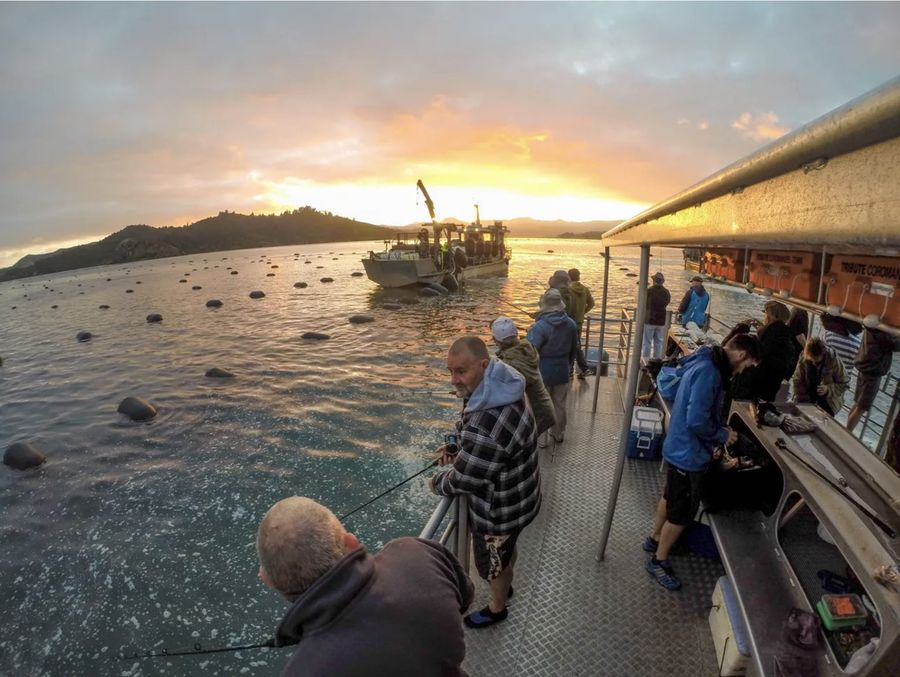
The rhythm of the summer holiday season is marked by fishing competitions, early-morning dinghy launches and long swims across sheltered bays. Neighbours gather for beach barbecues, children race one another through estuary channels, and families return each year to the same rented bach, the same boat ramp and the same familiar rhythm of tide and time.
The ocean is the thread that stitches these communities together in a way that feels distinctly Coromandel. Locals are the first to acknowledge that enjoying this coastline carries responsibility with it. The shifting bars at Whangamatā and Tairua demand respect and preparation before any crossing. Marine reserves and protected islands require genuine compliance, not simply good intentions. Dune systems that look solid are in fact fragile, and summer pressure on them is relentless.
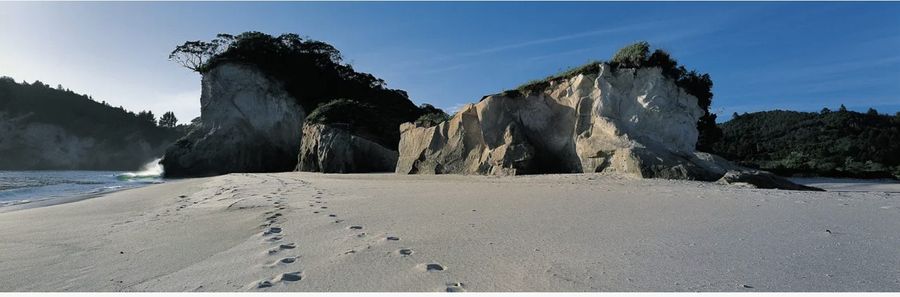
Even so, stewardship here has genuine roots. Volunteer dune-planting groups, pest-free island projects and rāhui protecting vulnerable areas all speak to communities that love their places enough to fight for them. It is all part of the GOOD FOR YOUR SOUL Kaitiaki spirit that shapes life in Hauraki Coromandel. Travelling slowly near marine wildlife, anchoring with care, keeping to marked tracks, and leaving every beach or stretch of water in better condition than you found it are small actions, but multiplied across thousands of visitors and locals they add up to something significant, helping to ensure the area remains a place where the ocean thrives and where people feel genuinely connected to it.
Spend a day here, or a lifetime, on this side of Hauraki Coromandel, and the reason locals speak of the ocean as though it were family becomes clear enough. It shapes the seasons. It shapes the community. And for anyone who has ever launched into these waters, it shapes memories that outlast the last traces of sand rinsed from the floor of the boat.