The big mid-October snow dump is still making its presence felt. The melt has been working its way down the valleys with considerable force, and a check of this evening's Ecan River Flow Data map confirms conditions are running well above normal. The Ahuriri River is still easing back from flood levels, sitting somewhere between 80 and 90 cumecs, while the Tekapo River remains near 30 cumecs. Local fishing reports put the Ahuriri's fishable sweet spot at below roughly 20 to 25 cumecs. The arithmetic is not encouraging for anyone hoping to wade in this weekend.
Spectacular to look at, in other words, but a genuine challenge for anyone planning to learn on the fly.
That won't stop some from hitching up the trailer and heading inland anyway. The pull of wide shingle channels and blue glacial water is a powerful thing, and it is hard to argue with. What the current conditions do offer, though, is a useful test of judgement. Experience earns a certain confidence on these rivers, but wisdom and restraint are just as much a part of the skill set. Even jet-boaters who know these rivers intimately give fast, coloured flows the respect they deserve.
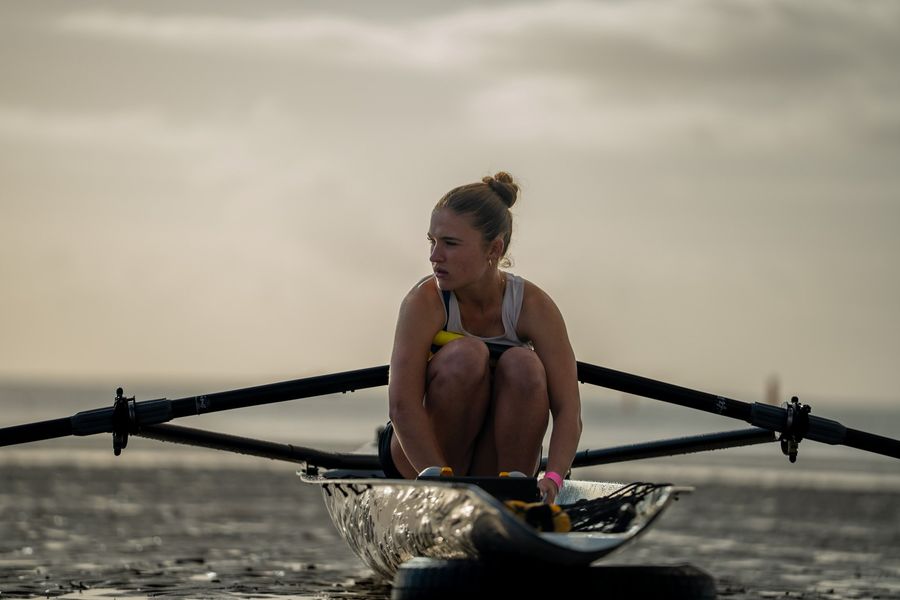
For everyone else, the lakes are the obvious answer this weekend. The high-country options are opening up nicely: Pearson, Grasmere, and Sarah all become available for fishing this weekend. Pearson is a year-round fishery, sitting right alongside State Highway 73 and easy to access. Grasmere and Sarah open from the first Saturday of November through to the end of April. A little further from the car park, Hawdon and Marymere now both require a short walk-in. And for those prepared to put in real effort, Letetia, tucked away deep behind Mt White Station, rewards the commitment. It cannot be reached by vehicle, but a kayak works, and a packraft works even better. Each of these lakes carries its own method limits and bag rules, so the North Canterbury Fish & Game listings on nzfishing.com remain the definitive reference before you head out.
What these alpine lakes share, beyond their regulations, is the same essential character: snow peaks, tussock flats, and the kind of stillness that a flooded river simply cannot offer. They are also practical preparation for the season ahead. After a week of runoff and turbulence, heavier patterns and brighter lures are still likely to be the right call, whether you are fishing fly or spin.
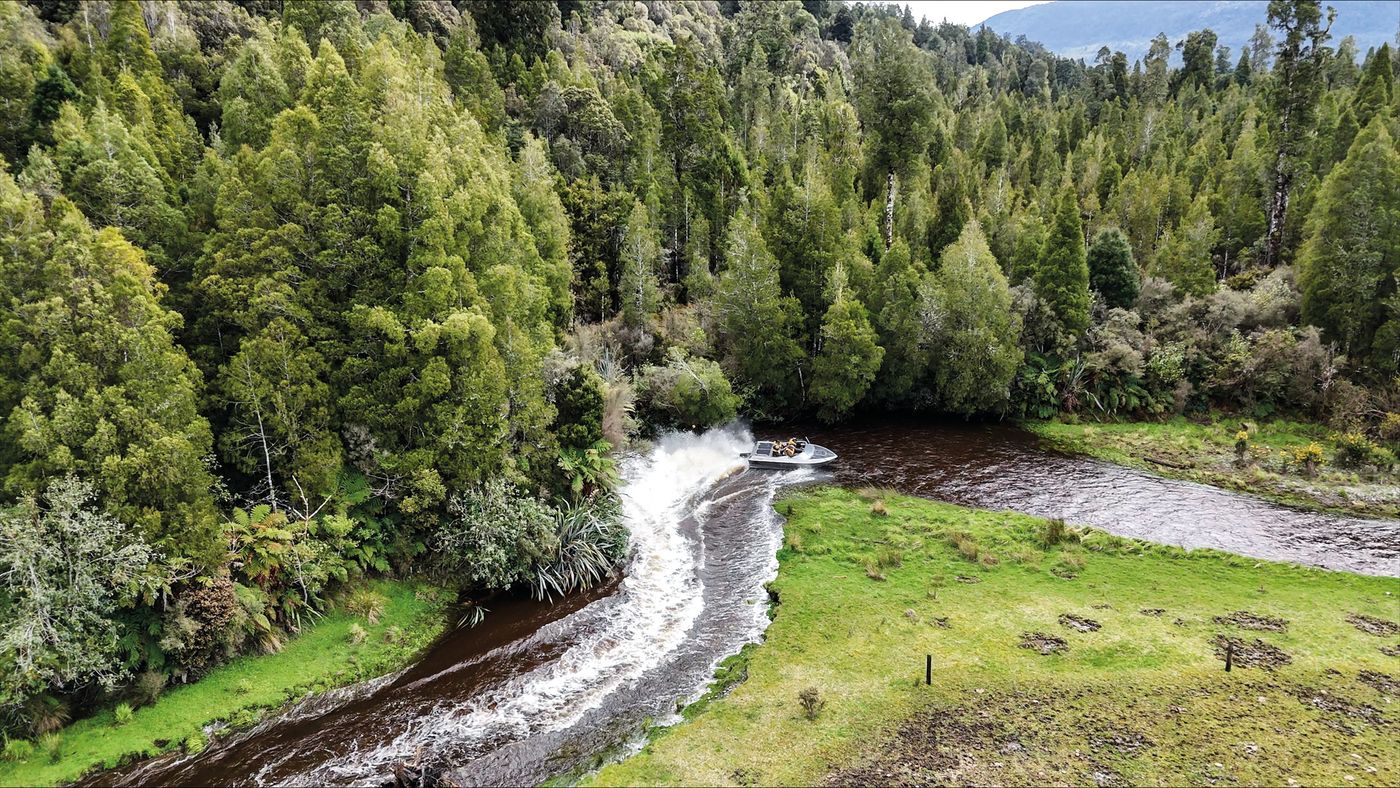
For those set on running rivers later in the month, preparation carries more weight than enthusiasm. The modern New Zealand jet boat, descended directly from Sir William Hamilton's original designs, remains the most practical craft for navigating braided shallows safely. Even so, river sense has to come before the throttle. Keeping the bow into the flow, avoiding anchoring in current, and learning to read seams and eddies before chasing fish into them are skills built slowly and worth every bit of the effort.
The standard pre-trip checklist applies regardless of where you are headed. Licence, regulations, and biosecurity all need attention before departure. The Clean, Check, Dry protocol remains New Zealand's most important line of defence against the spread of didymo and lake weeds. The DOC vehicle permit system for areas including Lake Heron's Harrison's Bight is also now active and bookable online.
Early November has a habit of generating more anticipation than actual opportunity, and there is nothing wrong with that. Snowmelt rivers take the time they need to settle, and the high country is patient. The clarity, the stillness, and the trout will all still be there once the flows come down.