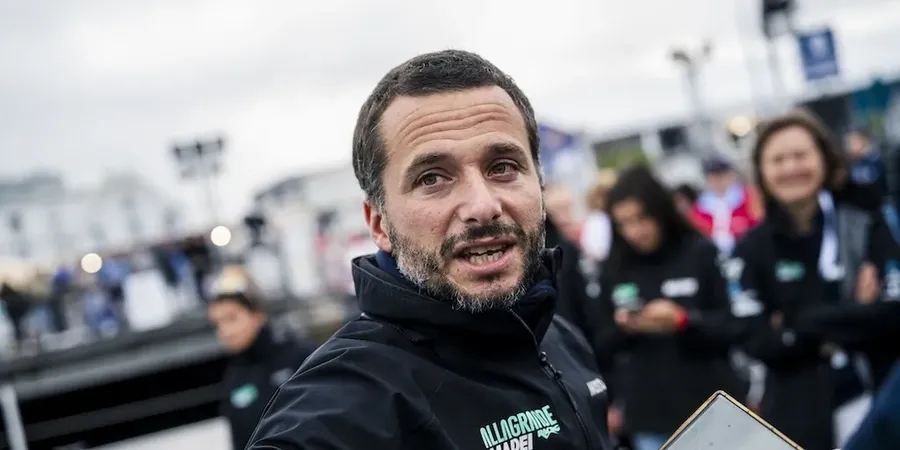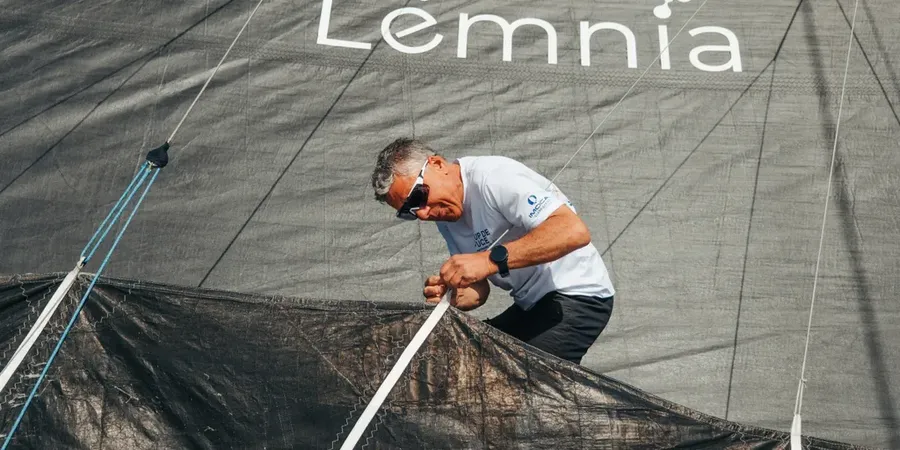
There is a moment in offshore racing when the leaderboard stops being a live competition and becomes a historical record. For Manu Cousin, that moment arrived when Nico d'Estais reached Les Sables d'Olonne the previous evening and Arnaud Boissières followed him across the line in the small hours of the night. The Vendée Arctique podium was sealed. Cousin was still out there, somewhere on the water between the Arctic and home, facing a challenge that had quietly shifted into something different from the race he had started.
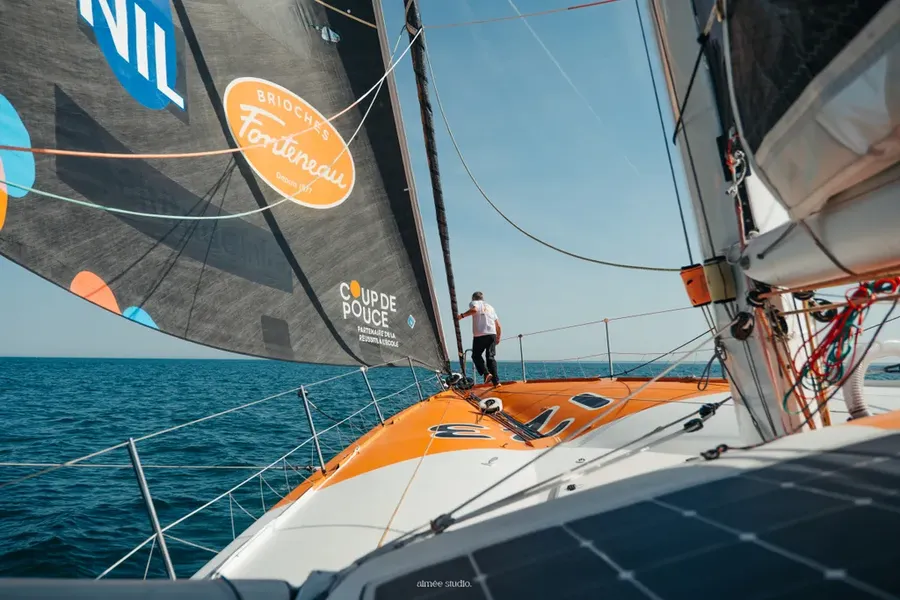
The circumstances that put him in that position were no secret. A late relaunch, combined with a winter refit on Coup de Pouce that had left parts of the boat untested in genuine open-ocean conditions, had given the front runners a lead that was never going to be clawed back. Mechanical difficulties arrived one after another, the distances between Coup de Pouce and the fleet stretched beyond any realistic reckoning, and the finishing order became, as a practical matter, beside the point.
"The competition as it was supposed to unfold is behind me now," Cousin said. "My objective is straightforward: get the boat home as quickly as I can, and in the best possible shape. It's still a race, but one against the clock and against myself."

When rivals are already ashore and the dock is filling with boats that are not yours, the nature of the thing changes. What began as a sporting contest against other sailors becomes something quieter and, in its own way, considerably more demanding: a reckoning between a skipper and himself. Lone offshore sailing requires a very specific kind of mental resilience at the best of times, and carrying thousands of kilometres of ocean while watching the finishers' list lengthen is no small burden. Anyone who has experienced a Vendée Globe will recognise the weight of it. Colleagues come home, the celebrations begin elsewhere, and the gap ceases to be an abstract number and becomes something you can actually feel.
"There's always a little sting when the others arrive," Cousin admitted. "It reminds you exactly where you sit."
What separates sailors in those circumstances is what they choose to do with that sting. Cousin has made a deliberate decision not to let it colour the miles still between Coup de Pouce and port. The ocean ahead is not, in his telling, a punishment to be endured but something closer to an opportunity. Every additional hour at sea is time to press harder, to learn more about how the boat moves and behaves, to come away with a deeper understanding than a straightforward race to the finish might ever have offered. That refusal to merely survive the remaining miles, rather than engage with them fully, says something genuine about what ocean racing demands of the people who take it seriously.