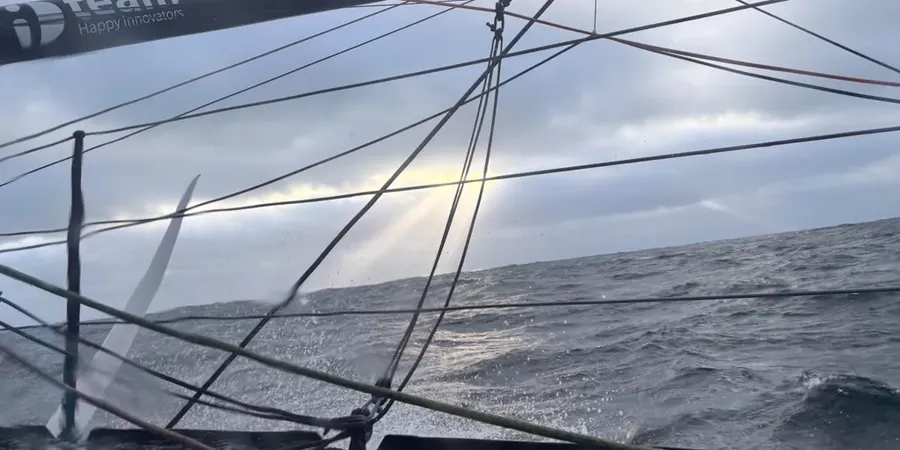
The Vendée Arctique – Les Sables d'Olonne has reached a milestone that three previous editions failed to deliver. For the first time in the race's history, IMOCA yachts have crossed the Arctic Circle, breaching the 66° North threshold that had twice turned the fleet back before this year's edition gave them their chance.
That boundary had grown into a recurring frustration, a line that seemed to retreat whenever the fleet pushed toward it. The experience will be familiar to any mountaineer who has attempted Everest: conditions are the final authority. Boats can be well-prepared, skippers sharp, and routing meticulous, but when the North Atlantic refuses to cooperate, there is no argument to be made against it.
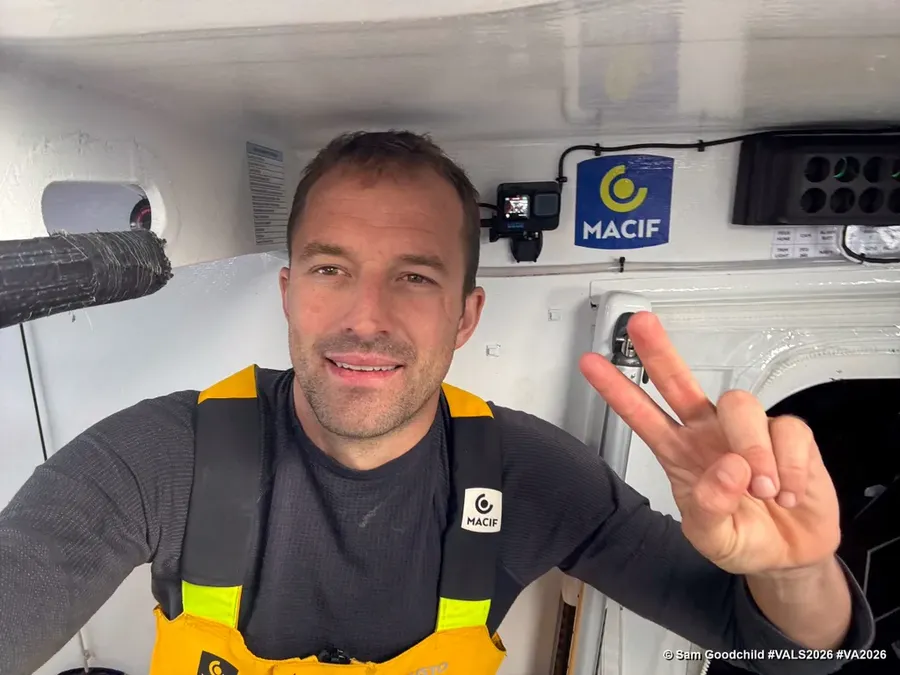
The change that finally made the crossing possible came from a decision taken by race officials before the start. In all three previous editions, competitors had been required to round a single fixed waypoint deep in the far north, funnelling every boat through an identical corridor whatever the weather happened to be doing. Race organisers discarded that approach in favour of something more flexible. Instead of a point to round, they established a line: cross 66° North anywhere along its length and find your own way to get there.
Christian Dumard, the race's meteorological consultant, explained what that shift meant in practice. "It's having a line to cross instead of a single point to round," he said. "That opens up the game enormously. Each skipper can build a trajectory based on the conditions they want to find or avoid."
Written down, the distinction can appear slight. Lived out in Arctic latitudes, it transformed the nature of the problem entirely. Skippers could push west, drive a more direct northward track, or adapt to weather patterns as they developed around them. In a region where meteorology sets the terms and enforces them without mercy, even a modest increase in tactical freedom can be the difference between reaching a milestone and being turned back short of it.
For three editions that invisible line had sat just beyond the fleet's reach, as much a symbol of the race's unfulfilled ambition as a mark of latitude. A redesigned course combined with a cooperative weather pattern finally brought both elements together, and the IMOCA fleet has now written a chapter in the race's history that had been standing unfinished for several years.