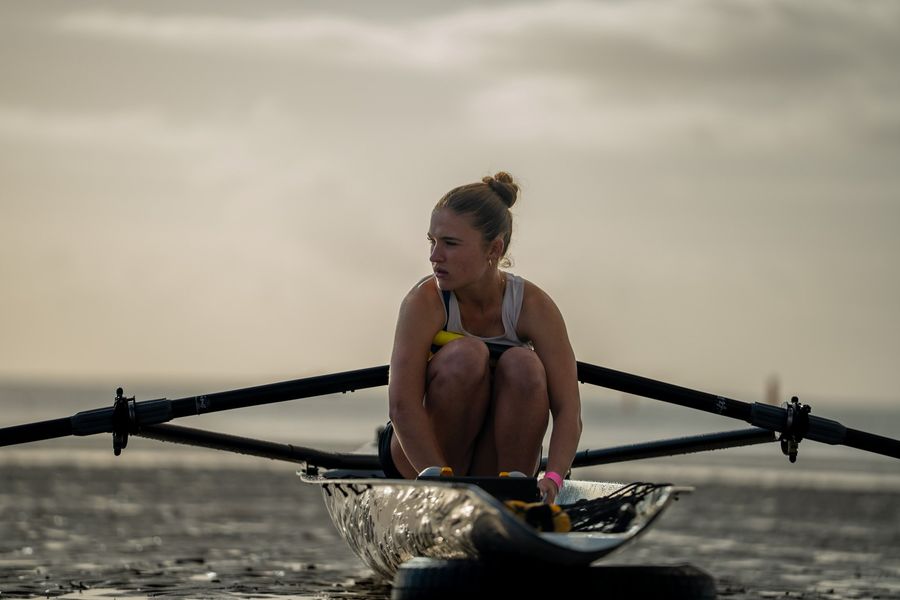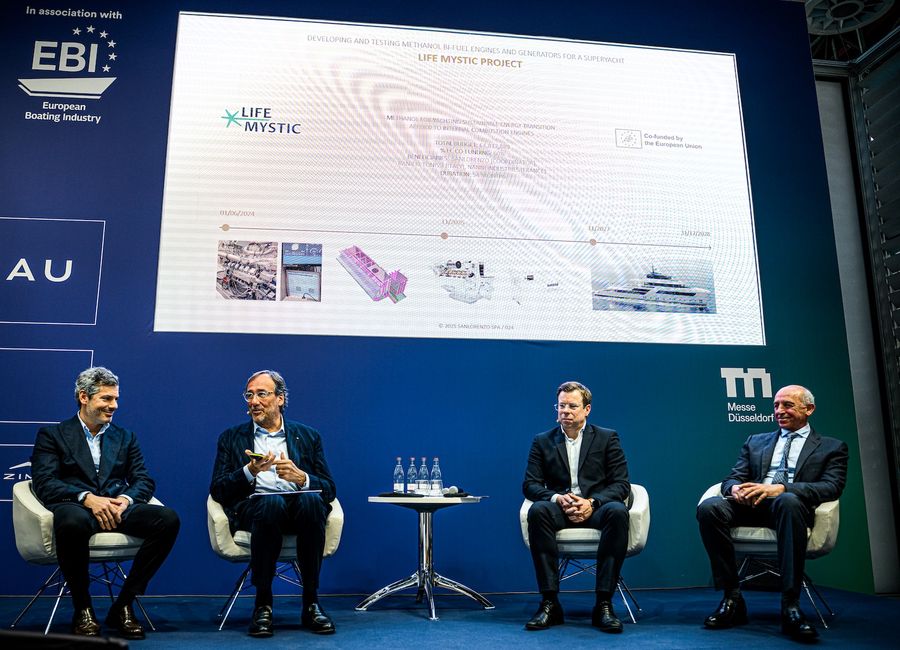
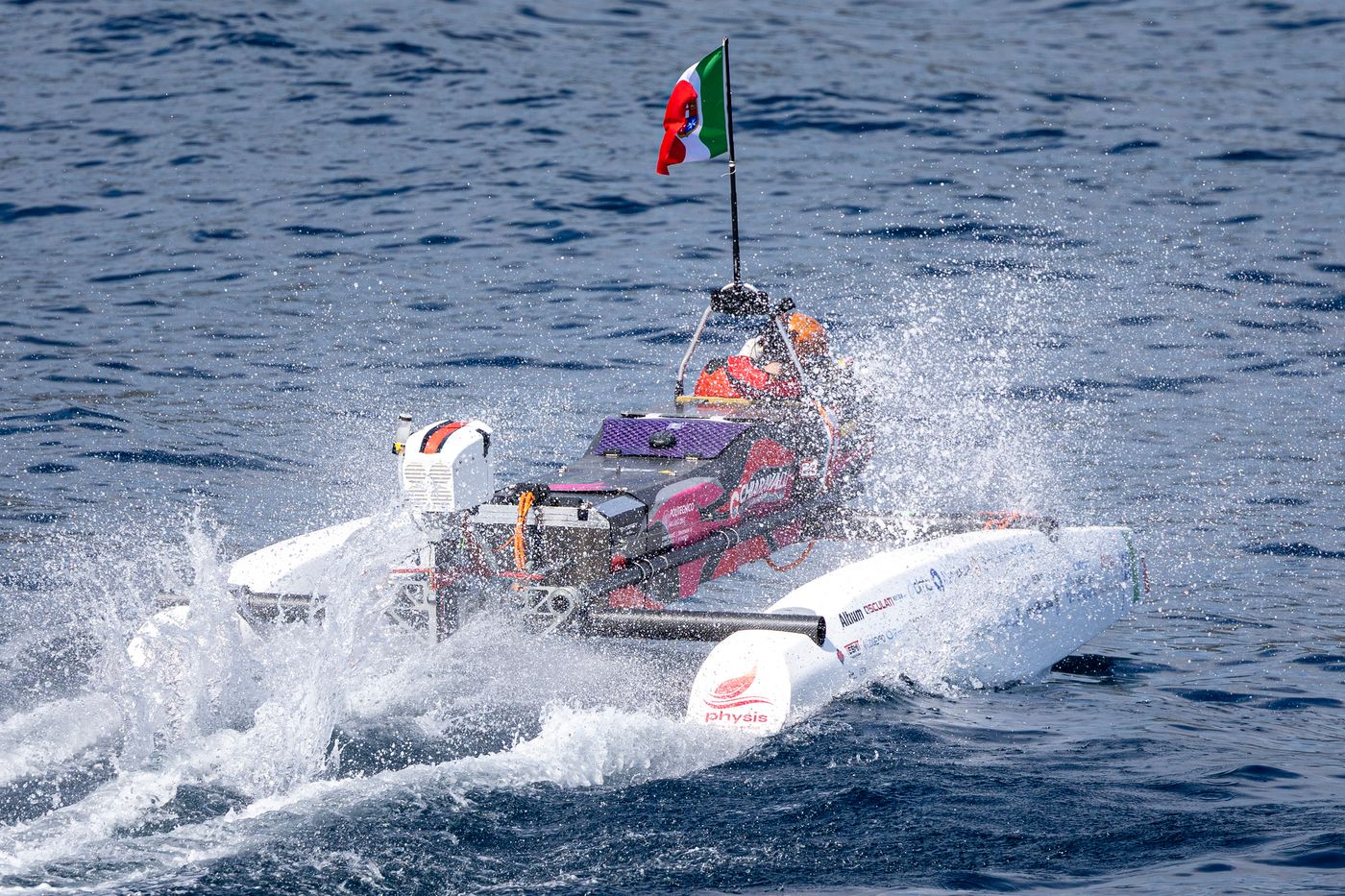
The question of what will power tomorrow's recreational and commercial fleets has no settled answer. Batteries, hydrogen, methanol, AI-assisted navigation, and foiling efficiency are all in active development simultaneously, pushed along by growing regulatory demands and commercial incentives to cut emissions. The Monaco Energy Boat Challenge was created to put these competing ideas under genuine pressure, on real water, where performance either holds up or it doesn't. Now running its 13th edition, the event has grown into the maritime sector's most concentrated technology proving ground.
The Yacht Club de Monaco organises the challenge, backed by the Prince Albert II of Monaco Foundation alongside UBS, BMW, and SBM Offshore. The competition has been running since 2014, and this year's edition has drawn a record 56 registered teams from 22 nationalities. That field includes delegations from the United States and China, as well as ZeroJet from New Zealand. More than 1,000 students and engineers are participating, drawn from 34 universities. Across the entry list, 49 projects are electric, 6 are hydrogen-based, 1 is a methanol prototype, and 10 boats are equipped with foils.
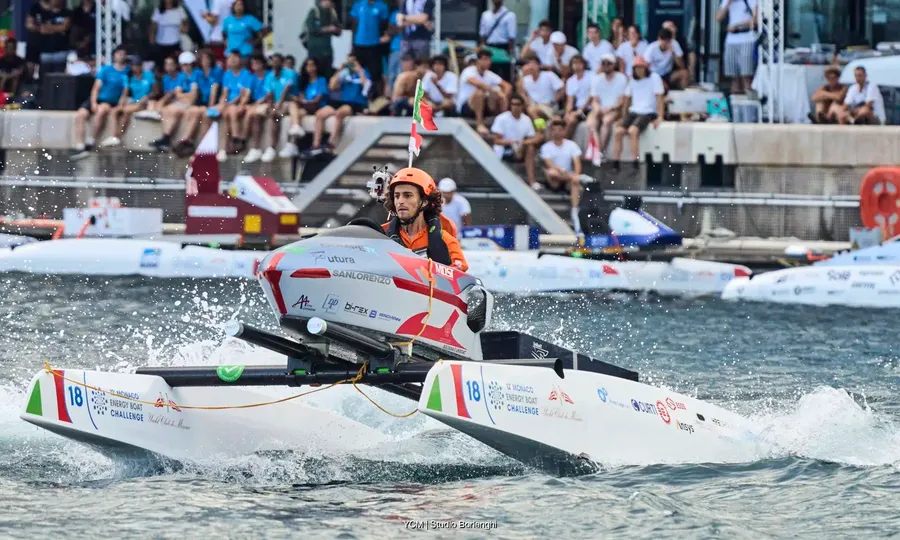
The competition is divided into four distinct classes, each designed to test a different dimension of the development challenge. The largest is the Energy Class, where 26 teams race in identical standardised hulls, a format that strips away hull-design variables and allows propulsion systems to be evaluated on a genuinely level footing. The range of approaches on show is striking, taking in contra-rotating toroidal propellers, hydrogen-solar-foil hybrid systems, bio-based structural materials, and AI-assisted real-time route optimisation.
The AI Class, introduced only in 2024 but already expanding rapidly, hosts 11 teams working on fully autonomous and AI-navigated vessels. Several of these entries use LiDAR, neural networks, and computer vision to operate without any pilot aboard. The SeaLab Class takes a different approach again, giving six teams the widest possible freedom to explore technologies that have not yet reached commercial deployment. Among the standout projects in this class are a methanol fuel cell entry from Dutch team Solar Boat Twente and a liquid hydrogen hydrofoil from Delft. Rounding out the structure is the Open Sea Xperience, which brings together 16 CE-certified zero-emission boats representing technologies that are either already available to buyers or approaching the market quickly.
The event itself reaches well beyond the racing programme. The four-day schedule includes the Advanced Yachting Technology Conference, the 7th Alternative Fuels and Sustainable Yachting Conference, Tech Talks, and a Job Forum aimed at connecting young engineers with employers across the maritime industry.
For New Zealand boaters watching where the industry is heading, the technologies being refined and stress-tested at Monaco are the same ones being developed for showrooms closer to home.