When the Government released its draft plan to reshape local government at 5pm on Tuesday 25 November, boaters and coastal communities had good reason to pay attention. The proposal goes well beyond rates and council boundaries. It reaches into harbours, waterways, marine services, and the way coastal areas are managed day to day. For anyone who spends time on the water, the potential implications are significant.
We have worked through the document to get a sense of what it could mean for the boating community. What follows is our first read.
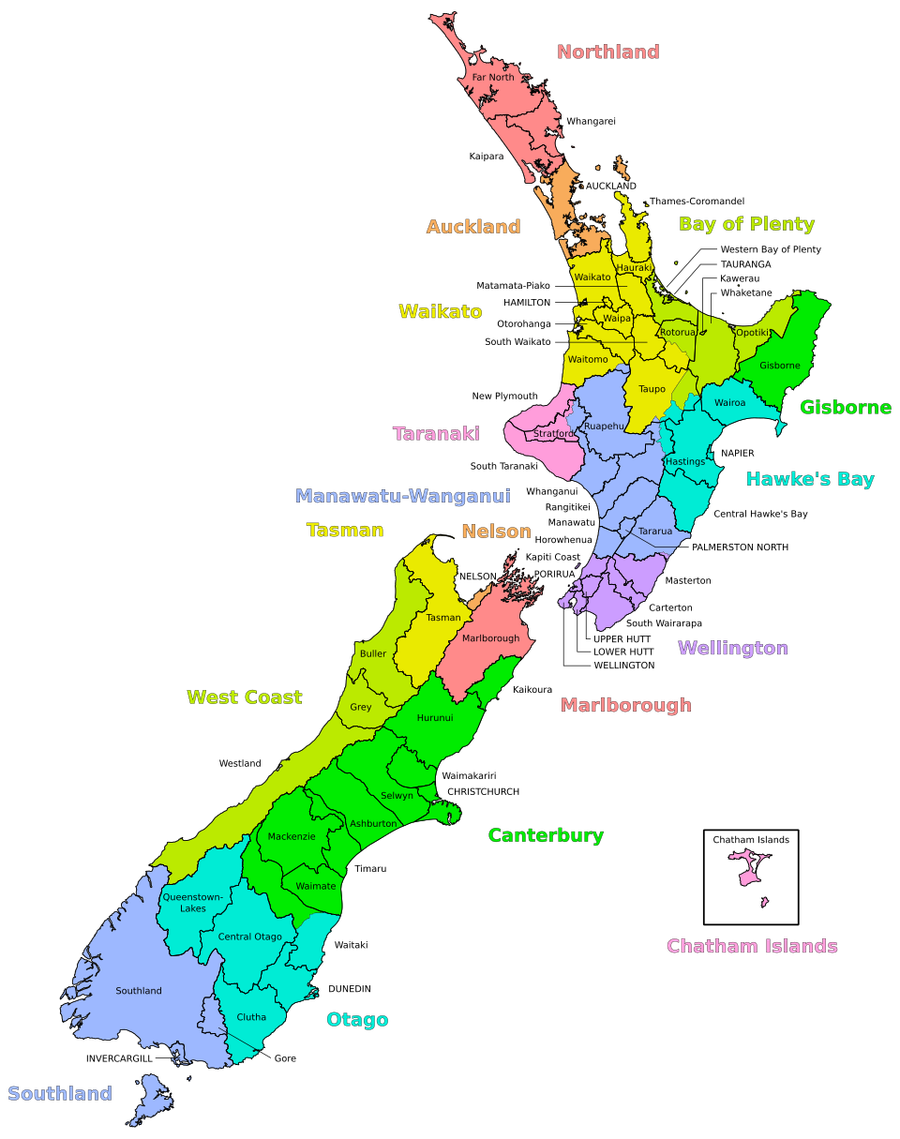
The most substantial change in the proposal is the replacement of regional councils with Combined Territories Boards. Each board would be made up of the mayors from every district or city within the region and would absorb the responsibilities that regional councils currently hold.
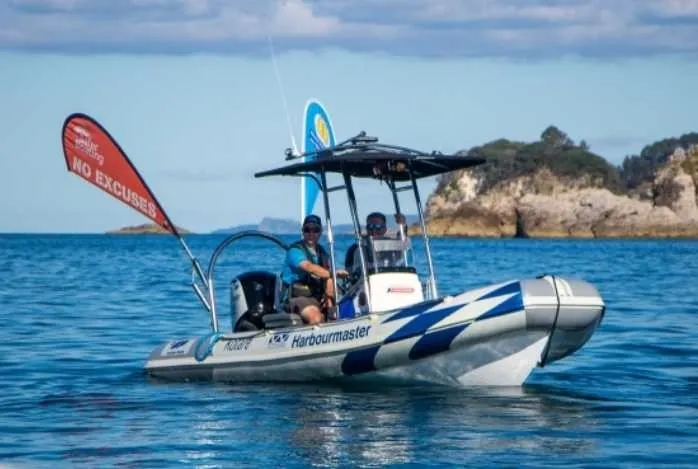
For boaters, those responsibilities are deeply familiar ones. Harbourmaster operations, navigation safety rules, mooring administration, marine incident response, and the coastal consents required for structures such as ramps, pontoons, jetties, and dredging all fall within the scope of what would transfer to the new boards.
Environmental oversight moves across as well. Coastal water quality, sediment and catchment monitoring, estuary health, and coastal hazard assessment would all sit with the new regional body rather than elected regional councillors.
The Government's position is that this model creates clearer lines of accountability. Those with a close interest in coastal management will be watching whether a mayoral board can bring the same on-the-ground understanding that regional councils have traditionally offered.
The proposal sets out a two-step voting test for major planning decisions, including coastal plan updates and changes to navigation bylaws. Any such decision must first be supported by board members representing more than half of the region's population, and a majority of members with planning authority must also agree. The design is intended to stop a single large city from overriding smaller coastal communities, and equally to prevent a small district from blocking decisions that serve the broader region. How reliably this works will come down to the specific makeup of each board.
Core maritime functions remain at the regional level under the proposal. Harbourmasters, compliance officers, navigational safety staff, and incident response teams continue in their roles within the new structure.
The services retained at regional level cover a wide range of day-to-day coastal work, including harbour management, setting and enforcing navigation safety bylaws, administering moorings, managing aids to navigation, responding to marine incidents, assessing coastal hazards and currents, and processing consents for coastal structures.
Each region must also produce a reorganisation plan within two years. Those plans carry the authority to recommend merging or reshaping teams, particularly where districts share a coastline or harbour.
Recent storms and coastal surges have shown how exposed many harbours and shoreline communities can be. Regional emergency management would also shift to the new boards under this proposal, covering storm response, flood planning, coastal evacuation frameworks, and longer-term resilience planning for harbours and marinas. Whether a board of mayors proves more effective at coordinating during major weather events than the current regional council structure is a question coastal groups are likely to scrutinise.
On Treaty arrangements, the proposal is unambiguous. All Treaty settlement arrangements connected to coastal, estuary, river, or lake environments would carry over into the new system without change. Co-governed harbour groups, estuary management bodies, and advisory committees that contribute to coastal planning would continue. The stated intent is continuity, not a reset of existing partnerships.
The reorganisation plans that each region must produce within two years could point toward meaningful changes in how marine services are structured and delivered. Possible outcomes include shared harbourmaster teams operating across neighbouring districts, new coastal hazard and climate adaptation groups, combined navigation safety and compliance units, streamlined coastal consenting processes, and standardised coastal bylaws across communities that share a coastline.
Nothing is settled yet. The proposal must still go through consultation and legislation before anything becomes law. But the direction of travel is clear enough that boaters have reason to take note.
The functions that matter most to the boating community, harbourmaster services and coastal management, remain regional in character. What changes is who sits at the top of the structure, moving from elected regional councillors to a board of mayors. Coastal hazard planning and emergency response will be reorganised as part of that shift, and the next two years will determine how marine services are shaped in each part of the country.
When regional reorganisation plans begin to circulate, anyone with a genuine interest in how New Zealand's coasts and waterways are managed will find it worth following them closely. The rules governing the water are not changing today, but the framework behind those rules is clearly in motion.