Tēvita Moeakiola, a carpenter from Manurewa, drowned in 2022 when his boat capsized near Musick Point during a fishing trip. Two other men, a family member and a friend, managed to swim to shore and survive. Moeakiola did not make it, and his body was later recovered floating close to the shoreline.
A photograph the three men had taken on the boat that day, later shared on social media, showed none of them wearing lifejackets.
A coroner's report released on Monday found that Moeakiola was most likely not wearing a lifejacket at the time, was dressed inadequately for the conditions, and carried no waterproof communication device. Coroner Rachael Schmidt-McCleave concluded that had he been wearing a lifejacket, he may well have been able to reach shore alongside the other two survivors.
The report also found that if the group had notified Coastguard of their plans before heading out, an earlier search could have been launched once they became overdue. The coroner noted that hand-held VHF radios, an Emergency Position Indicating Radio Beacon, or a mobile phone stored in a waterproof container could all have given the men a means of calling for help.
Coroner Schmidt-McCleave adopted Maritime New Zealand's finding that the boat was in a sub-standard condition, with hull repairs carried out in the months before the accident. She said the capsize may not have occurred in the way it did had those repairs been done properly.
"While I am unable to definitively state that, had the above measures been taken, Mr Moeakiola's death could have been prevented, I can say on the balance of probabilities that the chances of Mr Moeakiola drowning in the manner he did would have been reduced had the above measures been complied with," said coroner Schmidt-McCleave.
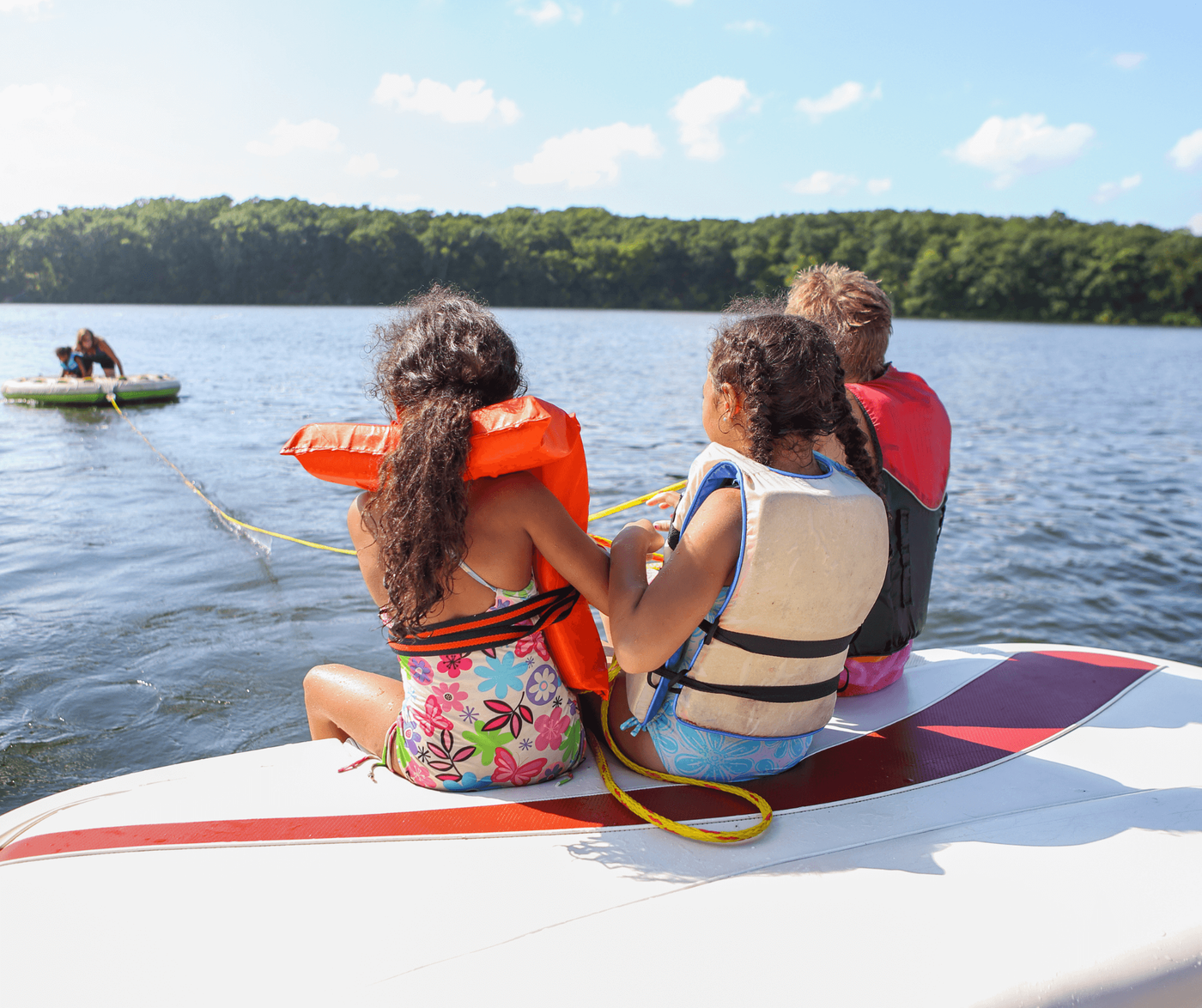
Her recommendations noted that over two-thirds of boating fatalities could potentially have been prevented if those on board had been wearing lifejackets.
Coastguard and Water Safety New Zealand (WSNZ) have both described the tragedy as a serious reminder for anyone heading out on the water.
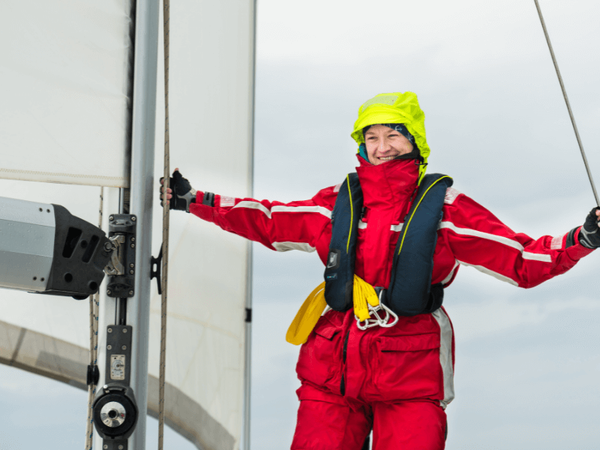
"Too many of our men, often experienced, capable, confident, are still heading out not wearing lifejackets. We are not invincible. The water is not to be underestimated, and the conditions can take hold fast. Mr Moeakiola was a father, a husband, out fishing for kai with friends. But, he didn't make it home," said Rob Hewitt from WSNZ. Hewitt added: "Wearing a lifejacket is the simplest and most effective way to reduce drowning fatalities in New Zealand, it's time to get real about that."
WSNZ data covering the past decade shows that more than 76 percent of people who drowned in boating-related incidents were not wearing lifejackets, with the majority being men fishing from small vessels.
Coastguard CEO Carl McOnie said planning and early communication before a trip are just as important as the gear people wear. Logging a trip report before heading out is one of the most straightforward steps boaties can take. "This is easily done by calling *500 on a mobile phone, through our Coastguard App or using a VHF radio. We encourage all New Zealanders to do this this summer before heading out," he said.
Under the Auckland Navigational Bylaw 2021, wearing a lifejacket is compulsory on any vessel under six metres, unless the person in charge of the vessel gives permission not to wear one.
Correction: This article has been updated to clarify that a skipper can give permission for no lifejackets on some vessels.