Scott Macindoe, President of the New Zealand Sport Fishing Council (NZSFC), says the Waikato Regional Council (WRC) has made a bold move by restricting commercial fishing in Coromandel waters, a step he attributes directly to central government inaction. When the government fails to act, he says, local communities will drive the change themselves.
“Fisheries Minister Shane Jones and the government have refused to do anything to limit destructive fishing practices, so it’s impressive to see a regional council push for greater protections of our marine environment,” says Macindoe.
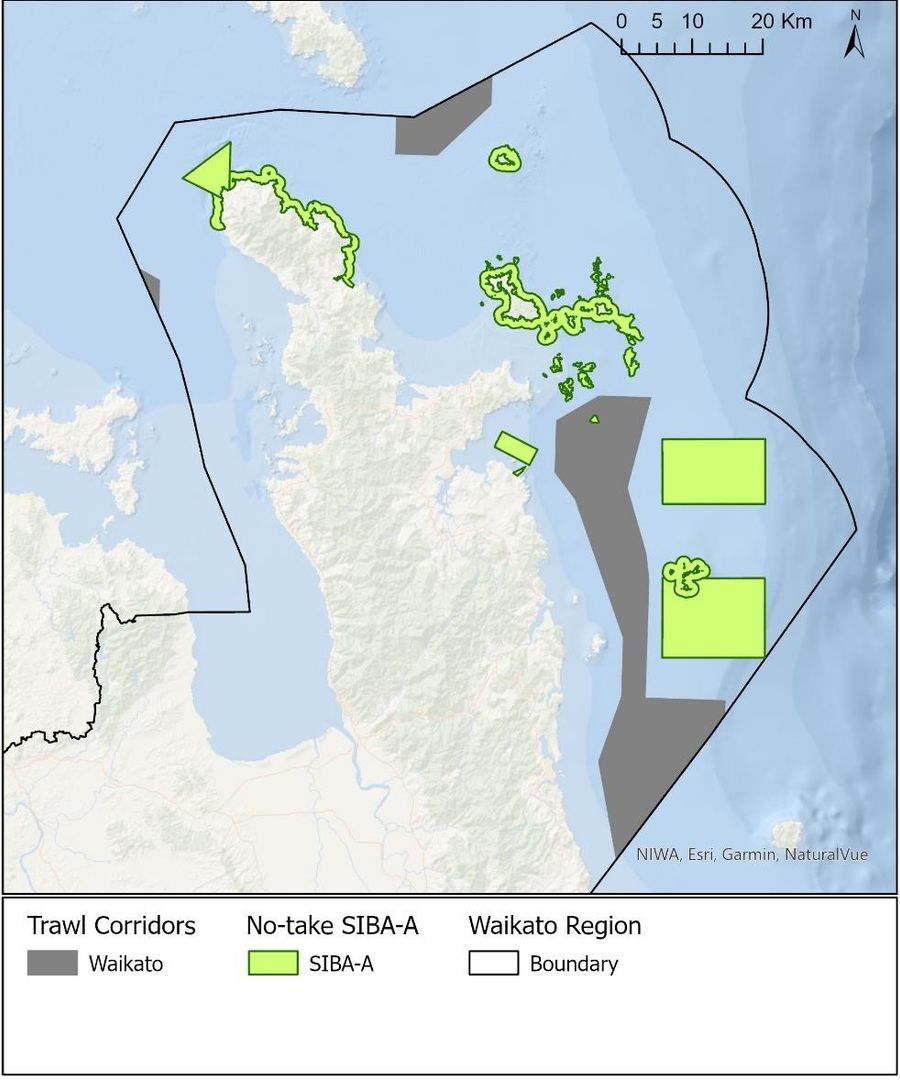
Under the WRC's Coastal Management Plan, mobile bottom contact fishing methods, including bottom trawling, will only be permitted within a limited section of the Coromandel coastline. The plan is currently before Conservation Minister Tama Potaka for consideration and has drawn broad backing from environmental groups, business associations, and recreational fishing interests.
Macindoe says the NZSFC would prefer fishing activity to be regulated under the Fisheries Act. Central government's failure to deliver meaningful restrictions on bottom trawling has, however, left regional councils to shoulder that responsibility, applying the Resource Management Act to protect the marine environment from destructive fishing techniques.
"To address the adverse environmental impacts of these destructive fishing activities requires a significant shift in attitude and change to industry practices, the community is helping to drive this change."
The WRC plan echoes a proposal for designated trawling corridors in the Hauraki Gulf that was shelved by the government earlier this year. In May, Shane Jones, Minister for Oceans and Fisheries, rejected the trawl corridors proposed in 2023. He told Newsroom: "So the Matua [referring to himself] and New Zealand First are just never, ever going to agree to that for as long as we have political light left in our bloodstream."
Forced to act
The WRC's coastal planning process has been under way since 2023. At conferencing in 2024, ecological experts who attended, including the New Zealand Sport Fishing Council, Environmental Defence Society (EDS), and Waikato Regional Council, agreed that the adverse effects of "mobile bottom contact fishing activities and [those] related to fishing down of key predators on reef systems in the Waikato Coastal Management Area are significant".
At that point, Fisheries NZ trawl corridor proposals were still active and a decision from the Minister for Oceans and Fisheries was expected, so the WRC did not push for RMA controls on bottom trawling methods at that time.
“Seems pretty clear, the regional council was compelled to act,” says Macindoe.
Positive local impact
Waikato Regional Councillor Warren Maher points to the closed Coromandel scallop fishery as another example of why urgent change is required.
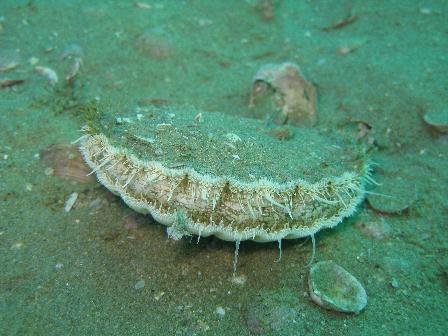
"During the Hauraki Gulf Marine Park Sea Change Spatial Planning process, officials declared that recreational scallop dredging was a destructive fishing technique and therefore needed to be banned, but the larger commercial dredges were not. These techniques are legal under the Quota Management System. The fishery has since closed, therefore, it's vital we change.
"If the scallop fishery reopens, more selective and low-impact techniques such as hand gathering should be used. That is why the Waikato Regional Council released the coastal plan to better protect the marine environment from the damage caused by bottom trawling and scallop dredging," he says.
Gordon McIvor, former President of Mercury Bay Game Fishing Club in the Coromandel, says creating reserves and high protection areas alone does not address the real issue affecting marine environments, which is a lack of fish.
"Forming an oasis in a desert is not a solution. However, the Waikato Regional Councils' decision to ban destructive bottom contact fishing methods is worth celebrating.
"People using destructive seabed-contact fishing methods, particularly box dredging for scallops, have lost their social licence to operate.
"This is a powerful opportunity for the Seafood sector to embrace change and transition to more selective fishing techniques. Just look at the demise of the scallop fishery. It's clear that without a healthy ecosystem and fish in the water, there will be no seafood industry."
McIvor says there will still be significant trawl areas, as designated under the Hauraki Gulf Marine Protection Bill that passed into legislation recently. Protecting the benthic zone where juvenile fish live is, nonetheless, essential to any long-term recovery.
"The better environment we can provide for our juvenile fish, the greater abundance of adult fish."
The Mercury Bay Business Association (MBBA) supports the Waikato Regional Council's balanced approach of banning mass harvesting methods while allowing sustainable practices such as long lining and commercial diving.
“It delivers a massive positive impact for local businesses and creates exciting new opportunities for growth in tourism and other related industries,” says Ken Hindmarsh, MBBA member and former tourism operator.
"These changes will help protect our marine ecosystem and further enhance the region's appeal for both tourists and residents."