A New Zealand-developed multibeam sonar system has sold more than 3,000 units across 40 countries, twenty years after its international debut at SMM Hamburg.
Electronic Navigation Limited (ENL) saw an opportunity around 2000 to bring seabed mapping technology from specialist survey vessels onto commercial fishing boats. Domestic sales began in New Zealand in 2004, before the system's international launch in September 2006.
The challenge was not inventing multibeam sonar, but making it practical and affordable for smaller vessels. Traditional depth sounders examine a narrow section of water beneath the boat. WASSP uses multiple acoustic beams to scan a wide area, processing returns into a three-dimensional representation of seabed and water column. A skipper sees not just depth, but the shape of reefs, pinnacles, channels and bottom contours.
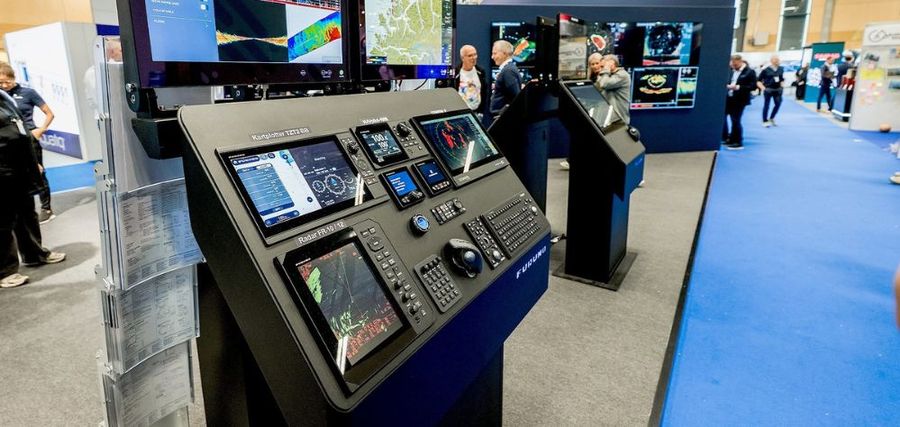
The technology has since expanded into hydrographic survey, research vessels, superyachts and offshore applications. Japanese marine electronics company Furuno became a shareholder in ENL and increased its involvement; WASSP now describes ENL as a Furuno subsidiary, giving the New Zealand technology access to a global distribution network while development and manufacturing remain in Auckland.
WASSP Managing Director Gareth Hodson notes that many of the team who launched the first system remain with the company. "Twenty years is a long time in technology, but the real story isn't the years, it's the people," he says. "They've helped shape every generation of the product, supported customers around the world, and passed that knowledge on to the next generation."
ENL says further announcements are planned for the coming months. Increasing processing power aboard vessels means the system can now handle more sonar data, produce clearer displays and map the seabed with greater precision than earlier generations - continuing an evolution that began with that first commercial launch two decades ago.