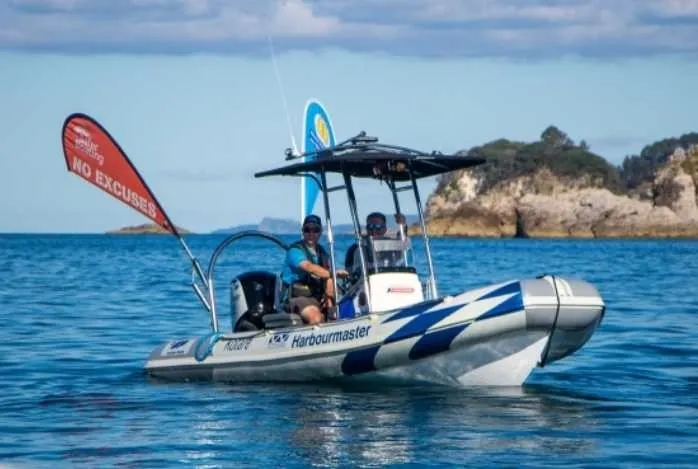
Waikato Regional Council's summer boating patrols carry genuine authority, and anyone heading out on the region's waterways this season should understand exactly what that means.
Operation Neptune runs from Boxing Day through to 11 January. During that window, officers will be stopping boats, checking gear, assessing compliance, and issuing fines where the rules have been ignored. A $200 infringement notice is available to officers who find boaties travelling too fast, skipping life jackets, or breaching regional bylaws, and that authority will be used. The programme is built around education first, but enforcement is woven into it from the start rather than treated as a last resort.
Recreational Harbourmaster Hayden Coburn has described how those interactions typically unfold. Most stops begin as a conversation covering safety equipment, speed zones, towing rules, or life jacket requirements. For the majority of boaties, that is where things end. Where unsafe behaviour is clear, however, officers move directly to enforcement. Responsibility rests with the skipper, and the programme treats it accordingly.
The numbers from last summer give a sense of how active the patrols actually are. Officers logged more than 1,100 interactions with the public, found 261 bylaw breaches, and issued 156 fines alongside warnings and other interventions. Stops are routine, and enforcement follows when the situation calls for it.
To match the demands of the summer season, Waikato Regional Council has grown its Maritime Services team from 12 officers to around 40, drawing on trained staff from across the organisation. That expansion means longer hours on the water and a consistently visible presence across all patrol areas.
Operation Neptune covers the parts of the region where summer boating pressure peaks. Patrols are active at Raglan and Kāwhia on the west coast, across the Coromandel Peninsula, and along extended sections of the Waikato River. River coverage focuses on two main reaches: the stretch between Lake Arapuni and Lake Ōhakuri, and the section running from Lake Karāpiro down to Port Waikato. These waterways draw anglers, wake boats, jet skis, swimmers, and paddle craft, often sharing the same water at the same time.
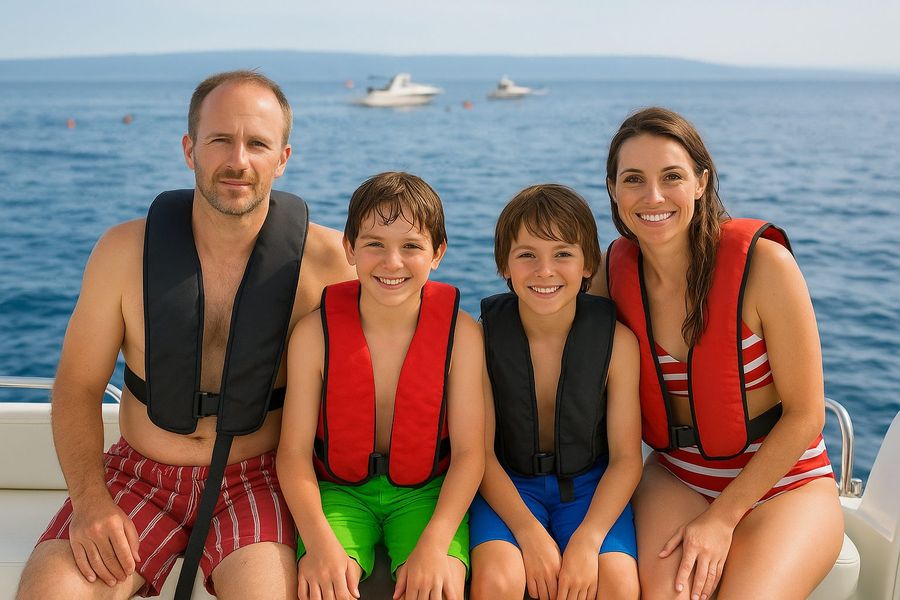
Life jacket rules continue to generate confusion, particularly among visitors to the region. The Waikato requirement is straightforward: anyone aboard a vessel six metres or under must wear a life jacket while the boat is underway. There is no discretion in that rule. On larger vessels, a life jacket must be carried for every person on board, and wearing them becomes compulsory in higher-risk circumstances, including bar crossings and periods of elevated risk. Skippers are expected to judge when those conditions apply. The rules are published through the Waikato Regional Council's website, the MarineMate app, and signage at boat ramps, so there is little excuse for arriving unprepared.
Regional bylaw fines top out at $200, but recent court outcomes illustrate how steeply the consequences can escalate when genuine safety failures occur. One skipper received a $3,000 fine after capsizing on the Raglan Bar and placing his family at serious risk. Another was fined $7,200 and ordered to pay $8,000 in reparations after failing to stop his propeller while swimmers were being recovered at the Alderman Islands. Bars, moving propellers, and people in the water each demand specific care. Getting that wrong can produce consequences that follow a person well past the end of the holiday season.
Officers running Operation Neptune would far rather see every boatie return to the ramp without incident than hand out fines. The expectations are not ambiguous. Know the local rules before launching. Wear the required life jacket. Reduce speed around other water users. Cut the engine when swimmers are nearby. Those habits keep everyone safe, and they keep a $200 infringement notice firmly out of the picture.