The 50th anniversary RORC Round Britain and Ireland Race will see a three-way battle for line honours and IRC corrected-time victory among the fastest monohulls in the fleet.
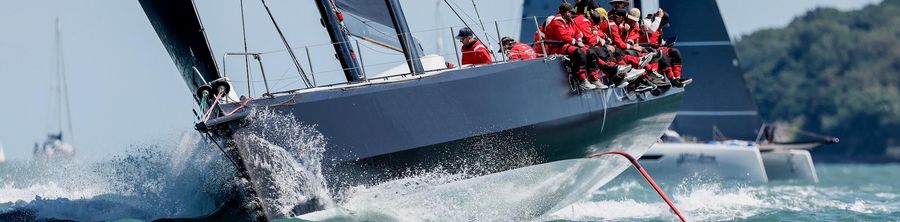
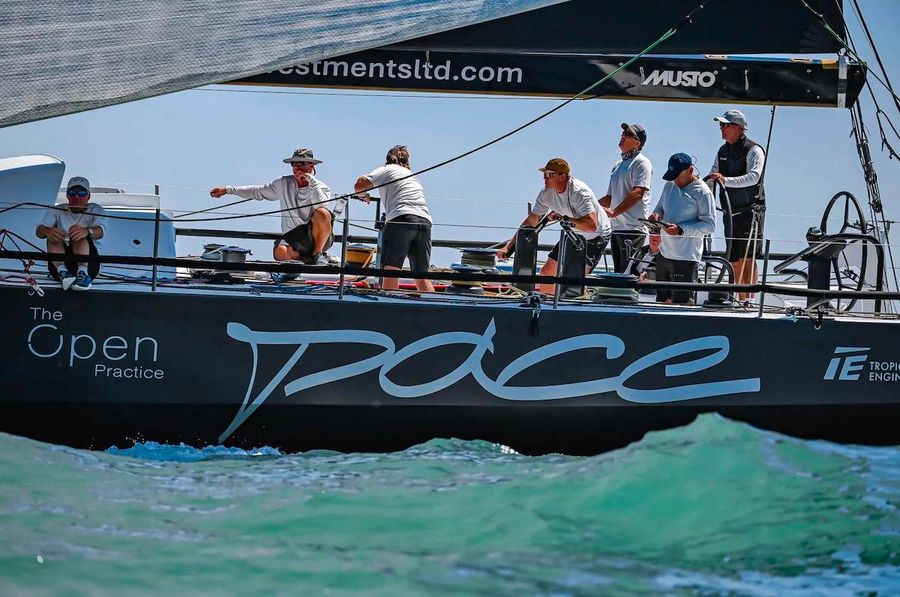
Johnny Vincent's Volvo 70 Pace heads IRC Zero on rating, with Jens Kellinghusen's Ker 56 Varuna VI and Antoine Magre's radical Mach 50 Palanad 4 forming the headline contest. The trio represent sharply different approaches to speed and handicap performance on the 1,805-nautical-mile course.
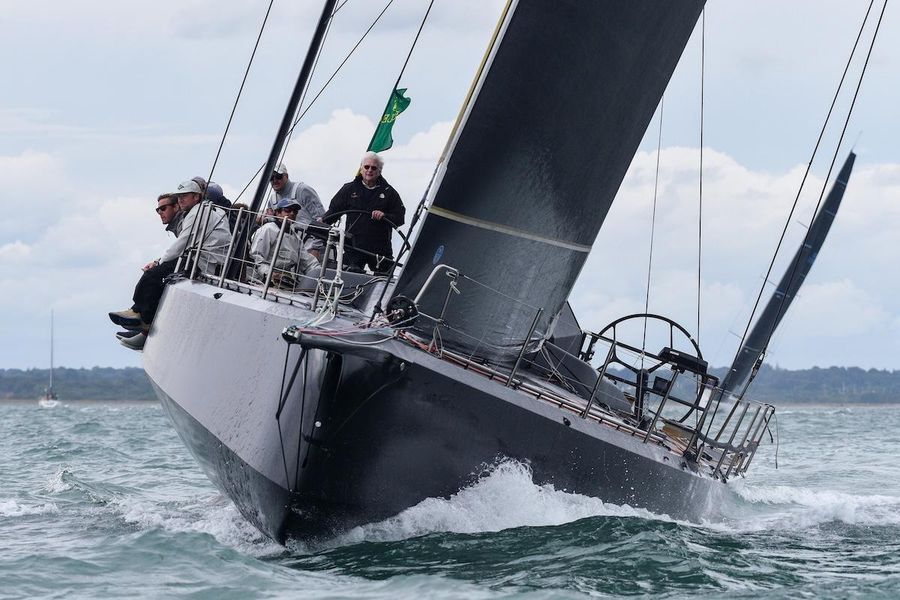
Four-time round-the-world winner Stu Bannatyne makes his debut in the race as watch captain aboard Pace, joined by fellow watch leader Neal McDonald and navigator Jules Salter. "This is my first Round Britain and Ireland Race and it is fantastic to have the opportunity to do it on a boat like Pace," Bannatyne said. "It is a proper offshore race: 1,805 miles and the kind of course that can throw everything at you."
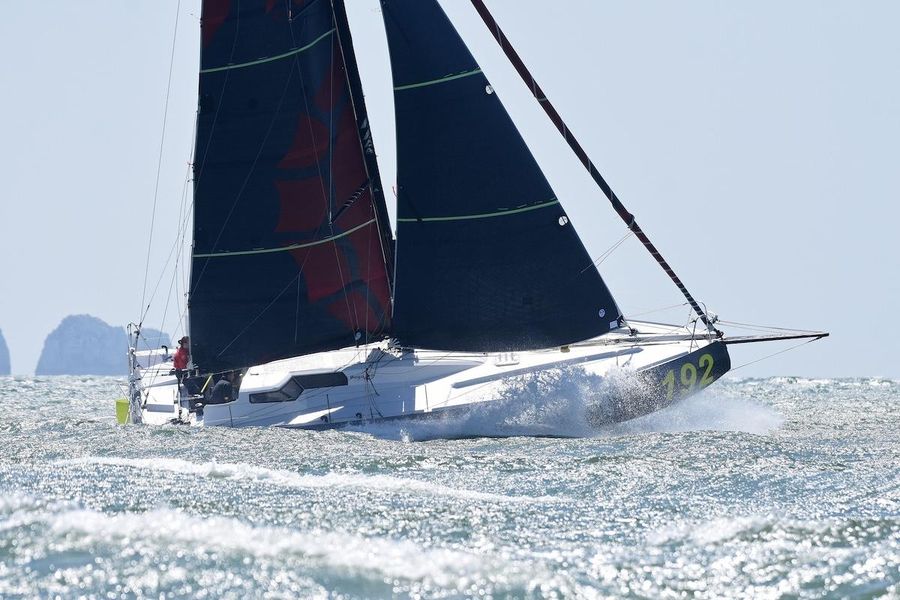
The monohull race record of 4 days, 13 hours, 10 minutes and 28 seconds has stood since Ian Walker's VO65 Abu Dhabi Ocean Racing - Azzam set it in the storm-lashed 2014 edition. Breaking the 12-year-old benchmark will require both boat speed and favourable weather across almost the entire course.
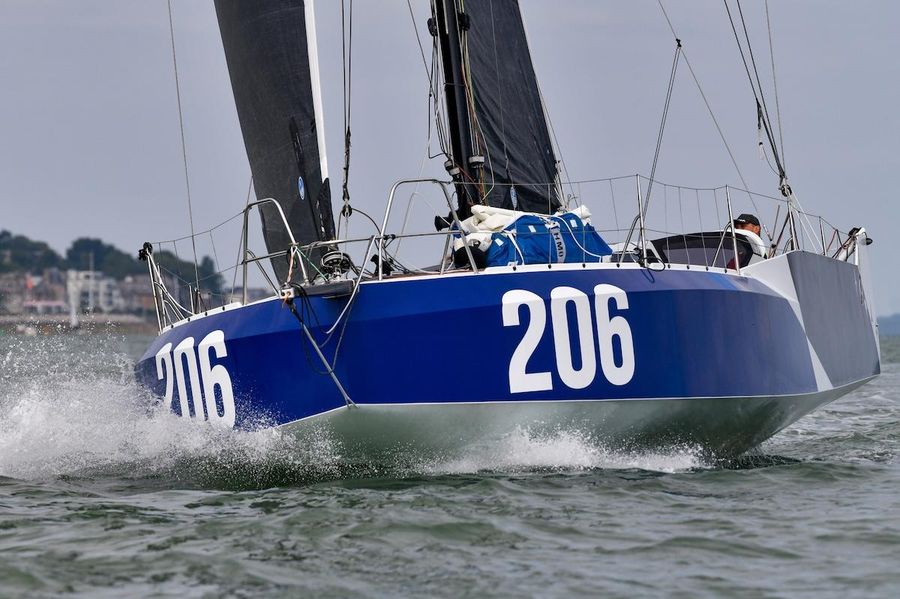
Magre's Palanad 4 brings scow-bow, canting keel and daggerboard technology that has already won the RORC Transatlantic Race overall and IRC Zero in the RORC Caribbean 600. "This is probably one of the hardest races out there," Magre said. "There are sections where we could face very heavy weather upwind and some extremely big seas, particularly along the west of Ireland and on the way towards Muckle Flugga."
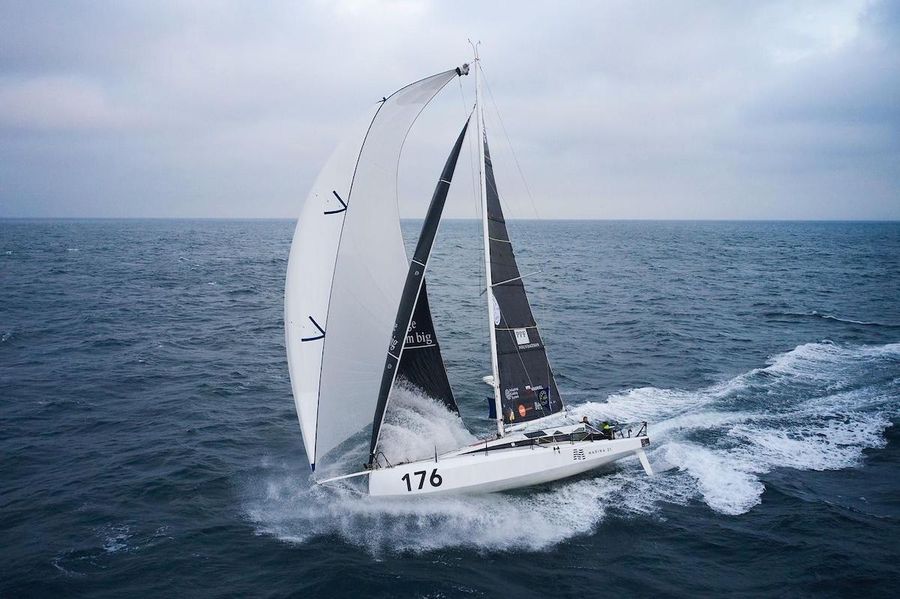
Navigator Mike Broughton, a former Royal Navy helicopter pilot and respected weather router, joins Varuna VI having never completed the northern section of the course. "Once you leave north-west Ireland you are heading into proper blue-water territory, past St Kilda, the Hebrides and up to Muckle Flugga at 61 degrees north," Broughton said. "The final quarter through the North Sea may be especially demanding."
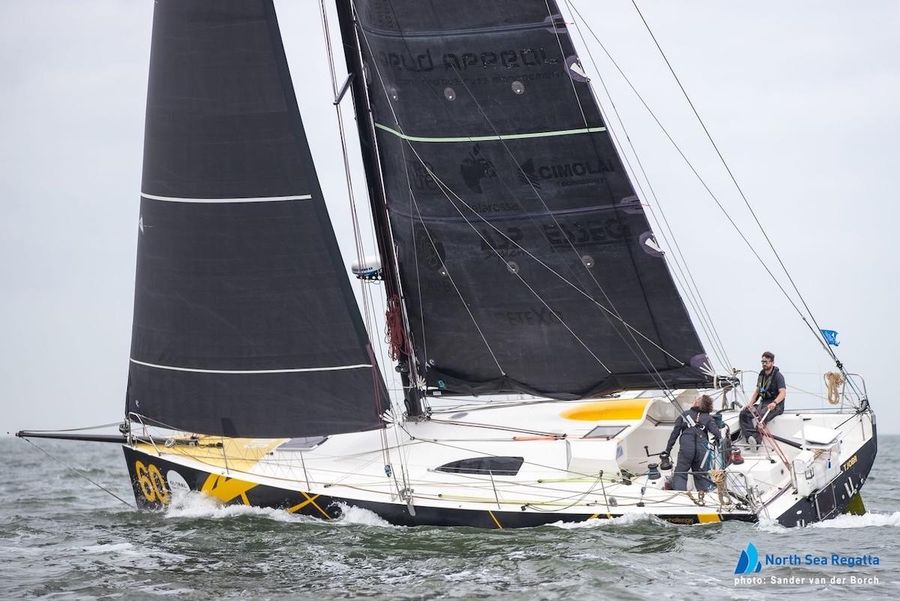
The compact IRC Zero class also includes Valdo Dhoyer and Charles Houal's French-flagged Volvo 60 Challenge Ocean and Graeme Lewis's maxi Venomous, co-skippered by Clipper Race-winning skipper Chris Brooks.
In Class40, the winner is decided by elapsed time alone, with three scow-bow designs favoured to challenge the 8 days, 4 hours, 14 minutes and 49 seconds record set by Phil Sharp's Imerys Clean Energy in 2018. British skipper Jon Tyrrel's Pogo S4 Gambit, American Greg Leonard's Mach 40.6 Swift and French Olympian Pierre Le Boucher's Lift V2 Penfret lead the charge, while Dutch entry Tjoba offers conventional resilience against the brutal course.
The race starts from the Royal Yacht Squadron Line on Sunday 9 August, with 33 boats receiving their warning signal at 13:20 BST.