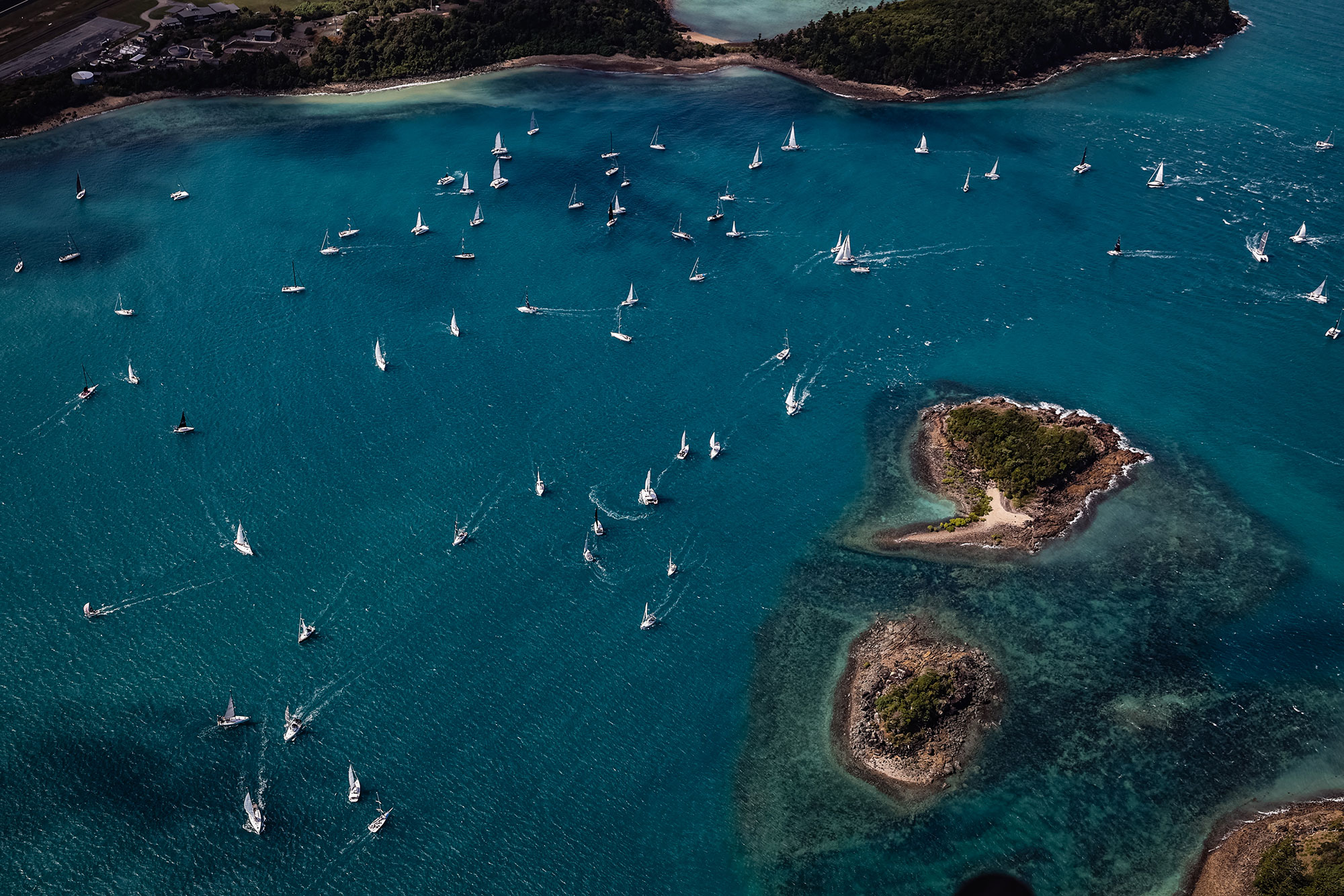
Today has been a lay day at Hamilton Island Race Week, and for plenty of crews it will be very welcome.
For a number of entries, Hamilton Island is the fourth regatta in a back-to-back season, with barely a break between events. Boats that competed at the 2026 Airlie Beach Race Week had just a few days to make the short trip to the start of the Hamilton ("Hamo" as the locals call it) Island Race Week.
The past few weeks have taken their toll across the fleets. Rigs have come down. Boats have been holed. Sails have been blown out. Crews have been working almost as hard between races as they have on the water.
Vixen Racing, however, has so far escaped the carnage.
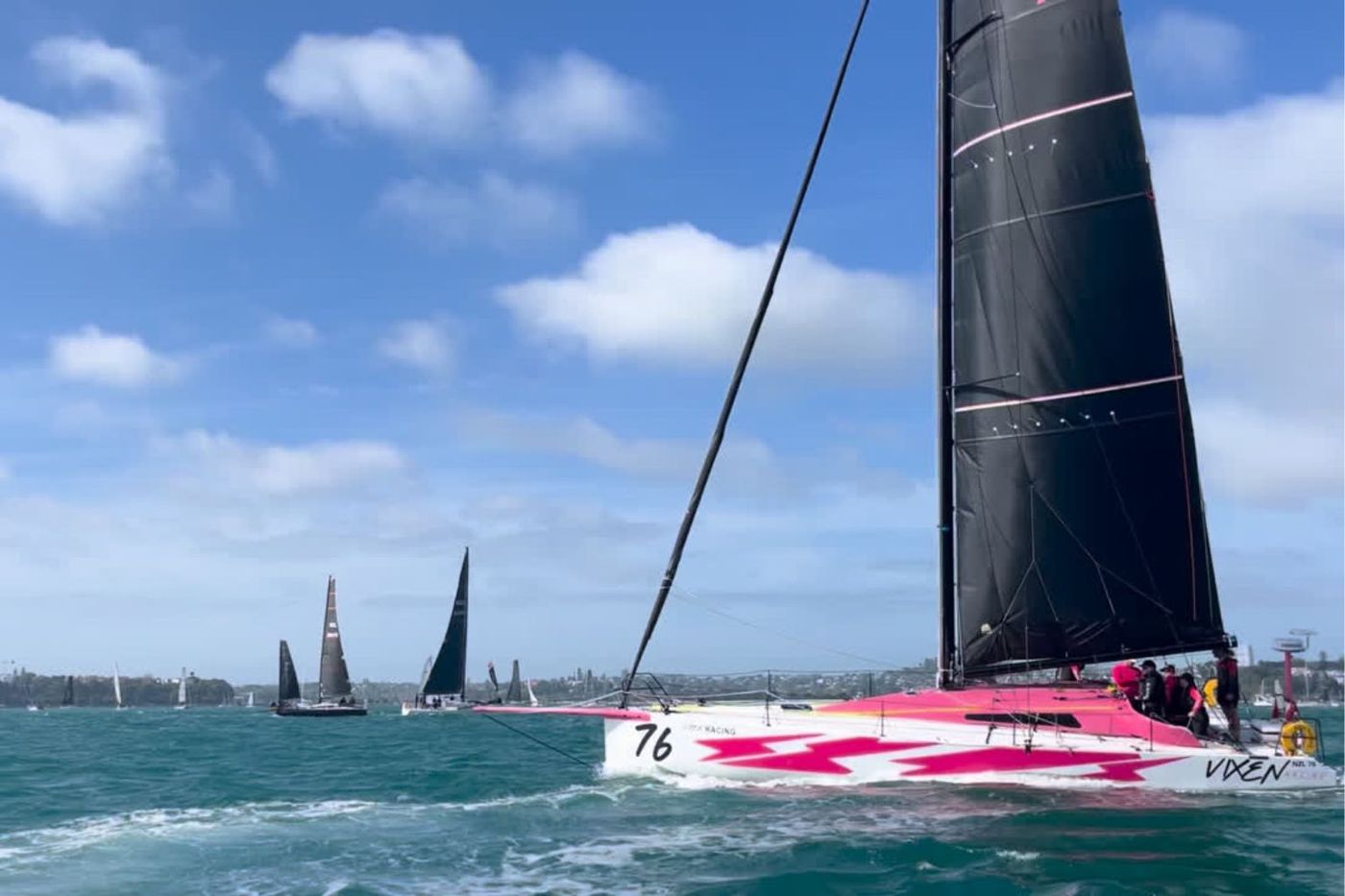
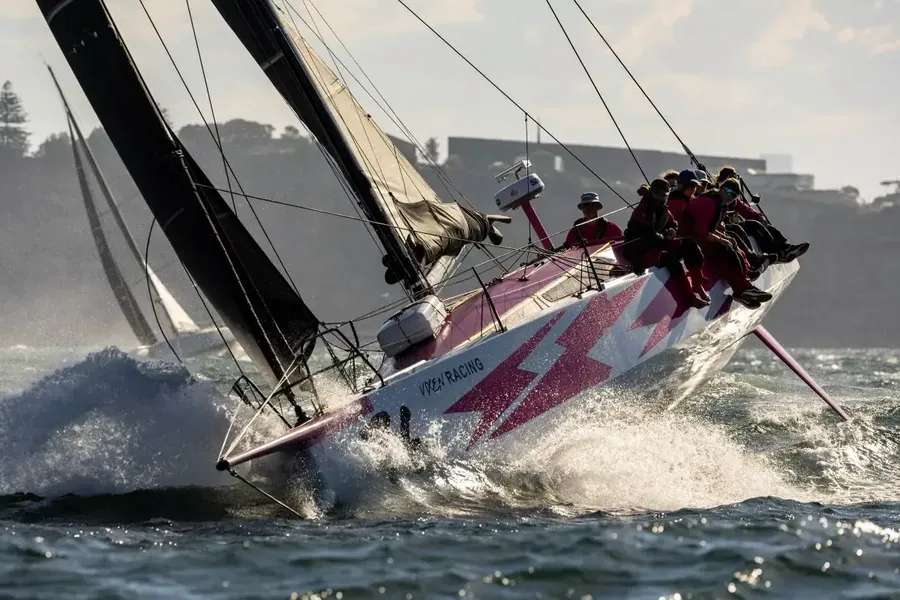
“Touch wood,” says Sharon Ferris-Choat, one of the skippers aboard the Verdier designed Class40 Vixen Racing, when talking about the boat making it through the campaign untouched.
With racing pausing for today's lay day, there will be more than a few crews using the chance to repair boats, patch sails and recharge before Hamilton Island Race Week gets underway again.
It has already been a solid month of sailing for Vixen Racing. First came the Sydney to Gold Coast, followed by the Gold Coast to Mackay, Airlie Beach Race Week and now Hamilton Island. Next week's Magnetic Island Race Week was never on the programme. Although, we understand entries there sold out in just eight minutes.
Instead, once the strong southeasterly breeze eases, Vixen Racing will begin working her way south. The plan is to head via Mackay and Gladstone, to then spend a couple of weeks based around Brisbane or Southport.
From there, attention turns to the CYCA's Blue Water Pointscore series. It will provide the final build up before Ferris-Choat and her crew line up for the Sydney to Hobart.
A little background here. Vixen Racing was set up as an Academy to give sailors the chance to develop their offshore skills, joining Ferris-Choat and her experienced crew to gain valuable miles and experience aboard the Class40.
Two places have now opened for the Australian autumn and summer campaign, with two of the boat's shareholders chosing to spend Christmas with their families rather than race to Hobart this year, leaving Ferris-Choat with berths to fill.
Anyone interested would need to join Vixen Racing for an earlier event first. That would give them the opportunity to sail with the team and log the qualifying miles required for the Sydney to Hobart.
Further details are available through the Vixen Racing website, https://vixenracing.co.nz/.
Where the results are coming from
So far all four regattas have been sailed with Vixen Racing Academy crew aboard. On the Sydney to Gold Coast leg, three sailors who had never been offshore before ended up helming the boat themselves for the final stretch into Southport, an A2 kite up, 22 knots, dead downwind, jibing on VMG.
"That was really, really rewarding, that we'd taken three people who'd never sailed like that before to them being confident enough to drive the boat for that last 15 miles each," Ferris-Choat says.
People are rebooking. They're recommending the academy to their friends. "That's really encouraging and a really good sign that we're providing a safe, encouraging, inspiring platform for people to come and sail with us."
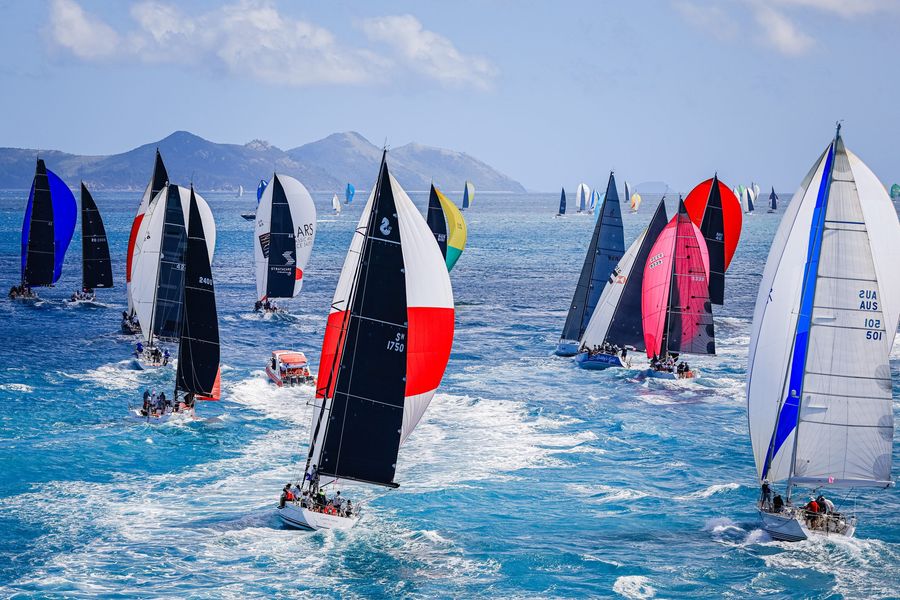
The results on the water back that up. Vixen Racing's IRC rating is, by Ferris-Choat's own account, brutal, a Class 40 built for speed rather than handicap racing. But on the Sydney to Southport leg the boat took line honours among the Class 40s. And at Hamilton Island, a close-fought duel with fellow Solo Trans-Tasman Yacht Challenger Bill Kidman and his wife, Julie, on their Ross 12m Pretty Boy Floyd, matched almost exactly in length, has gone three line honours to Vixen Racing and two handicap wins to the Pretty Boy Floyd.
"It's very, very close racing," Ferris-Choat says. "It's brilliant."
Seven days alone on the Tasman
Ferris-Choat came into this campaign almost straight off a hard-earned solo campaign. In May and June, she sailed Vixen Racing across the Tasman Sea in the 2026 Solo Trans Tasman Yacht Challenge. The seventh woman in the event's 56 year history to start the race and the first to finish in 12 years, this year Ferris-Choat was the first woman to take monohull line honours.
She crossed the line at Southport on 6 June, after a touch over 7 days at sea, the second skipper home overall.
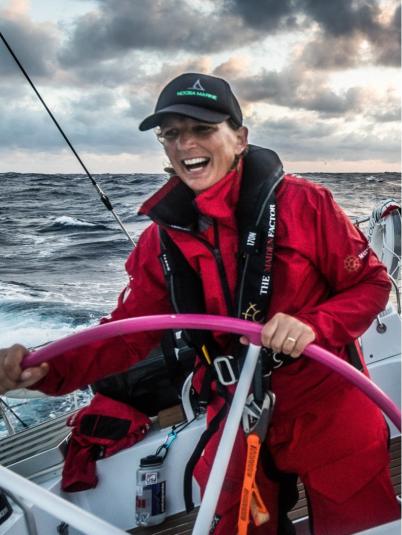
During the Solo Trans-Tasman the conditions were savage even by Tasman standards: 40-knot squalls, thunderstorms, and hail the size of golf balls. Ferris-Choat's final night was so cold, everything around her turned to icicles, she eventually wrapped an emergency blanket around herself inside her clothes.
Before starting the Solo Challenge she had arrived at the start line with more than 124,000 offshore racing miles already behind her, two Olympic campaigns, a Jules Verne Challenge attempt that ended in a Southern Ocean dismasting, and the 2005 ORYX Quest, a round-the-world race she won alongside Karine Fauconnier, the first women to take it out outright.
Read the full story of Sharon Ferris-Choat's Solo Trans-Tasman crossing here.
It's the same experience she's now handing to beginning sailors, three of whom, a few months ago, had never sailed offshore in their lives. Now they're on the helm in 22 knots, driving a Class 40 downwind, and coming back for more.