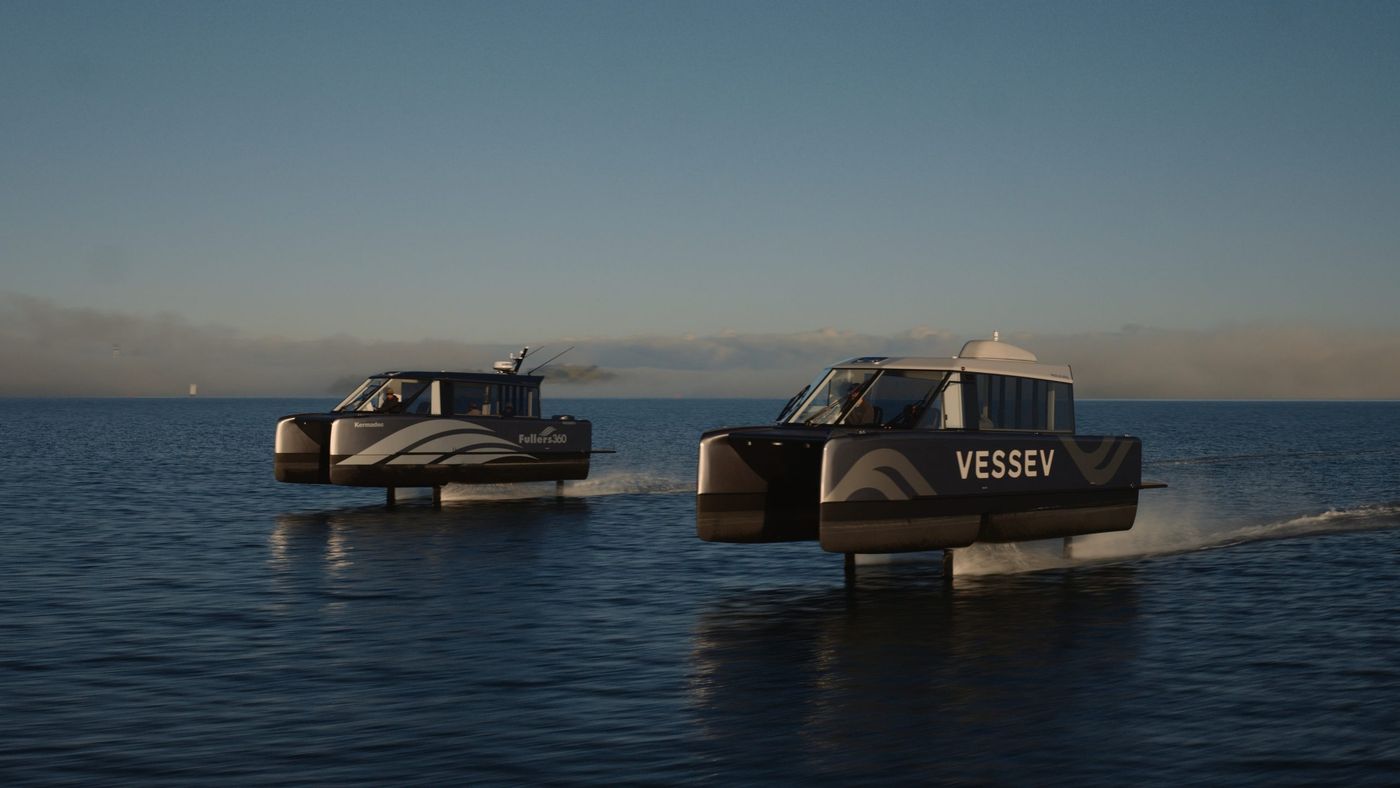
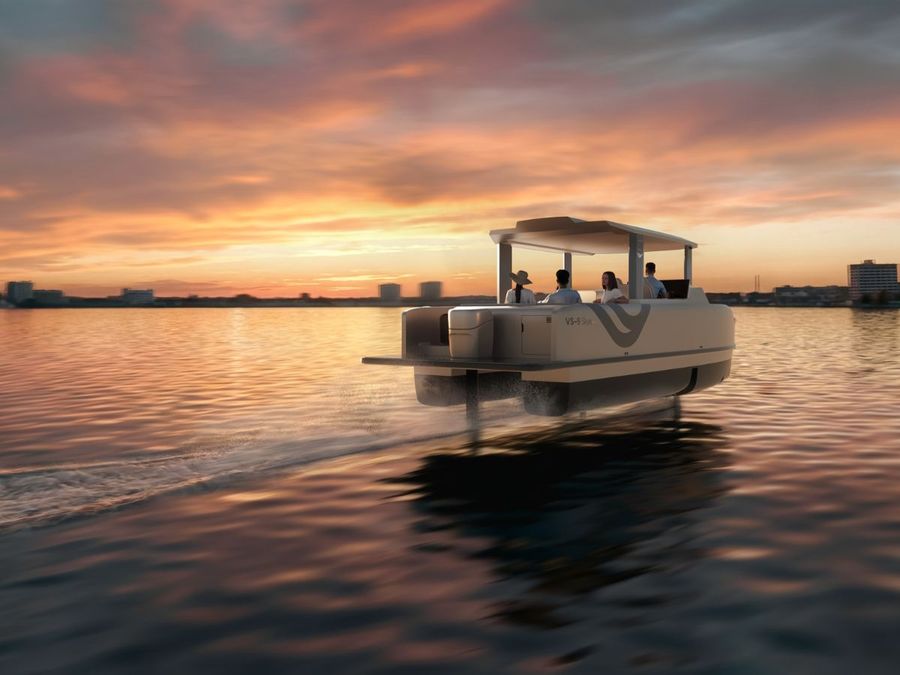
Vessev is expanding its Australian footprint, announcing a partnership with the ENAUTIC Group to operate a fleet of VS-9 electric hydrofoiling vessels on Perth's Swan River. The deal marks a further step westward for the New Zealand manufacturer as it continues building its presence across the Tasman.
The initial focus will be squarely at the premium end of the market. Charters, wine cruises, and evening excursions sit at the heart of the opening offer, catering to passengers willing to pay a premium for something out of the ordinary. Commuter services remain part of the longer-term picture, but the strategy is to establish the vessels commercially first, put people on the water, and work toward higher-frequency transport from that base.
Perth residents will need no introduction to the Swan River and its central place in the city's geography. It has always looked like a natural transport corridor, cutting through the heart of the urban area with considerable reach. The reality has never matched that potential, and the reason comes down to a single stubborn constraint: wake.
Across large stretches of the river, commercial vessels are typically restricted to somewhere between 5 and 8 knots. The limitation has nothing to do with what the boats are capable of and everything to do with the disruption a conventional hull creates at the waterline when travelling faster. That effective speed ceiling has locked traditional vessels out of any meaningful transport role on the river.
Hydrofoiling changes the underlying arithmetic. Once the hull rises clear of the surface, wake diminishes sharply, drag falls away, and noise drops with it. Pair that with electric drive and the result is a vessel that fits within the existing regulatory framework rather than working against it. That space between what the rules allow and what conventional hulls can deliver is precisely where Vessev has positioned the VS-9.
ENAUTIC is not attempting to launch a full-scale transit network from the outset. Josh Portlock, who is leading the project and brings a background in aerospace, is taking a more deliberate approach. He sees hydrofoiling as the element that makes electric vessels genuinely viable at speed, and he regards the tourism-led launch phase as intentional preparation rather than a detour.
“Hydrofoiling is what makes electric water transport genuinely viable. It delivers the speed, range and sustainability you need without compromise.”
"Starting with premium tourism allows people to experience the technology firsthand while laying the groundwork for a future where electric hydrofoiling becomes one of the fastest and most sustainable ways to move around the city."
The logic is sound. Demonstrate that the technology works reliably in a controlled commercial setting first, then build the case for moving commuters at scale.
Perth is the latest city to test this approach, but similar thinking is surfacing in urban waterways elsewhere around the world. Rivers and harbours have long been dismissed as practical transport routes, written off as too slow, too disruptive, or simply unsuitable for conventional hulls operating at any useful speed. Electric hydrofoiling is beginning to dismantle those objections, not comprehensively, but meaningfully in the two areas where they have been most persistent: speed and wake. The technology has taken a long time to catch up with an idea that has existed for considerably longer.
The first VS-9 vessels are scheduled to arrive in Perth in early 2027. Getting to that point will require working through classification, local regulations, and the approval processes that apply when a vessel type sits slightly outside established frameworks. Hydrofoiling craft routinely involve some back and forth at that stage, and this project is unlikely to be any different.
Should everything come together, Perth stands to become a useful test case. The city's river has always had the right geography for water transport and may finally be matched with a vessel suited to the task. For Vessev, it marks another move beyond New Zealand and into a broader market.