A demonstration conducted in the United States earlier this year has put real-world weight behind the promise of vehicle-to-home and vehicle-to-grid technology, and its findings have direct relevance to the future of electric boating.
The concept at the heart of this technology is not especially complicated. Electric vehicles carry large reserves of energy in their battery packs, and bi-directional charging allows that stored power to flow back into a home or out to the wider electricity grid when demand requires it. Instead of functioning purely as consumers of electricity, these vehicles become mobile storage units, capable of giving energy back as readily as they take it in.
The trial was run by Puget Sound Energy and ChargeScape in February 2026, with a clear objective: to prove that energy transfers from electric vehicles into domestic systems could be carried out safely and dependably. The Ford F-150 Lightning and the Kia EV9 were both involved in the testing, and BMW and Honda were among the other significant manufacturers already lending their support to the initiative.
The demonstration found that bi-directional charging can make a meaningful dent in household energy costs and offer a practical backup supply when power outages strike. It also highlighted how important it will be to develop a universal platform capable of uniting different vehicle brands within one coherent energy network.
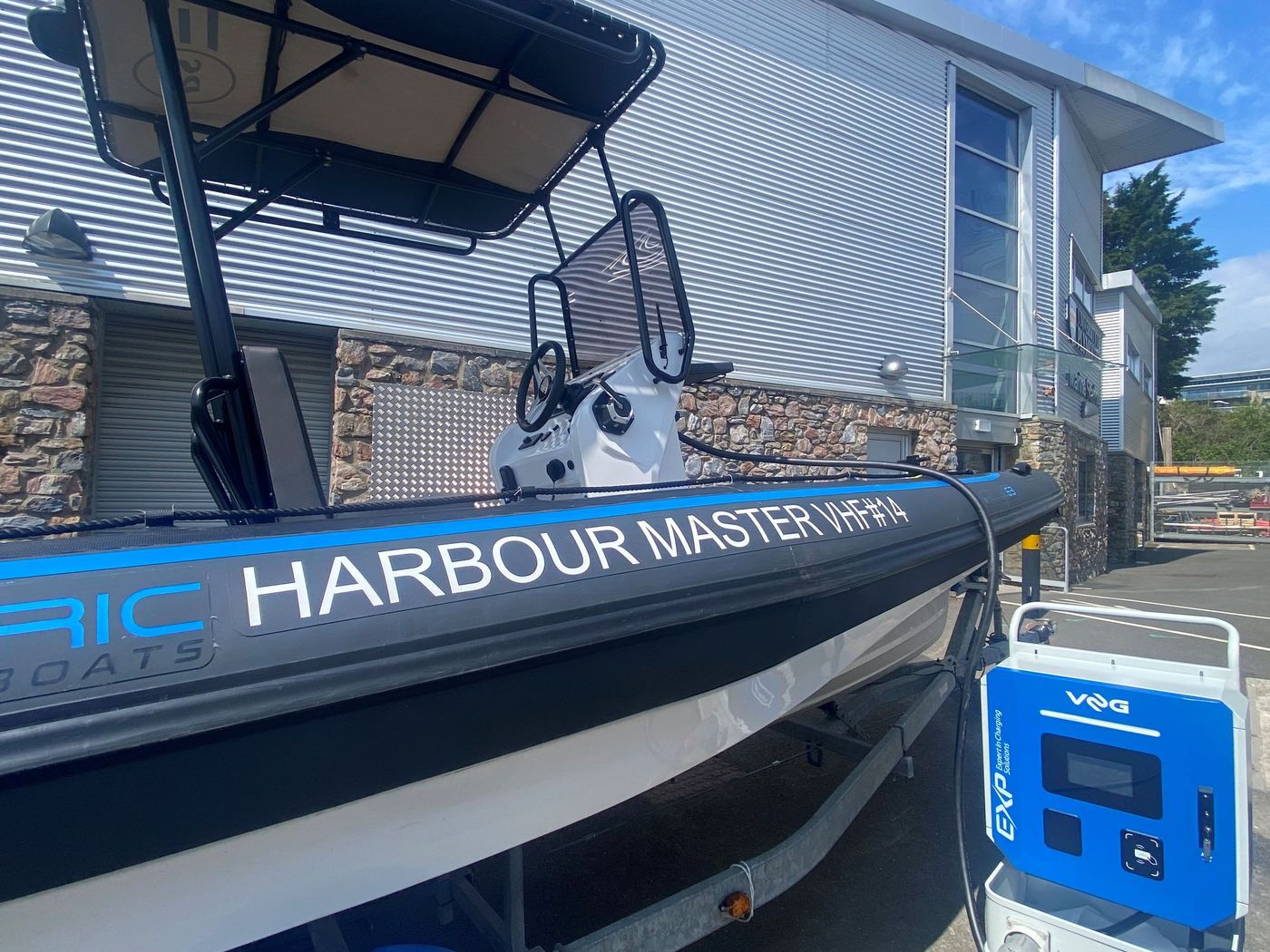
For those with a stake in the marine industry, the implications are hard to ignore. Electric boats already capture and store energy through solar and wind systems fitted onboard while sitting in marina berths, yet much of that surplus power generated during idle periods goes to waste rather than being put to productive use. A vessel-to-grid capability would change that, allowing excess energy to flow back into marina infrastructure or the broader grid and generating both financial returns and environmental benefit in the process.
The transition from automotive to marine applications is not expected to be especially difficult, since electric boats share so much of their underlying technology with electric cars, from battery architecture through to charging standards. Aqua Superpower is among those already exploring this space, working through concepts such as virtual bunkering, which positions boats as floating energy assets operating within a larger networked system.
As bi-directional charging continues to build momentum across the automotive world, it is gradually clearing a path for the marine sector to follow. Boats that currently draw passively from the grid may, within a relatively short timeframe, become active contributors to a smarter and more flexible energy ecosystem.